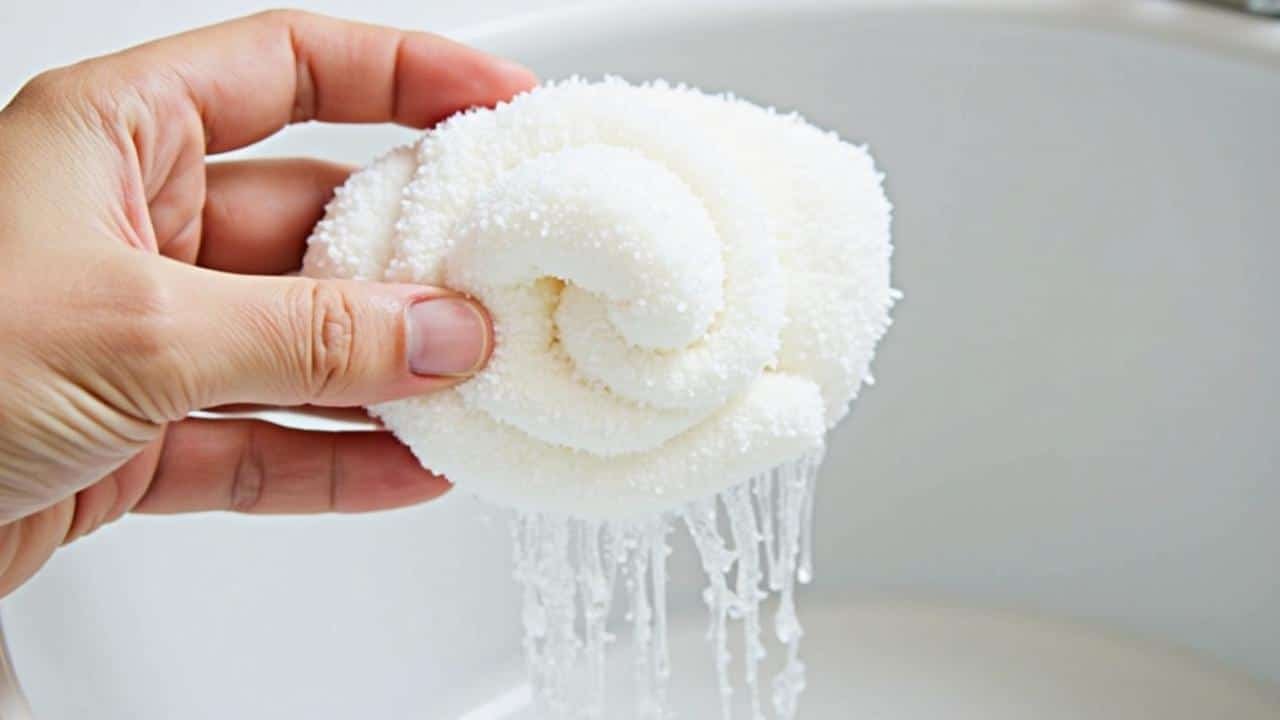
Everyone grew up thinking hot water was the heavy-lifter of clean. Then you wash a favorite tee, the stain sets, and you wonder if the heat just betrayed you.
I lunged for the hot tap, watched steam blossom, and felt oddly triumphant… until the halo wouldn’t budge and the fabric looked tired. A neighbor, a nurse with a sixth sense for stains, shook her head and said, “Cold, not hot.” I rolled my eyes, then tried it—gentle cold rinse, a dab of liquid detergent, a long cool cycle. The stain softened like a sulk, not a fight. The shirt dried bright, the fibers springy, the smell clean instead of perfumey. My brain kept reaching for a reason while my eyes said, There it is. The trick lives where you don’t expect it.
The science twist: why cold can clean better

Most everyday laundry gets cleaner in cold because modern detergents are built for it. Enzymes—the tiny workers that snap apart stains—are most active at room-like temps, and too much heat can slow or even warp them. Hot water also does something subtle and nasty: it “cooks” protein-based messes like blood, sweat, milk, and egg right into the fibers. Cold leaves the door open so detergent can escort the mess out. Hot feels heroic; cold does the work.
Consider the soccer kit with grass knees and a dab of blood from a slide tackle. A cold soak with a tablespoon of detergent for 20 minutes, then a long cool cycle, often lifts both marks and leaves colors saturated. Families who switch to cold for most loads report fewer dingy grays and less fuzz on leggings. Independent tests keep finding the same pattern: heating the water eats most of a washing machine’s energy, while cold cycles cut that waste dramatically and still nail the clean. The surprise is not whether cold works. It’s how often it wins.
Here’s why, in plain terms. Heat swells fibers, pushes dyes to bleed, and melts oily residues deeper where they cling. Cold keeps fibers compact, so surfactants can pry soil off the surface and enzymes can nibble stains at the seams. Many elastics and stretch fabrics also breathe a sigh of relief in cooler water, which helps them snap back instead of sag. And because cold slows dye migration, whites stay white next to reds without the anxiety. **Hot sets, cold lifts.** That’s the physics hiding in your hamper.
How to nail a cold wash that actually works

Start with a quick, cool pre-rinse on any fresh spill. Dab—not rub—a drop of liquid detergent on the spot, tap with your finger, wait five minutes. For the load, use a quality enzyme detergent, pick a “normal” or “heavy-duty” cycle, and choose cold with an extra rinse. If your machine offers a longer wash time at cold, take it; time is the new temperature. For mud, grass, blood, or dairy, a 20–30 minute cold soak before the cycle is your quiet superpower.
Don’t overload. Clothes need room to roll so the detergent can wiggle between threads. Go easy on detergent too; too much leaves a film that traps odor. If you battle smells, add more time, not more soap. Greasy stains like salad dressing? Massage a pea of dish soap into the spot first, then cold-wash the whole garment. And breathe—We’ve all had that moment when a favorite piece looks doomed. Small steps, not drama, usually fix it. Let’s be honest: nobody really does this every day.
When in doubt, trust this little mantra.
“Cold plus time beats hot plus hope.”

Keep this mini playbook near your machine:
- Protein stains (blood, sweat, milk, egg): rinse and soak in cold, then wash cold.
- Color care: wash brights and darks in cold to stop fade and bleed.
- Odor control: use a longer cycle, not hotter water.
- Grease: pre-treat with a drop of dish soap, then cold cycle.
- Sanitizing needs (illness, diapers): use oxygen bleach or a sanitize cycle on separate loads.
Rethink what “clean” feels like
Clean isn’t scorch-and-scream white; it’s fibers that spring back, colors that hold, and clothes that smell like nothing. Cold water tends to deliver that calm kind of clean, quietly. It preserves elastics, slows fading, and avoids baking in sweat or deodorant residue. It also trims your energy use in a way you can feel on the bill and in the air you breathe. If you’ve trusted heat out of habit, try an experiment this week: pick three tricky items and run them cold with a longer cycle. Share what shifts. The story your laundry tells might change enough that the old rules feel quaint.
| Point clé | Détail | Intérêt pour le lecteur |
|---|---|---|
| Enzymes love cold | Many detergent enzymes peak around room temperature and falter when overheated | Better stain breakdown without fabric stress |
| Heat sets proteins | Hot water “cooks” blood, milk, and sweat into fibers | Cold keeps stains liftable instead of permanent |
| Time beats temperature | Longer cold cycles match or beat hot short cycles | Cleaner results with less fading, shrinking, and odor lock-in |
FAQ :
- Does cold water actually kill germs?Soap, friction, and rinse action remove most microbes; temperature matters less. For sanitizing after illness, use a sanitize cycle, oxygen bleach, or a hot wash on a separate load.
- Will cold work on greasy food stains?Yes—pre-treat the spot with a drop of dish soap, wait five minutes, then wash cold. If residue lingers, repeat the pre-treat rather than turning up the heat.
- Which detergent is best for cold washing?Choose an enzyme-rich liquid labeled for cold or “deep clean” at low temps. Powders can clump in cold unless fully dissolved first.
- Will my clothes smell if I switch to cold?Smells come from overloading, too little time, or too much detergent. Give the load space, pick a longer cycle, and add an extra rinse for gym gear.
- Are there times to avoid cold?Use warm/hot for oils soaked through heavy cottons, cloth diapers, or sanitizing towels. When in doubt, add oxygen bleach to a cold wash instead of cranking the temperature.