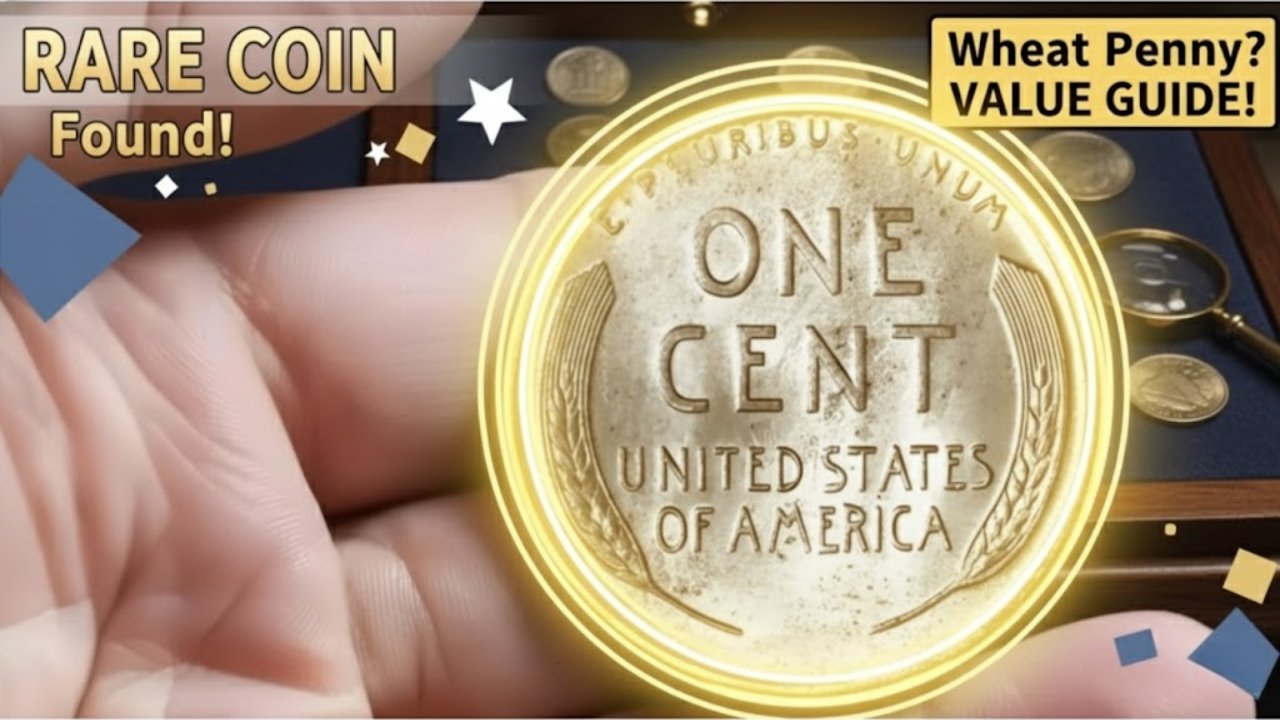
Wheat pennies minted between 1915 and 1955 represent one of the most actively collected segments of U.S. coinage history. Known for their iconic reverse detailing with wheat stalks, these coins are sought after for rarity, historical significance, mint errors, and high-grade conditions. Whether you’re a seasoned numismatist or a new collector, understanding values across this four-decade span is essential for smart purchasing and selling.
Key Value Influencers
Several factors determine how much a Wheat Penny is worth:
- Rarity and total mintage
- Mint mark location and production numbers
- Condition and grading (G4 to MS67)
- Presence of minting errors or varieties
- Metal composition and historical demand
- Collector market trends and auction history
- Luster, strike sharpness, and premium coloration
Price Chart: 1915–1930 Wheat Pennies

Early-date Wheat pennies often carry higher values due to lower surviving quantities and stronger collector competition.
- 1915–1917: Common in lower grades; high-grade examples command premiums
- 1917 Doubled Die: One of the most valuable error varieties of the era
- 1918–1920: Readily available, mid-tier pricing based on condition
- 1922 No D Mint Mark: One of the rarest and most expensive Wheat pennies
- 1925–1927: Modest in circulated grade, strong MS-grade pricing
- 1928–1930: Higher production years, more affordable for beginners
These years offer many hidden gems for collectors focused on early zinc-bronze Lincoln issues.
Price Chart: 1931–1943 Wheat Pennies
Important coin notes:
- 1931-S: Extremely low mintage, highly valuable across all grades
- 1934–1939: Generally common, with a few high-grade exceptions
- 1941–1942: Abundant circulation examples; MS coins bring stronger returns
- 1943 Steel Pennies: Produced due to copper shortage during WWII
- 1943 Copper Penny: One of the most valuable U.S. coins ever recorded
Price Chart: 1944–1955 Wheat Pennies
- 1944 Copper Return: Most common period cent, widely available
- 1946–1948: Strong mint output, values depend heavily on grade
- 1949–1952: High availability, good for beginner collections
- 1953–1955: End of Wheat era leading into Memorial cents
- Double die and repunched mint mark varieties appear frequently

Later dates supply excellent entry-level investment opportunities.
Mint Marks and Grading Impact
- No Mint Mark: Philadelphia
- D: Denver
- S: San Francisco
- Good (G4–G6): Heavy wear, readable details
- Fine (F12–F15): Improved visibility with moderate wear
- Extremely Fine (EF40–EF45): Sharper definition and clean lettering
- Mint State (MS60–MS67+): Full detail, original luster, auction-level pricing
Higher grade = exponentially higher value in nearly every issue.
Most Valuable Wheat Pennies (1915–1955)
- 1922 No D
- 1917 Doubled Die Obverse
- 1931-S (low mintage key)
- 1943 Copper Penny
- 1955 Doubled Die
Even circulated examples of certain years can achieve impressive figures at auction.
Rarer Errors and Varieties to Look For
- Doubled dies (visible lettering distortion)
- Off-center strikes
- Repunched mint marks
- Wrong-planchet strikes
- Die cracks and cuds
- Broadstruck or untrimmed edges

Always authenticate rare varieties for accurate valuation.
Conclusion and Collector Recommendations
Wheat Pennies minted between 1915 and 1955 form one of the richest, most collectible eras in U.S. currency history. With prices influenced by rarity, mint mark, and condition, even common Wheat pennies can be valuable in high-grade form—while rare error varieties can become high-tier showpieces.
Whether your goal is long-term investment, date-run completion, or variety hunting, this period offers extraordinary opportunities to build an impressive, value-driven Wheat Penny collection.