Wet socks. Damp laces. That faint, sour tang you swear wasn’t there when you stepped off the bus. Rainy days don’t just soak your jeans, they sneak into your shoes and hang around like an uninvited guest. Sprays fade. Insoles struggle. And you don’t always have a spare pair waiting by the door. Here’s the simple, old-school move our grandmothers swore by—quiet, cheap, and weirdly effective—so those shoes still smell fresh after a long, grey day.
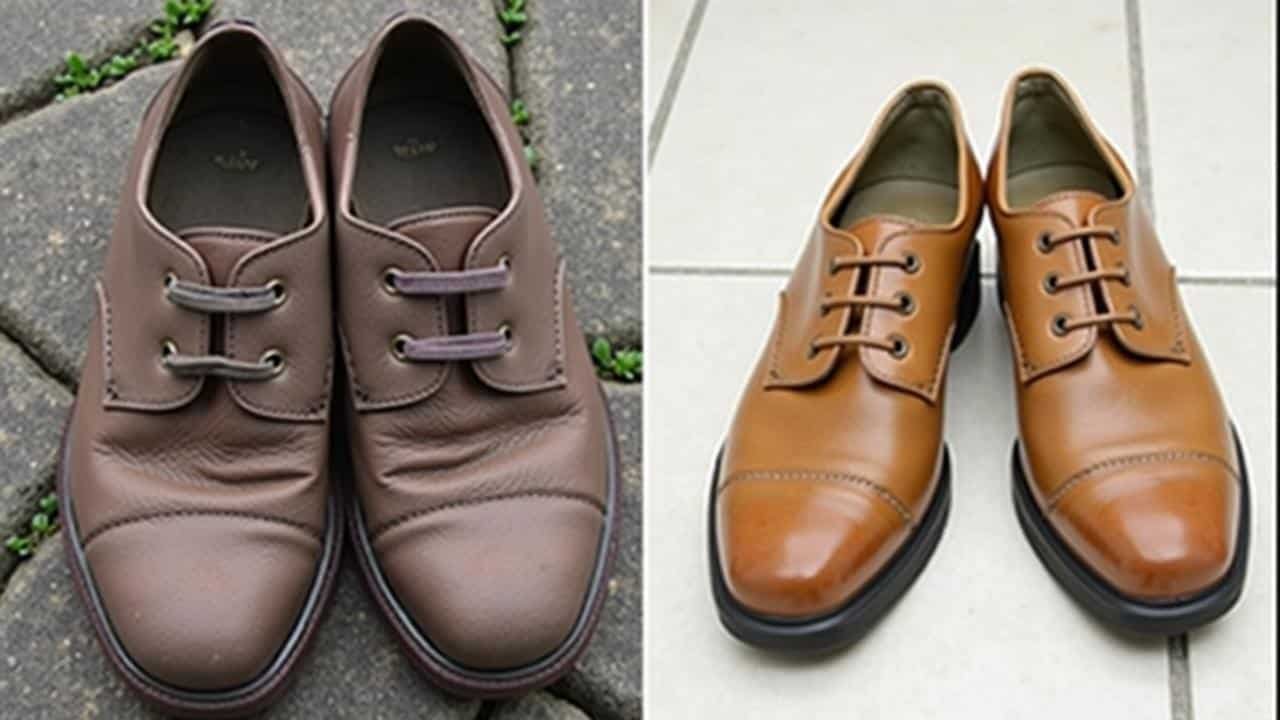
There were three pairs of shoes by the mat, politely steaming, and a bar of soap hidden inside each—peeking through the toe box like a secret. The owner, a retired seamstress, shrugged: “My mother did it. So I do it.”
Next morning, I picked one up. Dry. Clean. Not factory-new, but the stubborn damp-sweat smell was gone, replaced by a light, familiar fragrance from the soap. It felt like finding a string that pulls back a small memory. One tug, and the whole trick comes out.
It sounds too easy, which is why it works.
Why wet shoes smell—and keep smelling

Smell is mostly about moisture, warmth, and time. Shoes give bacteria a cozy cave, and water from rain or sweat turns that cave into a concert hall. Moisture is the megaphone of bad smells. Even “breathable” sneakers can trap dampness in the tongue, the toe box, and around the insole, where it’s hardest to dry.
We’ve all lived that moment when you crack open your gym bag and the odor greets you before you can pretend it isn’t yours. A 20-minute commute in drizzle can be enough: water wicks through fabric, socks stay clammy, and by evening, the shoe’s interior is a tiny rainforest. The scent that follows isn’t just “wet”; it’s microbial life throwing a party.
Fix the moisture, and you mute the smell. That’s the logic behind silicagel packets and cedar shoe trees. Yet most of us don’t own cedar for every pair, and gels get lost. A humble bar of soap changes the equation because it does two things at once—absorbs odor compounds and adds a clean scent—while pulling a bit of damp from the lining. It’s low-tech, and it’s gentle on materials.
Grandma’s trick, step by step

The move is disarmingly simple: slide a dry bar of soap into a thin, clean sock, knot it, and tuck one into each shoe overnight. Choose a classic hard bar—something like Marseille, Ivory, or a plain supermarket brick. The sock keeps residue off the lining and lets scent diffuse without rubbing. In the morning, shoes smell like a drawer freshly opened.
If your shoes are truly soaked, give them an hour with crumpled newspaper to pull out excess water, then switch to the soap-sock for the rest of the night. Don’t use a mushy, glycerin-rich bar right after a heavy soak; hard soap holds up better. *It works while you sleep.* And if you’re tossing the shoes on a mat by the door, crack a window or set them near airflow to speed it up.
Soyons honnêtes : personne ne fait vraiment ça tous les jours. That’s fine. Keep a “shoe soap” in your hallway basket and reach for it on rainy weeks or after long walks. Avoid strongly dyed soaps that might transfer color onto pale linings. Use a thin sock, not a thick wool one, so the fragrance actually spreads. Never blast shoes directly on a radiator or heater; it can warp soles and crack leather.
“Old tricks survive because they fit into real life,” said the cobbler who taught me the soap-in-sock move. “You don’t need to remember to buy anything special. You already have it.”
- Best for: canvas, knit, and leather shoes after routine rain
- Prep first: blot with towel or newspaper if the shoe is dripping
- Soap choice: hard, light-colored bar with a mild scent
- Add-on: a few hours of airflow or a fan nearby
- Storage tip: keep the soap-socks in a small zip bag by the door
What’s happening inside the shoe
Think of odor like a recipe with three ingredients: water, microbes, and material. Shoes give structure; rain and sweat feed the rest. The soap-sock interrupts that recipe. Some odor molecules bind or get masked by the fragrance, while the bar’s dryness and the cotton sock pull ambient moisture away from the lining. Over eight hours, the microclimate calms down, so the “wet funk” never has a chance to bloom again the next day.
There’s a quiet bonus, too. Fresh scent changes how we treat our things. When shoes smell clean, we’re more likely to rotate pairs, air them out, and let them rest, which lengthens their life. The trick isn’t magic—it’s leverage. A small, repeatable habit that makes the next good habit easier.
If you want to go deeper, build a simple rhythm. Soap-sock on rainy days. A thin sprinkle of baking soda in a coffee filter for gym days. Cedar shoe trees for leather whenever you can. Bacteria love damp; starve them with dryness, not perfume alone. The point isn’t perfection. It’s a gentle reset for everyday footwear, without buying a lab’s worth of products.
The kind of wisdom you pass along
There’s a reason small, domestic hacks stick in families. They don’t require a shopping list, only a memory. The soap-in-sock trick belongs to that club: easy to teach a teenager, kind to materials, quick enough to do after a late commute when your brain is fogged. Share it once, and it becomes part of how a home runs.
Maybe you’ll tweak it—lavender soap for Sunday shoes, unscented for hiking boots, citrus for sneakers. Maybe you’ll pair it with a five-minute “after rain” ritual: laces out, tongue lifted, quick wipe, soap-sock in. The shoes are ready for tomorrow, and so are you. It’s an everyday kindness to your future self.
Tell a friend who hates the smell in their hallway. Tell the person who keeps buying sprays that work for a day and vanish. Tell your kid before their first week of soccer. Rain will keep coming. So will muddy paths and crowded trains and puddles that look shallow and aren’t. The trick is tiny, stubbornly simple, and it travels well from one life to another.
| Point clé | Détail | Intérêt pour le lecteur |
|---|---|---|
| Soap-in-sock method | Place a hard bar of soap in a thin sock and leave in each shoe overnight | Quick freshness and odor control with something you already own |
| Pre-dry if soaked | Blot or stuff with newspaper for an hour before using soap | Prevents trapped moisture and speeds up drying |
| Gentle routine | Use on rainy days, rotate pairs, add airflow | Extends shoe life and keeps entryways from smelling musty |
FAQ :
- Can any bar of soap work?Yes. Choose a hard, light-colored bar with a mild scent; avoid soft glycerin bars for soaked shoes.
- Will soap damage leather or fabric?Not when wrapped in a thin sock. The sock prevents residue and color transfer.
- What if my shoes are completely waterlogged?Remove insoles, blot, stuff with newspaper for an hour, then switch to the soap-sock overnight.
- How often should I do this?Use it after rainy commutes or heavy wear. A few times a week in wet seasons is plenty.
- What if I don’t like fragrance?Use unscented soap or a plain coffee filter filled with baking soda as an alternative.