The truth is less glamorous and far cheaper. Dermatologists keep repeating it: the way you use warm water can change how your skin feels—fast.

The bathroom was still dim when I watched a friend cup warm water in her hands like it was something sacred. Steam beaded on the mirror. She pressed the water to her face, no rush, no scrubbing—just patience. Forty seconds, maybe fifty. She did it again. Then a soft towel, a small blob of cream, and she was out the door before the kettle even clicked.
I asked if that was it. She nodded and said her dermatologist called it a “lukewarm ritual,” a habit that softens the top layer, coaxes oil to loosen, and makes texture look smoother within two weeks. No trendy acids. No sting. Just temperature and time. It sounded almost too simple. Which is exactly why it stuck.
The quiet science behind warm water and smoother texture
Warm water is boring the way walking is boring—it works. When the temperature hits that cozy, not-quite-bath level, the outer layer of your skin (the stratum corneum) becomes more pliable. Oils soften, micro-flakes lie flatter, and products glide instead of snagging.

That tiny shift changes how skin reflects light. Roughness scatters it. Smoothness bounces it. The result isn’t theatrical, but it’s visible in daylight: cheeks feel less gritty, makeup grips without pilling, and the “why does my skin look tired?” haze fades. It’s the glow people mistake for a new serum.
There’s no magic pore door opening here—pores don’t open or close. Warmth simply softens the stuff around them: sebum, dead cells, leftover sunscreen. That makes gentle cleansing more effective, which reduces the need to scrub. Less friction means a calmer barrier. Calmer barrier means less water escaping. Texture looks better because the surface is hydrated and smooth, not because you blasted it into submission.
The two-week warm-water habit dermatologists love
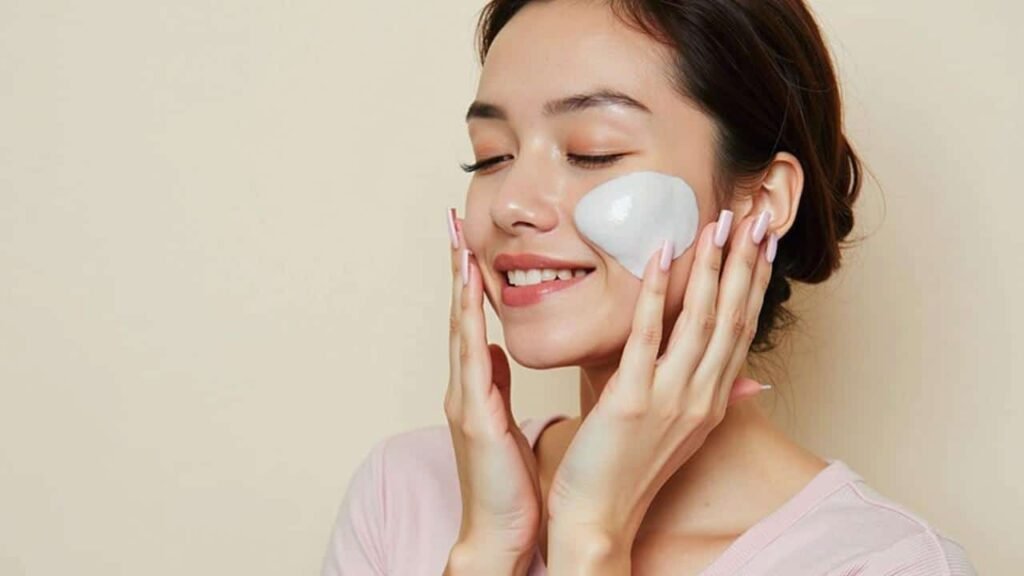
Here’s the method that keeps showing up in clinics. Morning: skip cleanser. Rinse with lukewarm water for 45–60 seconds, cupping and pressing your palms so the water actually sits on skin before sliding off. Pat—not rub—until skin is damp, then moisturize within a minute. Night: use a gentle, low-foam cleanser with lukewarm water for the same slow minute, then pat damp and moisturize.

Add a warm compress when you need extra softness. Soak a clean washcloth in lukewarm water, wring it out, and lay it on your face for 30–45 seconds before cleansing or shaving. It loosens film and flakiness without scratching. We all know that moment when winter makes our face feel tight by lunchtime. This is how you disarm that feeling before it starts.
What trips people up is heat and haste. Water that’s too hot swells and strips, then your moisturizer plays catch‑up all day. Rushing means the water never has time to hydrate the top layer. And rubbing with a towel? That’s texture’s enemy. Let’s be honest: nobody does that every day. But even four calm sessions a week can tilt your skin in a kinder direction.
Small choices, faster wins
Think in temperatures you’d bathe a baby in. If you can feel heat on your cheeks, it’s too hot. Aim for skin-warm, not shower-hot. Count a slow 45 while you press the water on, or hum a chorus. Then lock it in: a nickel-size of a simple moisturizer while there’s still a whisper of dampness. *Your sink and your hands are the cheapest spa you own.*
Common missteps are sneaky. Over-cleansing because it “feels cleaner.” Standing under a steaming shower and letting it blast your face. Using a gritty physical scrub to chase smoothness that warm water and time could have delivered. **Texture is a hydration story first.** If something stings or your cheeks flush after rinsing, dial the heat down and shorten the session.
This is where dermatologists get poetic in their very practical way.
“Lukewarm water is the volume knob for your barrier,” one board‑certified dermatologist told me. “Too hot, you strip. Too cold, you don’t soften. Get it right, and skin looks better in two weeks because it loses less water—and reflects more light.”
- Use lukewarm, not hot: About body temperature. Test on the inside of your wrist.
- Think in minutes, not seconds: 45–60 seconds of contact time beats scrubbing.
- Seal water with moisturizer: Cream while skin is damp to trap that hydration.
- Gentle cleanser at night: Low-foam, pH-balanced, fragrance-free.
- Washcloth compress: 30–45 seconds on days you feel roughness.
What you’ll notice by day fourteen
Weeks have a way of getting messy, so your results won’t land like a movie reveal. They drift in. Your face feels softer when you towel off after a workout. Your foundation slides on with fewer micro‑stutters. The weird patch by your jaw stops catching the light. And when you touch your cheek at 4 p.m., it doesn’t crunch under your fingers.
Two weeks isn’t a full cell cycle—that’s closer to four—but hydration and pliability don’t need a month to show up. Warm water preps, gentle cleansing lifts, moisturizer locks. If you have rosacea, eczema, or acne, temperature matters even more; keep the water cooler and the contact time consistent. It’s not a cure. It’s a habit that helps your skin do its job without drama. Which is the point, really.
| Point clé | Détail | Intérêt pour le lecteur |
|---|---|---|
| — | Lukewarm water softens sebum and micro‑flakes | Smoother texture without harsh scrubs |
| — | 45–60 seconds of water contact, morning and night | Visible softness within two weeks |
| — | Moisturize while skin is damp | Locks hydration, boosts light reflection |
FAQ :
- Do pores open with warm water?Pores don’t open or close like doors. Warmth softens oil and debris around them, which makes cleansing more effective and texture look smoother.
- How warm is “lukewarm” exactly?Aim for skin temperature—about 32–37°C (90–98°F). If it feels distinctly hot on your cheek, it’s too warm. The inside of your wrist is a good tester.
- Can I do this in the shower?Yes, but keep the spray off your face or turn the heat down for a minute when you rinse. Hot showers can strip facial skin fast, so shorten contact time.
- Will this help acne or rosacea?It can make routines gentler and cut irritation, which helps many people. If your skin flares with heat, go cooler and keep sessions brief; see a pro if symptoms persist.
- What cleanser pairs best with this habit?Look for a low‑foam, pH‑balanced gel or cream, fragrance‑free and sulfate‑free. Use at night; mornings can be warm-water only for many skin types.