You air them out, maybe crack a window, and still the inside smells like a gym bag on a hot day. Leather creases deepen fast, canvas goes limp, and the heel starts pinching out of nowhere. There’s a tiny, unfussy fix hiding in your linen drawer. It costs nothing, earns back comfort, and quietly extends the life of your favorite pair.

I noticed it in a hallway full of shoes, the kind of end-of-day pile that tells you everything about a house. Boots slouched open like yawning dogs. Running trainers sagged toward the skirting board. A friend, unbothered, rolled two dry cotton cloths, slipped one into each shoe, and switched off the light as if he’d watered plants. Morning came. The shoes stood up straighter, smelled… not new, but calm. The leather looked rested. The step felt lighter. Something subtle had reset overnight. One small change had done a lot more than expected. There was another surprise waiting.
The quiet science inside your shoes
Each foot is a tiny weather system. Heat, salt, and moisture pool in the lining, especially after a long commute or a sprint for the bus. A dry cloth tucked inside behaves like a thirsty sponge for that microclimate. It wicks damp away from the insole and toe box, then spreads it across a larger surface so it can leave the shoe while you sleep. The material doesn’t need perfume. Just dryness and patience.
We’ve all had that moment when you pull on yesterday’s shoes and they feel older than they should. Data backs the feeling: human feet hold roughly 250,000 sweat glands and can release up to half a pint of perspiration in a day. Trapped overnight, that moisture softens leather fibers, glues salt into fabric, and feeds the bacteria that create that sour, locker-room note. A simple cloth interrupts the cycle before it starts to smell like a story you don’t want to tell.

Here’s the surprising part: moisture doesn’t only smell; it deforms. When the lining stays wet, the upper collapses into new creases and the heel counter gets spongy. A dry cloth fills the void like a gentle, flexible shoe tree. It supports the toe box, draws damp out of the stitching, and keeps the silhouette awake. **Your shoes last longer because the structure isn’t fighting humidity all night.** The feeling the next day isn’t just freshness—it’s shape memory returning.
How to do it tonight, in under 30 seconds
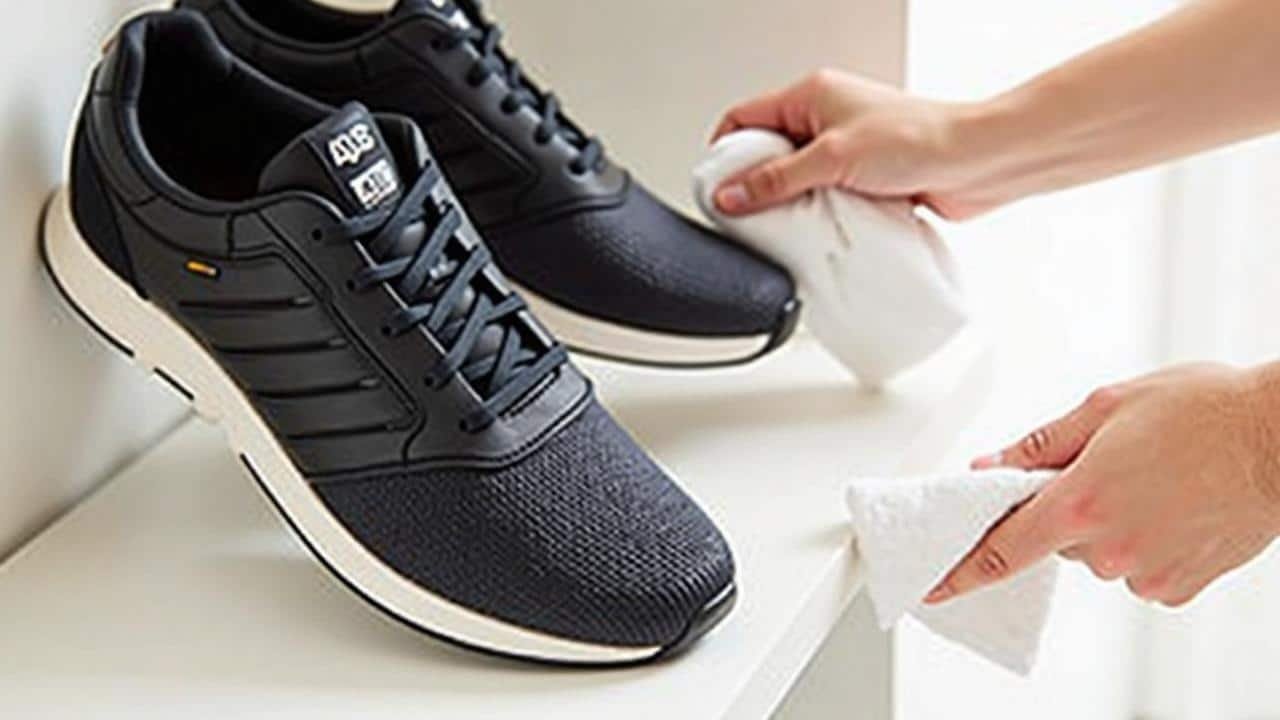
Take two clean, dry cloths—cotton T-shirt scraps or microfiber do best. Roll each into a firm cylinder, not too tight, like a hand-sized baguette. Slide one into the toe of each shoe and press lightly so it fills the front and touches the insole. If the shoes were sweaty, leave the laces loose to let air move. In the morning, pull the cloths out and let them finish drying on a radiator or in the sun.
Let’s be honest: nobody actually does this every day. Aim for the days that matter—the long-walk days, the rain days, the evenings when your feet felt busy. Swap in fresh cloths every couple of wears. If you can, pop out removable insoles in sneakers and place the cloth beneath them. For leather, wait until the next day to condition; don’t lock moisture in with cream before the cloth has done its quiet work.

There are a few avoidable pitfalls. Don’t use a damp cloth (it sounds obvious, but it happens after laundry day). *Don’t overstuff—your goal is support, not stretching.* Skip paper that sheds lint or newsprint that transfers ink. And if a pair is soaked, stuff with cloth to absorb, then give the shoes a day off to breathe.
“Think of a dry cloth as a free, flexible shoe tree,” says a London cobbler who sees more collapsed toe boxes than cracked soles. “You’re not just drying. You’re protecting the architecture.”
- Best cloth: tightly woven cotton or microfiber
- Best timing: right after you take shoes off
- Big win: odor control and shape retention overnight
- Avoid: heat blasting leather or suede
- Bonus: rotate pairs so each gets a full drying cycle
Beyond freshness: small habits that stack up
This trick nudges a broader shift: treating shoes like part of your day’s recovery, the way you treat your phone when you put it on charge. Slip in the cloths, crack the laces, and leave pairs on a rack where air flows. **By morning, you don’t just save time deodorizing—you save the bounce that makes a walk feel easy.** It sounds tiny. It adds up fast.
Materials respond differently, so tune the habit. Leather loves slow, cool drying and occasional conditioning the next day. Suede prefers a brush before the cloth goes in, so the nap stays lively. Athletic mesh dries quickly; pair the cloth with a deodorizing sock sachet if your training week is heavy. If you live in a damp home, a silica gel pack nearby gives the cloth backup on wet nights.
The benefit touches posture and mood too. That slight morning “ugh” when shoes feel swampy? Gone. The heel stays firm, the arch doesn’t feel wilted, and the fit becomes predictable. **Fresh, dry structure means your socks glide, your foot sits, your stride relaxes.** It’s mundane magic you can feel in the first five steps.
There’s something shareable about small wins that don’t ask for new gear or a shopping list. A dry cloth is already in your home, waiting to solve a problem that hides in plain sight. Try it on the pair you wear most, the ones that carry your week and your errands and your small late-night walks. Share it with a friend who complains about “that shoe smell.” See how the ritual changes your morning. The best tips feel almost silly at first, then become second nature.
| Point clé | Détail | Intérêt pour le lecteur |
|---|---|---|
| Moisture wicking overnight | Dry cloth pulls sweat from lining and spreads it to evaporate | Less odor, fresher feel in the morning |
| Shape support without a shoe tree | Rolled cloth fills toe box and reduces collapse | Fewer creases, longer shoe life |
| Zero-cost, low-effort routine | Use cotton or microfiber you already own | Quick habit with outsized payoff |
FAQ :
- Does this work better than stuffing shoes with paper?Yes. Cloth absorbs more evenly, doesn’t shed, and can be reused. Paper crumples, leaves lint, and struggles with heavy moisture.
- Will a dry cloth stretch my shoes?No if you roll lightly. You’re supporting the shape, not forcing it. If you want widening, that’s a different tool entirely.
- What kind of cloth is best?Clean cotton or microfiber. Old T-shirts cut into strips are ideal. Avoid fluffy towels that leave fibers behind.
- Can I add baking soda or essential oils?A pinch of baking soda in a pouch helps in sneakers. Go gentle with oils; they can stain leather and attract dust.
- Is this safe for suede and nubuck?Yes. Brush the nap first, use a dry cloth, and let them dry away from heat. The cloth speeds drying without crushing the texture.