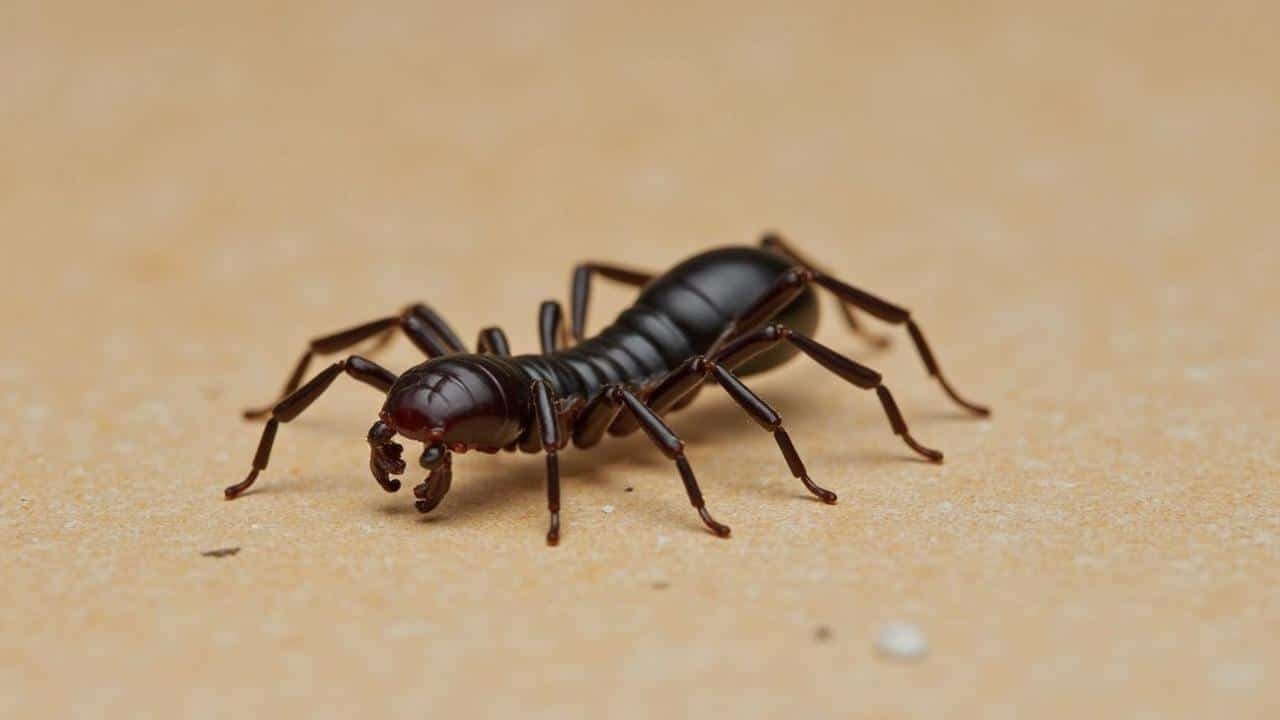
One small change outside your walls can flip the script on unwelcome house guests.

Centipedes love damp cover, quiet corners, and a quick path into warmth. Shift those conditions, and they stop showing up. The smartest fix starts at ground level, where landscaping meets the foundation.
The outside fix most people miss
Many homeowners mulch right against exterior walls. It looks tidy. It also creates a shaded, moist runway that centipedes adore. Pull that organic blanket back. Swap it for a dry, plant-free buffer around the footprint of your home.
A dry, clean perimeter—about one foot wide—starves centipedes of shelter and moisture right where they would stage their entry.

Use pea gravel or crushed stone instead of bark or compost near the walls. If you prefer to keep mulch in beds, rake it thin. Keep organic mulch layers no deeper than roughly 3 inches, both to reduce moisture and avoid a fire hazard in hot spells. Lift potted plants off the ground on feet or stands so water can drain and air can move underneath. Then check how your site handles rain. Downspouts should discharge well away from the house, and the soil should slope so water doesn’t linger near the foundation.
How to build a dry perimeter
- Rake back mulch and leaf litter at least 12 inches from exterior walls.
- Lay a strip of gravel or small stone as a long-term, low-moisture barrier.
- Trim dense groundcovers that press up against siding or brick.
- Extend downspouts and clear splash blocks so runoff flows away fast.
- Elevate pots and planters; avoid saucers that hold water.
- Keep firewood and compost piles well off the ground and away from the house.
| Spot | Common setup | Better swap | Why it helps |
|---|---|---|---|
| Foundation edge | Thick bark mulch | 12-inch gravel strip | Removes shade and moisture that centipedes need |
| Planting beds | Mulch deeper than 3 inches | Mulch thinned to about 2–3 inches | Driers soil surface; lowers heat risk |
| Downspouts | Water dumped next to wall | Extensions or splash blocks | Keeps the perimeter dry after storms |
| Pots by doors | On the ground with saucers | Raised on feet; no standing water | Removes dank hideouts along entry points |
Block their path inside
Once the outdoor motel closes, tighten the building envelope. Seal hairline gaps where utilities enter. Patch cracks in basement walls. Refresh caulk around window wells, sill plates, and door thresholds. Weatherstrip gaps that light can sneak through. Small holes matter; house centipedes flatten and slip into places you’d never expect.
Lower indoor humidity and they will keep moving. Basements, laundry rooms, and first-floor bathrooms often run damp. A dehumidifier set to keep relative humidity near 30–50% will make those zones far less attractive. Fix any slow leaks. Run extractor fans during showers. Dry mops and bath mats promptly. Air that stays dry breaks the centipede’s two-step of shelter plus moisture.
Tackle the food chain

Centipedes are not freeloaders. They’re quick predators that hunt carpet beetle larvae, cockroaches, silverfish, and spiders. If you’re seeing lots of them, you probably have a buffet of other insects nearby. Target that buffet and the hunters leave too.
If centipedes are frequent, it’s a signal: something else is feeding them. Solve the prey problem and the centipedes go with it.
- Use a few sticky traps to identify which pests show up overnight.
- Vacuum along baseboards, under appliances, and inside closets to remove larvae and shed skins.
- Store dry goods in sealed containers; wipe crumbs and grease trails in kitchens.
- Fix gaps behind splashbacks and under sinks where roaches and silverfish hide.
Go gentle before going chemical
You don’t need harsh sprays for a handful of stragglers. Lightly dusting diatomaceous earth into wall voids and under baseboards can deter crawlers. Keep the dust minimal and away from areas pets or children touch. Some homeowners also report success with peppermint oil placed along baseboards, corners, and closet thresholds. The scent isn’t a silver bullet. But it can make edge zones less inviting while the perimeter and sealing work take effect.
Sticky traps help in two ways: they confirm what’s living with you, and they thin numbers at hotspots. Replace them every few weeks until counts drop. If chemical options become necessary, use targeted baits for the prey species you identified, rather than broad sprays. That strategy reduces collateral exposure and addresses the root cause.
What to do if you still see a few
Expect occasional sightings after rain or during the first cold snaps. That doesn’t mean failure. It often means you’ve disrupted their habitat and they’re on the move. Vacuum individuals when you see them. Empty the canister outside. Keep working the perimeter and the humidity. Numbers usually slide over a couple of weeks as conditions shift.
What professionals look for
Pest technicians follow a similar checklist: exterior moisture, entry points, indoor humidity, and prey pressure. They may add door sweeps, seal expansion joints, and recommend minor grading changes. If they spot structural gaps, they’ll suggest masonry or carpentry fixes. Ask for an integrated approach rather than a spray-only visit. It saves time and avoids repeat callouts.
Need-to-know basics about house centipedes
- Species: Often the house centipede (Scutigera coleoptrata) in the US and parts of Europe.
- Behavior: Nocturnal hunters that prefer cool, humid microclimates.
- Bite risk: They can sting, but encounters are rare and typically mild for humans.
- Seasonality: Numbers rise indoors after heavy rain and during autumn cold snaps.
- Upside: They reduce roaches, moth larvae, and silverfish without chemicals.
Extra tips that pay off fast
Check weep holes, vents, and utility penetrations with a flashlight at night. If you see daylight from inside, seal the gap. Add door sweeps on basement and garage entries where the slab meets the frame. Move cardboard storage off the floor onto shelves; plastic bins close tighter and don’t wick moisture. In older homes, insulate cold water lines to prevent condensation that keeps rooms damp.
If you garden, plan beds so the lush growth sits at least a foot from the wall. Drip irrigation should end before your gravel strip, not soak through it. In rental flats and townhomes, coordinate with neighbors on downspouts and shared walls. Moisture problems don’t respect property lines, and a shared fix is the one that sticks.