Sunlight slid across the counters, catching the quiet shimmer of stainless steel — and then, tilt your head, there it was: that stubborn, sticky film clinging to the range hood and cabinet doors. You wipe, it smears. You push harder, it shines for ten minutes, then the tackiness creeps back like a secret. A chef laughs and pulls a small canister from the pantry, the kind you use for pancakes or cookies. No fancy label. No warning symbols. Just a spoon, a splash of water, and a little patience. The smell is warm and simple, like a bakery. The grease lifts as if it never belonged there.

The trick is sitting in your pantry.
Why pros reach for baking soda
Pros don’t chase the newest bottle on the shelf. They want what works every time, in a busy service or a 20-minute turnover between jobs. That quiet staple is **baking soda**. It’s cheap, steady, and surprisingly elegant in how it breaks down everyday kitchen grease.
I watched a line cook after a Friday rush swipe a white paste over a range guard and walk away to count tickets. No scrubbing frenzy, no harsh fumes. Five minutes later, a soft wipe and a rinse — the metal looked like it had slept. He shrugged, the way people shrug only when they’ve solved the same problem a thousand times. “Old trick,” he said.

There’s a reason it feels like an old trick. Baking soda is a mild alkali and a gentle abrasive. Fats are acidic-leaning and sticky; raise the pH and you nudge them into letting go. Add a drop of detergent and you help the loosened grease float away. It’s simple chemistry, with a soft touch that keeps finishes intact when you treat them with care.
How to use it on every surface
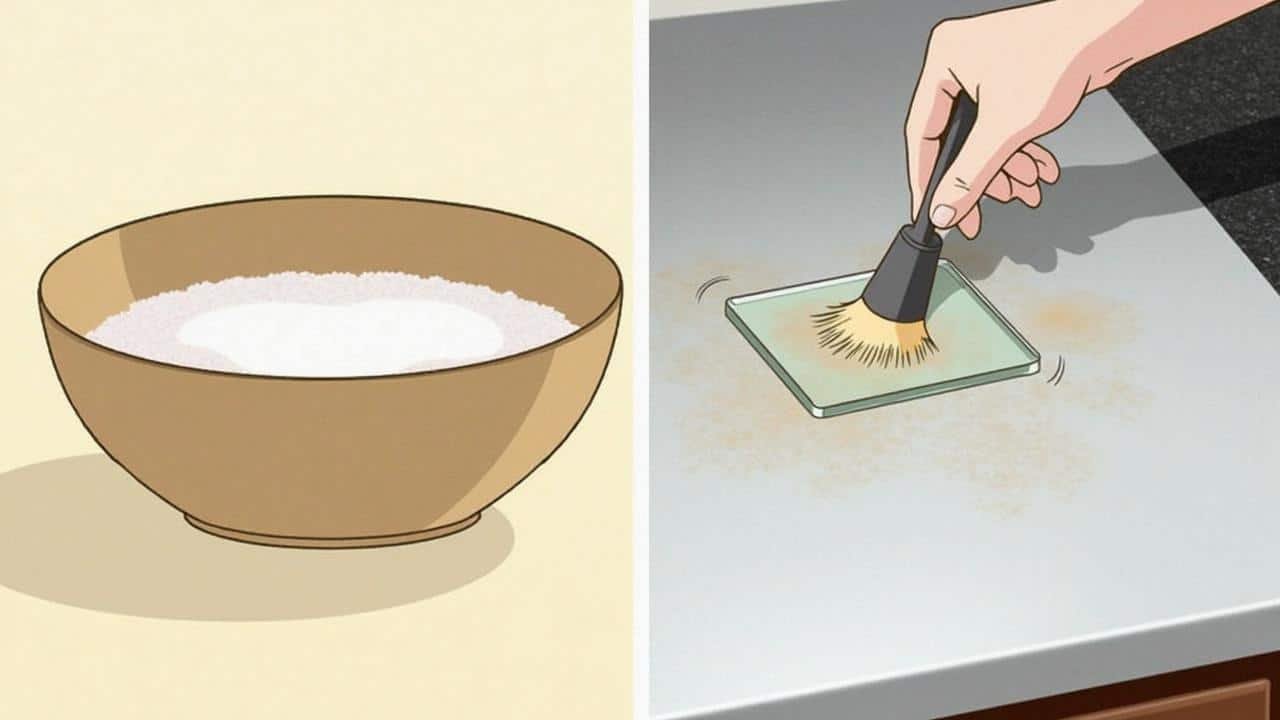
Make a paste: 3 parts baking soda to 1 part warm water. For shine and glide, add a pea-size drop of dish soap. Spread a thin layer over greasy spots on stainless, tile, enamel, or glass. Give it **dwell time** — 5 to 10 minutes for films, up to 15 for gummy buildup. Wipe with a damp **microfiber cloth**, rinse with hot water, and buff dry.
We’ve all had that moment when the stovetop feels sticky no matter how much you wipe. Here’s the reset. On vertical spots like cabinet faces or range hoods, paste on, then press a damp paper towel over it so it doesn’t slide. For hood filters, submerge in the hottest water your sink will hold, add 1/4 cup baking soda and a good squirt of dish soap, soak 10–15 minutes, then rinse. Let’s be honest: nobody really does that every day.

Use light pressure on lacquered cabinets and painted trim, and test in a hidden corner first. Skip vinegar on natural stone, and don’t let any paste sit forever on marble; short contact, then rinse. *Let the paste do the heavy lifting while you sip your coffee.*
“I buy baking soda in 12-pound bags,” says Carla P., a New York cleaning pro. “It saves time, and it never ruins a finish when you respect the surface.”
- General paste: 3:1 baking soda to warm water
- Filter soak: sink of hot water + 1/4 cup baking soda + 1–2 tsp dish soap
- Dwell time: 5–10 minutes, then wipe and rinse hot
- Tools: soft sponge, nylon brush for textures, lint-free towel to dry
- Spot test: inside a door or underside of an appliance panel
A small shift, a cleaner kitchen
The quiet power of a pantry staple changes the rhythm of cleanup. You’re not battling grease so much as giving it conditions to let go, and then guiding it away. It’s strangely satisfying to watch a cloudy patch on the oven glass turn clear with a few calm passes. Grease is part of cooking with joy — pancetta, roasted peppers, seared steaks — and it doesn’t need to be a villain if you have a tiny ritual that works. Share the paste trick with a friend who swears by harsh sprays. Trade the cough-inducing fumes for warm water and something you already own. The kitchen feels lighter when your cleanup is as kind as your food.
| Point clé | Détail | Intérêt pour le lecteur |
|---|---|---|
| Baking soda breaks grease | Mild alkali plus gentle abrasion loosens oily films | Removes stuck-on residue without harsh chemicals |
| Dwell time beats elbow grease | 5–10 minutes lets the paste work before wiping | Less scrubbing, fewer scratches, faster results |
| One method, many surfaces | Paste for counters and glass, soak for filters | Simple routine you can repeat everywhere |
FAQ :
- What is the pantry ingredient professionals use to remove stubborn grease?Plain baking soda. It’s affordable, mildly alkaline, and a gentle abrasive that breaks down greasy films on most kitchen surfaces.
- How do I use baking soda on a greasy stovetop?Make a 3:1 paste with warm water, spread thinly on the greasy areas, wait 5–10 minutes, then wipe with a damp microfiber and rinse hot. Dry to prevent streaks.
- Is baking soda safe on stainless steel and glass?Yes. Use light pressure and a soft cloth. Wipe in the grain on stainless and rinse thoroughly. It leaves glass and induction tops clear when rinsed and buffed.
- What about wooden or painted cabinets?Use a softer paste with more water and very gentle strokes. Test inside a door first and avoid heavy rubbing on soft paints or older varnish.
- Can I mix baking soda with vinegar for grease?You can, but it cancels the alkalinity when combined directly. For grease, baking soda plus a drop of dish soap works better. Never mix cleaning agents with bleach.