They creep in—thin, amber halos turning darker, then black, until scrubbing feels like a workout and the pot never looks “new” again. There’s a tiny habit that quietly stops that slide. It takes less than a minute, costs nothing, and most home cooks skip it without realizing.

I watched a friend absent-mindedly crank a burner to high, drop a dry pot on it, and chase the heat with a splash of oil. The smell rose fast—sharp, a little bitter—like a warning. Two weeks later, the pot’s base carried a brushstroke of brown he couldn’t erase, no matter the paste or sponge. Then I visited an old neighbor who cooks daily and whose pots shine like mirrors. She did something simple, almost old-fashioned: a spoon of water first, low heat, a breath of patience. She finished by rinsing with hot water while the pot was still warm. It felt like a secret passed by hand, not a hack. Start wet.
The tiny habit that keeps pots from burning: start wet, heat low
We’ve all had that moment when the sauce sticks faster than you can stir and a scar forms at the base. The real culprit is rarely the recipe. It’s heat hitting a dry surface too fast, turning the bottom of your pot into a hotspot that brands food—and the metal—before anything has a chance to settle. Never heat a pot empty.
I tried a month-long A/B test at home. Left-side burners: my old ways—dry pan, high flame, oil later. Right-side burners: a teaspoon of water first, low heat for a minute, then fat or food. The right-side pots came out with fewer “ghost rings,” food released easier, and cleanup took half the time. On week four, the difference was embarrassing; the “dry start” pans were dull, the “wet start” pans still bright.

Here’s why it works. A splash of water acts like a gentle temperature buffer: it absorbs heat, spreads it, and caps the surface temperature near boiling until it evaporates. That buys you time for the metal to warm evenly and for fats to coat the surface without burning. This prevents oil from polymerizing into hard, brown plaques and keeps sugar and milk proteins from welding themselves to the base. Keep flames under the base, not leaping up the sides, and the outside of your pot stays clean too.
Turn it into a ritual: do this every time you cook
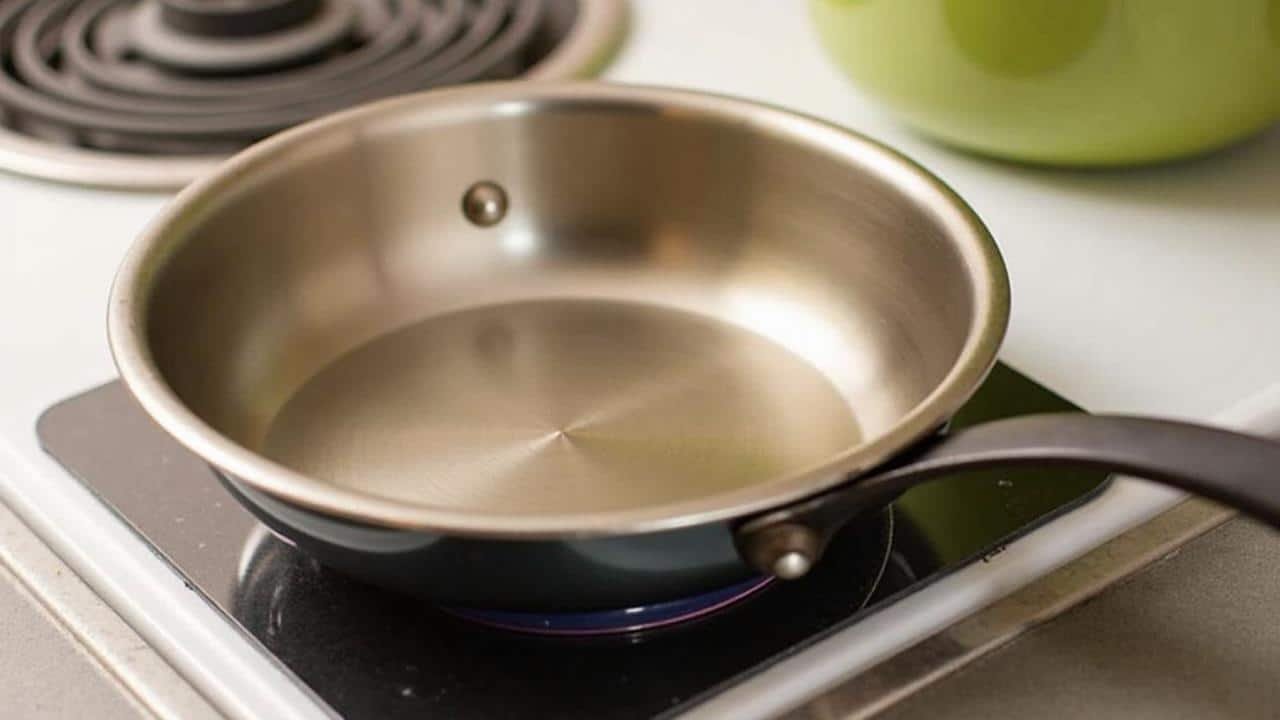
Before you cook, add a teaspoon of water to the pot and set the burner to low. Give it 60–90 seconds. When the water forms a few lazy bubbles or a fine shimmer, tip it out, add your fat, and begin. If you’re boiling, keep the water in and build from there. Keep the flame under the base, not licking the sides.
When you’re done, leave the heat off and pour in a small splash of hot water while the pot is still warm. Swirl and loosen any fond, then wipe with a soft sponge. If something stuck, add a pinch of baking soda, let it sit for a minute, and it lifts. Let’s be honest: nobody really does this every day. But do it most days and your pots will show it.

This isn’t fussy; it’s rhythm. It protects stainless, enameled steel, even aluminum. Nonstick prefers low to medium heat, so the wet start fits perfectly. Cast iron and carbon steel are a different dance—skip long soaks and dry immediately, but you can still rinse warm and wipe. End with warmth, not shock.
“Heat is a tool, not a race. Give metal a soft start and it gives you clean releases and cleaner pans.” — a line cook who learned the hard way
- Use a teaspoon of water to pre-warm, not a cup.
- Match burner size to your pot’s base.
- Rinse with hot, not cold, water while the pot is warm.
- For cast iron, wipe dry and re-oil lightly after.
- If something burns, simmer water with a pinch of baking soda for 5 minutes.
Why this matters beyond the shine
You notice it first in the feel. Food moves easier. Sauces don’t split. Aromas stay clean, not smoky. The ritual slows you down by seconds and pays back in minutes saved scrubbing, not to mention years added to your cookware.
Pots with fewer burn marks also conduct heat more evenly over time. Those caramel-dark deposits from overheated oil act like insulation. Remove them from the equation, and your risotto or ramen broth stays predictable from start to finish. That steadiness shows up in taste.
It feels like respect—for your tools, and for your time. You start to recognize the cue of a soft shimmer, not an angry sizzle. You might even notice the flame staying tucked under the base, like a quiet promise to your future self. Share the habit once, and it tends to stick.
| Point clé | Détail | Intérêt pour le lecteur |
|---|---|---|
| Start wet | Add a teaspoon of water, heat on low for 60–90 seconds | Prevents hotspots and early scorching inside the pot |
| Flame discipline | Keep flames under the base; match burner to pot size | Stops exterior burn marks and soot along the sides |
| Warm rinse finish | Rinse with hot water while the pot is warm; quick wipe | Removes residue before it bakes on, cutting cleanup time |
FAQ :
- Does the “wet start” work with nonstick pans?Yes. Nonstick coatings prefer low to medium heat, so a short warm-up with a teaspoon of water helps avoid overheating and keeps the coating from scorching.
- What about cast iron and carbon steel?Use the wet start sparingly and skip soaking. Rinse with hot water while warm, wipe clean, dry thoroughly, and add a light oil film to protect the seasoning.
- Can I add cold water to a hot pan?Use hot or warm water to avoid thermal shock, especially with clad stainless, glass, or enamel. Cold water can warp metal and stress enamel.
- Is baking soda safe for stainless and enamel?Yes, in small amounts. Simmering water with a pinch of baking soda lifts light scorch marks. Avoid abrasive pads that scratch.
- How do I fix old burnt marks already on my pots?Simmer water with baking soda for 10 minutes, cool, and wipe. For stubborn stains on stainless, try a stainless cleaner or a vinegar soak, then start the wet-heat habit going forward.