It smelled odd by Friday. The date wasn’t the problem. The fridge was.

It happens on a weeknight that looks like most weeknights. You shoulder the door open with grocery bags, slide milk into the door rack, wedge greens into the crisper, stack leftovers in a confident tower, then close the seal with a soft thud. The light blinks off, and you feel organized for a breath. We’ve all had that moment when the kitchen finally looks under control. Then the yogurt turned.
The quiet reason food spoils early
What kills food before the date isn’t just time. It’s uneven cold. Modern fridges are little weather systems, with jets of cold air, warm eddies near the door, and dead zones where air can’t move. When we pack them tight, cold can’t travel, and pockets of mild warmth let microbes wake up and go to work.
I watched it happen in my own kitchen, weeks in a row. The milk lived in the door because that’s where the jug fits, the cheese perched high because it felt safer there, and herbs got buried under leftovers. One night I put a thermometer on the middle shelf, and another in the door. The shelf sat at 37°F. The door drifted above 42°F every time someone grabbed a snack.

Food dates assume the right conditions. When the temperature swings or airflow is blocked, those dates become a guess. The dairy you expect to last a week can sour in three days. The trick isn’t magic or a fancy appliance. It’s a simple rule the pros treat like gospel and most homes forget.
The forgotten rule: two inches of air, always
Call it the **2-inch breathing rule**. Leave at least two inches of open space around the walls, above tall containers, and in front of the cold-air vents. Cold needs paths. When you open the door, a cushion of air escapes; if the fridge can refill that space quickly, the temperature drops back into the safe zone fast. Park a small fridge thermometer on the middle shelf and aim for the **37°F sweet spot**.
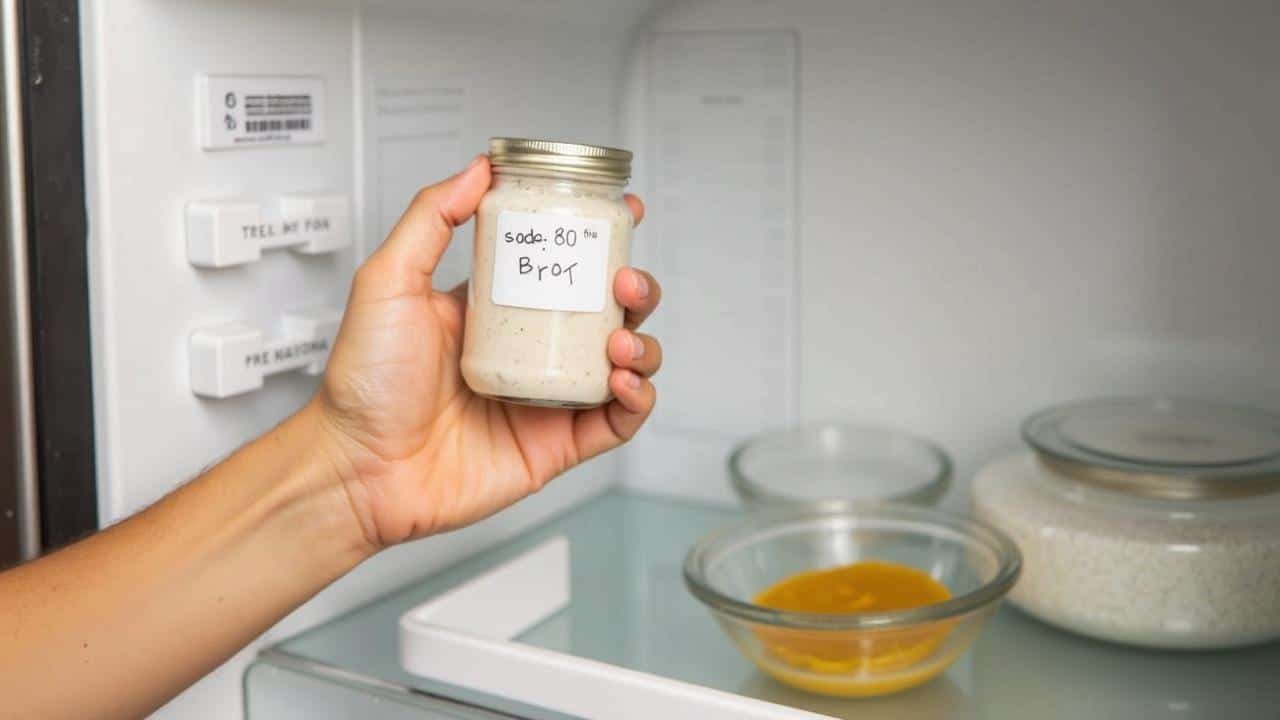
Think of your shelves like lanes on a highway. No pile-ups, no bumper-to-bumper jars pressed to the back wall where freeze spots lurk. Move milk and drinkable dairy off the door and into the back half of a middle or lower shelf. Meat on the bottom, produce in drawers, leftovers in the front so they’re seen and eaten. *This tiny reshuffle can feel like learning a new route home.*

Let’s be honest: nobody does that every day. Real life is late buses, half lunches, and a lasagna pan that refuses to fit. So work with your future self. Keep two “air strips”: one at the back of the middle shelf, one above the tallest item. Use stackable, low bins instead of teetering towers. Label lids with a quick date, and rotate older items forward.
“Cold doesn’t work without space,” a food scientist told me. “Airflow is the fridge’s superpower.”
- Slide milk and cream off the door. That single move saves days.
- Keep a credit-card gap between containers and the back wall.
- Group small jars in a bin so air can flow around the bin, not fight each jar.
- Cool hot leftovers on the counter for 20–30 minutes before they go in.
- Check the door gasket with a dollar bill; if it slips out easily, the seal’s weak.
A fridge that thinks in space, not just time
Once you notice the way cold moves, you start seeing the little negotiations that decide if food makes it to its date. The door opens. Warm air rushes in. The compressor hums. If airways are clear and the set point is right, your fridge regains ground in minutes. If it’s jammed, the warm pocket lingers and microbes get their window.
Here’s a simple weekly ritual that doesn’t swallow your Sunday. Stand in front of the open fridge for sixty seconds, and edit. Nudge tall bottles an inch apart. Pull the oldest leftovers to eye level. Wipe crumbs from the shelf lip so the drawer glides shut. It’s small and quick, and it matters more than a big, heroic clean-out you’ll do once a season.
The other piece many of us forget is language. “Sell by,” “best before,” and “use by” don’t mean the same thing. Dates guide quality more than safety for many foods, and that’s why the fridge dance matters so much. When you stack cans in a pantry, time is the boss. In the fridge, space is the boss. One rule brings both together: keep airways open and put the most sensitive foods where the cold is steady. That includes **keep milk off the door**.
It’s not magic. It’s physics you can taste.
There’s a small joy in opening a fridge that breathes. The lettuce still has bite. The berries hold their shine. The pot roast smells like dinner, not doubt. This isn’t about perfection or being the kind of person who labels every jar. It’s about noticing the map of your own appliance and giving cold a clear shot.
You might try two inches tonight and forget next week. That’s fine. Fridges are living spaces, and life is messy. The grace is in tiny course corrections, the kind that nudge your yogurt past the weekend and keep a dozen eggs tasting like Sunday. Share the trick with a roommate or a neighbor. Watch what happens to their milk.
| Point clé | Détail | Intérêt pour le lecteur |
|---|---|---|
| Keep two inches of space | Leave clearance around walls and vents for steady airflow | Reduces warm pockets that spoil food early |
| Park the temp at ~37°F | Use a $5 thermometer on the middle shelf | Turns vague dial settings into consistent cold |
| Move dairy off the door | Store milk and cream on a middle/lower shelf, back half | Extends freshness by avoiding temperature swings |
FAQ :
- What is the forgotten fridge rule?The 2-inch breathing rule: keep at least two inches of open space around items and vents so cold air can circulate.
- Why does milk go bad before the date?The door is the warmest zone and swings through big temperature changes. Move milk to a colder, steady shelf.
- What temperature should my fridge be?Aim for about 37°F (3°C). Place a simple thermometer on the middle shelf and set your dial to match.
- Is it safe to put hot food straight in the fridge?Let it cool on the counter for 20–30 minutes first. Then store in shallow containers so cold can reach the center.
- Do “best by” dates mean the food is unsafe after?Not always. Many dates signal peak quality. Storage conditions decide how close you get to that promise.