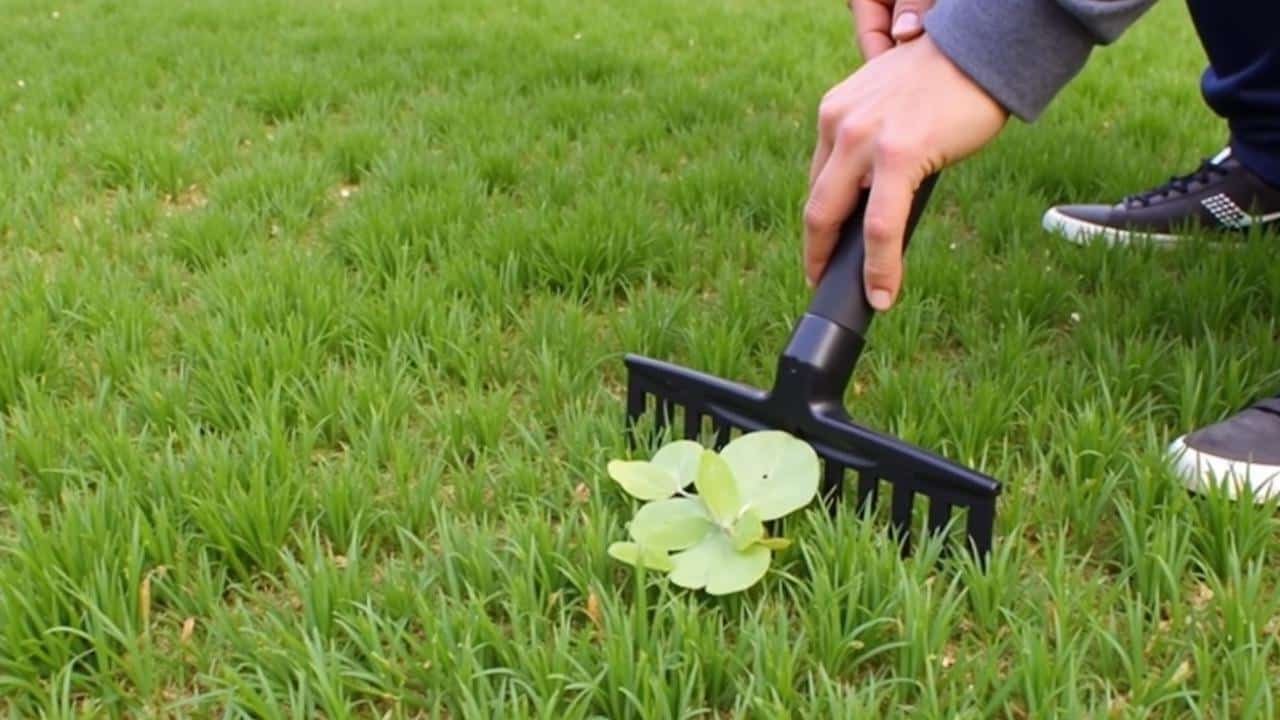
A small tweak to your routine changes everything this year.

Across the US and UK, homeowners are swapping brute force for a simple grid plan. It speeds up raking and reduces strain without buying new gadgets. The trick is to shrink the job from one giant task into a series of quick wins.
What the grid method actually does
The grid method breaks your lawn into big squares or rectangles. You rake each square toward a small pile at its center. You repeat the pattern across the yard, then bag the piles in a tidy loop once the grid is set.
This approach cuts long walks, awkward dragging, and those messy leaf “trails” that always seem to reappear. It also turns a vague chore into measurable progress, which helps you keep momentum.
The grid keeps piles small, carry distances short, and progress visible—three shifts that save time and your back.

How to set it up
You don’t need stakes or string. Just mark the yard with landmarks in your head: fence posts, patio corners, a tree trunk, or even the shadow line from the house. Aim for squares about 10 to 15 feet across for most rakes.
- Sketch it mentally: split the lawn into a 2×3 or 3×3 patchwork.
- Rake each square inward, making a soccer-ball-sized pile in the center.
- Finish all squares, then bag clockwise around the yard.
- If you prefer, bag after every two or three squares to keep clutter down.
Pick a rhythm—bag as you go or bag at the end. The key is to avoid constant back-and-forth.
Why it works, according to ergonomics

Shorter carry distances reduce twisting and overreaching. Small piles weigh less, so your shoulders and lower back get a break. Clear micro-goals prevent the “I’m not getting anywhere” feeling that leads to sloppy form and fatigue.
Raking toward a center point also encourages you to switch sides naturally. Alternate hand positions every few minutes to balance the load on your core and forearms.
What you need (and what you don’t)
- A lightweight poly rake with a flexible head, 24–30 inches wide.
- Work gloves with grip to avoid blisters.
- Paper lawn bags or a wheeled bin; a tarp if you prefer to drag piles.
- Dust mask if leaves are dry and powdery.
- Eye protection on windy days.
You don’t need a blower for this method, though it plays nicely with a mower mulching pass at the end.
When the yard fights back
On windy days
Work downwind so leaves move with you. Make smaller squares. Drop a tarp or overturned bin over finished piles if gusts pick up.
On slopes
Build your grid across the slope, not up and down. That reduces sliding and keeps piles from rolling. Bag sooner so piles don’t migrate.
After rain or morning dew
Wet leaves are heavier and stickier but less likely to blow away. Wait until midday when the surface dries. Use a metal leaf scoop or your rake like a shovel for clumps.
For tiny lawns
Shrink the grid to 6–8 foot squares or go with two halves. The principle still applies: less distance, smaller piles, faster bagging.
How the grid compares to other approaches
| Method | Best for | Time footprint | Fatigue | Gear | Notes |
|---|---|---|---|---|---|
| Grid raking | Medium to large lawns | Moderate to fast | Low to medium | Rake, bags/tarp | Clear progress, minimal backtracking |
| One big pile | Small open lawns | Slow | High | Rake | Long walks and messy trails |
| Blower | Dry conditions, many obstacles | Fast | Medium | Blower, ear/eye protection | Noisy; less effective on wet leaves |
| Mulching mower | Light to moderate leaf fall | Fast | Low | Mower | Feeds lawn; not ideal for thick mats |
What to do with the leaves
Bag for curbside collection if your council or city runs fall pickups. Check rules on paper bags and collection dates. Some areas fine for plastic bags or out-of-schedule dumps.
Mulch instead if the layer is thin. Two or three passes with the mower shreds leaves into confetti that feeds soil. For thick layers, heap them in a corner bin with grass clippings for a simple cold compost.
Leave a light scatter in flower beds to shelter pollinators through winter. Keep lawns clear, though. Thick mats can smother turf and invite mold.
Keep lawns breathable, but let garden beds borrow some leaf cover for soil life and winter protection.
Timing that saves your sanity
Rake in windows, not marathons. Late morning or early afternoon works best once dew lifts. Aim for one short session each week during peak drop. You’ll spend less time than a single end-of-season grind.
Watch the forecast. Tackle a grid before a wet front moves in, or wait until after strong winds finish shaking branches clean.
Safety and pacing
- Warm up with a minute of arm circles and hip hinges.
- Switch rake sides every five minutes.
- Keep piles under knee height to protect your back when lifting.
- Use your legs to lift bags; avoid twisting while you turn.
- Take a water break between grid rows.
A quick at-home time test
Set a timer for 10 minutes and clear one grid square at your normal pace. Count bag halves or tarp loads. Multiply by your yard’s number of squares for a rough total. This mini-benchmark helps you plan daylight, bags, and breaks without guesswork.
If you’d rather not rake at all
A mulching mower handles light layers and improves soil. A blower helps around fences and shrubs, but brings noise and safety gear. Garden crews can do a one-off visit after peak leaf drop; you can then maintain with a small grid session weekly.
Extra ideas that widen your options
Try a hybrid: grid the main lawn, then blow fence-line leaves into each square’s center before you bag. Or rake into a tarp in the middle of each square, tie corners, and drag to a compost bay. In a community garden, assign one grid per volunteer and finish with a team bagging loop.
If you battle heavy leaf fall every year, plant a narrow “no-mow” buffer strip beneath the messiest trees. It traps leaves, protects soil, and reduces the lawn area you need to rake. You can still grid the remaining turf and finish faster with fewer blisters.