It’s a mood-breaker, a quiet intruder that turns a cozy room into something you want to walk past. Many pet owners tried sprays, scented beads, frantic cleanups that don’t last. Then a softer idea began to spread: a gentle routine, done lightly and predictably, that keeps the smell from ever taking hold. No harsh chemicals. No marathon scrubbing. Just a few small touches that add up.

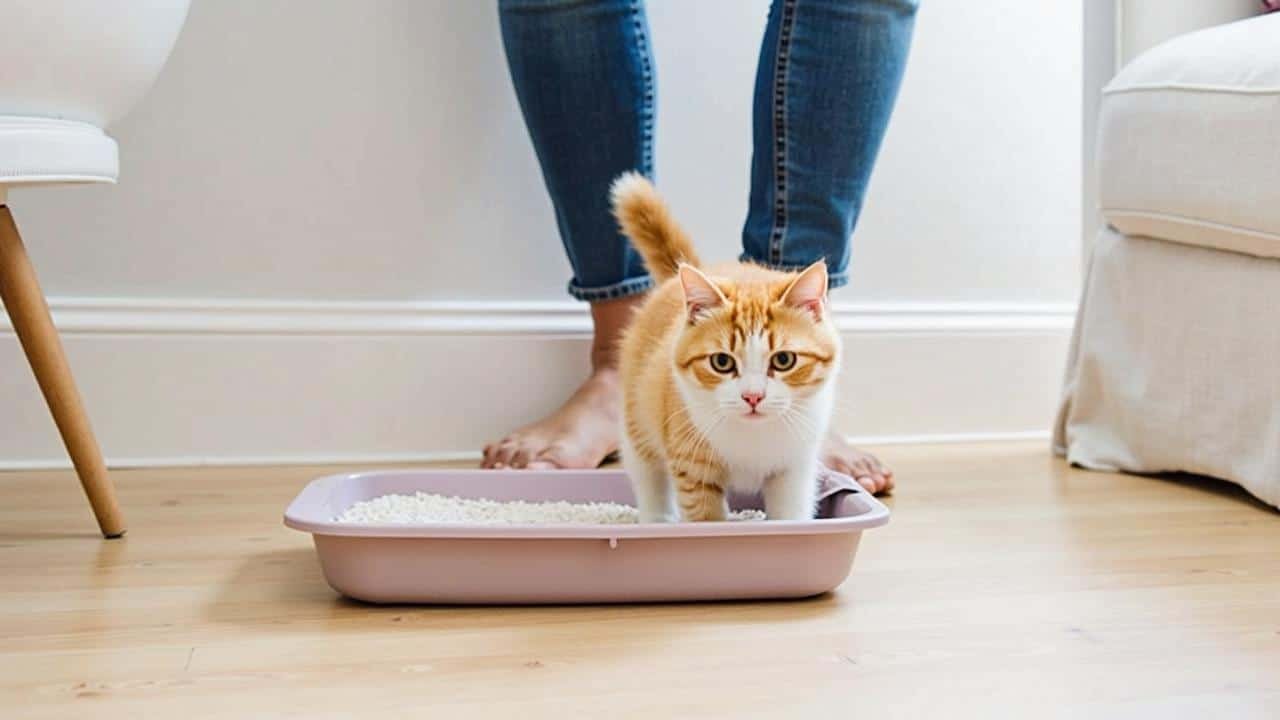
On a weekday morning in a small kitchen, the kettle clicks off. A cat pads past like a ghost, tail up, eyes set on the box tucked in a corner. The owner scoops, stirs, and smooths the litter in a slow, easy rhythm. The window opens a crack. A pinch of baking soda falls like snow. The scoop taps the rim once, twice. A charcoal filter on the lid gets a quick pat, the mat is shaken, the bag is tied. Two minutes, maybe three. Then coffee. Then messages. Midday comes and the apartment still smells like morning. The change feels almost invisible. Then the smell simply… didn’t show up.
The moment cat owners stopped “fighting” the smell
We’ve all had that moment when the air shifts and your home suddenly smells like a vet clinic. It’s not glamorous, and it can make you feel like you’re failing at something basic. That’s why the routine that actually works starts softly. Instead of a weekend blitz, it’s tiny daily moves that keep odor molecules from building in the first place. **It’s maintenance, not battle.** And it’s surprisingly satisfying once your hands learn the sequence.
One Brooklyn couple told me their turning point arrived after a work trip. They came home to a ripe box, cleaned it thoroughly, then tried a simple experiment: micro-scoops morning and evening, a shallow stir, and a once-a-week full refresh with a rinse and dry. No scented litter. No perfume plugins. After two weeks, they realized their living room stopped smelling like “cat.” Guests noticed nothing—and that’s the goal. The routine fit into the space between brushing teeth and tying shoes.

Here’s why the gentle approach clicks. Odor isn’t just about what’s there—it’s about time. When waste sits, ammonia off-gasses, and humidity helps it travel. Quick scoops remove the source before it broadcasts. A light stir exposes damp clumps to air so they dry and seal instead of smearing. A thin sprinkle of deodorizing powder neutralizes acids without overpowering. Ventilation dilutes what’s left. Each step is small, but together they cut the feedback loop that turns a box into a beacon.
The routine that keeps odor under control all day
Think “touch-and-go,” not “deep clean.” Morning: scoop clumps, slow stir, smooth the surface flat so new waste doesn’t tunnel to the bottom. Add a teaspoon of baking soda across the top—not mixed in—so it acts like a filter. Shake the mat to catch stray grains. Crack a window or run the fan for five minutes. Evening: repeat the scoop-and-smooth. Once a week, empty, rinse the box with warm water, dry thoroughly, and rebuild a 7–8 cm bed of fresh litter. **Depth matters more than fancy fragrances.**
A few friendly guardrails help. Keep a covered bin and liners right next to the box, so scooping isn’t a scavenger hunt. Swap scented sprays for enzyme cleaners around the box baseboards—they break down, they don’t mask. If you use a lid, swap in a fresh charcoal filter every month, or go lid-free with a higher-sided pan to boost airflow. Let’s be honest: nobody really does that every day. Miss a session? Do the next one. This routine survives real life because it’s light.

Small habits make the air feel safer, for you and the cat. Cats prefer low drama around their toilet, which helps them use it consistently and keeps mess predictable. *This is a five-minute kindness, not a scrub-down.*
“When owners slow the routine and keep it gentle, ammonia spikes drop and stress drops with it,” a feline behavior consultant told me. “Odor control isn’t a product. It’s a rhythm.”
- Morning and evening: scoop, stir, smooth.
- Thin sprinkle of baking soda on the surface.
- Brief ventilation burst—window or fan.
- Weekly full refresh and dry box reset.
- Monthly charcoal filter swap or lid-free airflow.
What changes when this becomes normal
The first week feels like you’re learning choreography. By week two, you’ll notice the air stays neutral after lunch. By week three, the box looks fresher between scoops, and your cat spends less time pawing at the edges looking for a clean spot. **Your space stops negotiating with the smell.** Friends walk in and comment on the light, not the litter. You start to forget the sprays you used to buy.
| Point clé | Détail | Intérêt pour le lecteur |
|---|---|---|
| Light, repeatable routine | Scoop, stir, smooth twice daily; weekly reset | All-day odor control without heavy effort |
| Air and absorbency | Surface baking soda, brief ventilation, proper litter depth | Neutralizes smell before it spreads |
| Design for ease | Bin and scoop nearby, enzyme cleaner, charcoal filter | Makes consistency almost automatic |
FAQ :
- How many times should I scoop per day?Twice works for most homes—morning and evening. If you have two or more cats sharing, add a quick midday pass.
- Is baking soda safe in litter?Used lightly on the surface, it’s generally safe and effective. Avoid dumping large amounts or mixing deeply so you don’t change the texture cats feel.
- Covered box or open?Open pans vent better, which helps with odor. Covered boxes can work if you keep airflow in mind and swap charcoal filters monthly.
- How deep should the litter be?About 7–8 cm (roughly 3 inches). Too shallow and odors bake into the base; too deep and clumps break under weight.
- What if the smell persists?Check for clumps stuck to corners, wash and dry the box weekly, and consider switching to a higher-absorbency litter. Persistent ammonia can signal a health issue—call your vet.