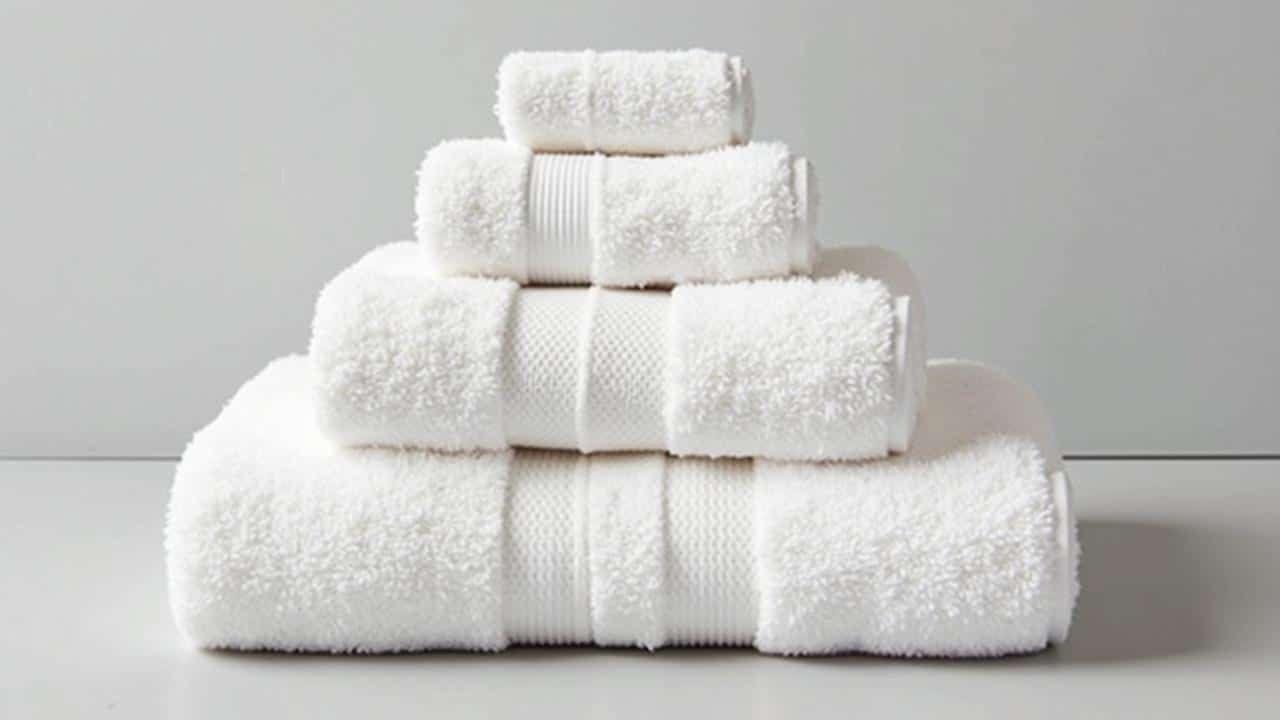
White towels don’t go gray in a day. They fade by a thousand small habits—too much detergent, softener every time, heat that cooks in body oils—until one morning they look tired. A quiet shift is spreading: a rinse-first laundry sequence that keeps whites bright for years.

The host, a nurse with two kids and a tired washing machine, laughed when I asked for her detergent brand. “It’s not the soap,” she said, rolling a towel with a snap. “It’s the order.” She walked me through a routine she learned from hospital laundry, then adapted for home—strangely simple, oddly specific, and not at all fussy. We’ve all lived that moment when a towel betrays us with a damp, gray hug. This flips the script. It starts with a rinse.
The quiet reason bright towels fade—and the quiet fix
When towels lose their sparkle, it’s rarely dirt alone. It’s residue. Detergent that never fully rinses. Minerals from hard water. Fabric softener clinging to cotton loops, making them feel plush while trapping grime. Put that cocktail through high heat and it sets like varnish. The trick many are switching to is a sequence that keeps soils moving out instead of melting back in. Start clean, wash smart, finish cool. That’s the whole energy. Simple, but it resets what your machine does with what you toss into it.
At a neighborhood laundromat in Leeds, I met a yoga teacher who keeps a stack of white towels for classes. She doesn’t chase brand-new brightness each week; she guards the brightness she already has. Rinse-only first to flush sweat salts. Soak warm with a spoon of enzyme powder on heavy days. Hot main wash with detergent plus a small scoop of oxygen bleach. Double rinse, the last one cold with a splash of clear vinegar. Low-heat dry. Her oldest towel is six years in and still gleams under the strip lights.

Why this order works is chemistry and timing. A rinse-first cycle removes loose soils before they meet hot water, which would otherwise fuse proteins to cotton. Enzymes—protease and amylase—break body oils and food smears at moderate temps, so the hot wash can actually clean instead of chase gunk. Oxygen bleach (sodium percarbonate) lifts stains without roughing up fibers like chlorine bleach. A cool final rinse drops the fabric’s pH so detergent doesn’t hang around. Heat at the end is measured, not punishing, which stops yellowing.
The sequence people swear by
Here’s the method, step by step. 1) Rinse-only cycle, no detergent, cool or warm water. This clears salts and loosens grit. 2) Optional 30-minute warm soak with an enzyme booster or a cap of enzyme detergent for heavy use towels. 3) Main wash hot—60°C/140°F if your labels allow—with your regular low-suds detergent and a small scoop of oxygen bleach. 4) Two rinses: first normal, second cold with 1/4 cup clear white vinegar to neutralize alkalinity and release dulling residue. 5) Dry low until just shy of done, then finish with air or a brief warm tumble. That’s it. *The secret isn’t a product; it’s the order you do things.*
Common pitfalls? Too much detergent is the big one; modern machines use less water and need less soap. Skip fabric softener on towels—softener gums the loops that make towels absorbent. If you really need plush, use wool dryer balls. Hard water is sneaky; if you see chalky film, add a water softener or use a detergent built for mineral-heavy water. A note on bleach: keep chlorine bleach rare and only on 100% cotton whites without colored borders, and never on the same cycle as vinegar. Let’s be honest: nobody really does that every day.

There’s also patience. Brightness isn’t a single wash miracle; it’s a weekly ritual that adds up. Think of it like brushing, not whitening strips.
“White towels don’t turn gray overnight; residue turns them gray wash by wash. Change the sequence and you change the outcome.”
- Rinse-first stops hot water from baking in grime.
- Enzyme soak handles body oils without scrubbing.
- Hot wash with measured detergent cleans, not perfumes.
- Cold final rinse resets pH and lifts leftovers.
- Low heat protects cotton and color tone from yellowing.
Real-life tweaks, real-life wins
If you share laundry with kids, roommates, or anyone tossing everything together, make the sequence foolproof. Leave a sticky note on the machine with five words: “Rinse – Soak – Wash – Rinse – Cold.” Pre-load vinegar into the softener slot for the last rinse, and keep the oxygen bleach next to the detergent, not the chlorine bleach. Once a season, run a “reset” on your towels: warm soak with washing soda, then hot wash and double rinse. It evicts months of buildup without drama.
Hard water changing the game? Blend in a scoop of water softener in the main wash, or switch to a detergent labeled for hard water. If your towels smell sour, that’s trapped bacteria—run one hot wash with oxygen bleach and an extra rinse, and dry completely. If edges have colored stripes, test vinegar on a corner first. Microfiber towels live by different rules: no fabric softener, no high heat, and skip bleach entirely. Your regular cotton bath towels thrive on this sequence; your specialty cloths need their own lane.
There’s a rhythm to it when it clicks. You’ll catch yourself folding towels that feel lighter in the hand, with that crisp “whoosh” of loops that aren’t weighed down. You’ll notice the dryer runs a little shorter because residue isn’t hogging the fibers. And one day, someone will ask if you switched brands. You didn’t. You switched habits.
| Point clé | Détail | Intérêt pour le lecteur |
|---|---|---|
| Sequence over products | Rinse-first, enzyme soak, hot wash with oxygen bleach, double rinse, low-heat dry | Replicable routine that keeps whites bright without chasing new detergents |
| Residue is the enemy | Detergent, minerals, softener and high heat bake into cotton loops | Clear target to fix graying and sour smells |
| Simple safety rules | Never mix vinegar with chlorine bleach; use oxygen bleach for routine whitening | Bright towels without risky chemistry or ruined linens |
FAQ :
- Can I use chlorine bleach on white towels?Yes, but sparingly and only on 100% cotton whites without colored borders. Never in the same cycle as vinegar or acids. For weekly care, oxygen bleach is gentler and just as effective over time.
- Does vinegar really make towels brighter?In a cold final rinse, vinegar lowers pH and helps release residual detergent and minerals. That leaves cotton clearer and less stiff. Skip it if you used chlorine bleach earlier in the load.
- What if my water is very hard?Add a water softener in the main wash or pick a detergent formulated for hard water. This reduces mineral film that dulls whites and makes rinse-outs cleaner.
- How often should I run a “reset” wash?Every 2–3 months, do a warm enzyme soak, then a hot wash with oxygen bleach and a double rinse. If towels see heavy gym or pool use, monthly resets help.
- Will this damage my towels or reduce absorbency?No. Skipping fabric softener and drying on low protects loops, and the sequence preserves absorbency by clearing residue rather than masking it.