People have started naming it on Reddit threads and neighborhood chats, and it’s not the food scraps you can see. It’s the habit you repeat without thinking, every single night, right after the last ping of the cycle. The stink is built into the way we finish the wash.

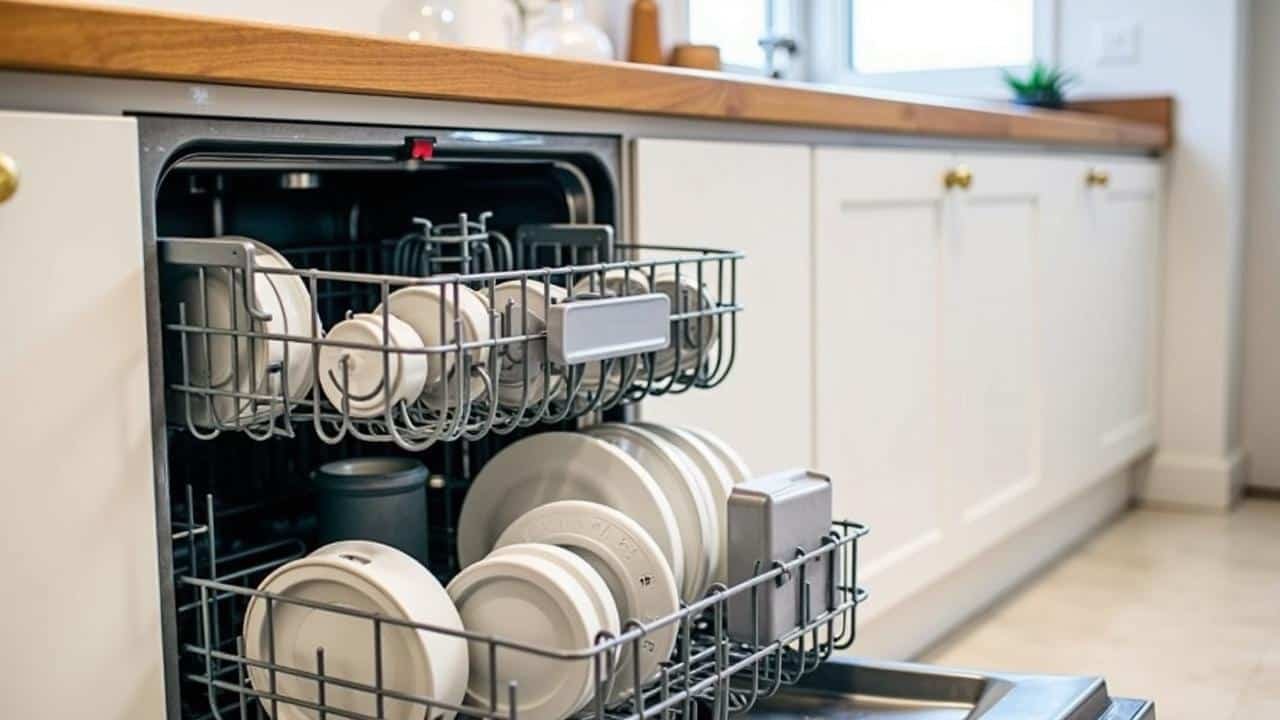
The kitchen was soft with steam, the kind that fogs a window and makes the room feel kind. The dishwasher chimed, the door snapped shut by reflex, and the lights went dark. In the morning, the smell hit first—warm, stale, faintly fishy, like a dish sponge left in a lunchbox. I watched a neighbor crack her DW door and wave a dishtowel like a flag, laughing at herself because she knew better. She just forgot. We all do. The culprit is a tiny, automatic move.
The tiny habit that turns a clean cycle into a swamp
Here’s the pattern: the wash ends, the tub is hot, humidity is high, and the filter is holding a thin stew of fat and crumbs. Then the door gets pushed shut. That seals a warm, wet box with food smells and no fresh air. The machine doesn’t re-vent on its own. **The smell problem is often a closed-door problem.**
Take Maya, who swore her dishwasher hated her. Every cycle, same swamp note by breakfast. She’d tried new pods, lemon peels, TikTok hacks, even a different brand of salt. Nothing stuck. One weekend she ran a “sanitize” cycle at night and, on a whim, left the door cracked the width of a fork. The morning air smelled like…nothing. Two weeks later, same routine, same result. That tiny gap changed everything.

There’s a simple logic behind it. Odor-causing bacteria and biofilm thrive where water sits and oxygen doesn’t. A closed door traps vapor, and that condensation clings to the tub, racks, and gasket, feeding smell. Short, cooler eco cycles add to the problem by leaving more residue, because oils loosen but don’t fully dissolve. Overdosing detergent can make it worse, coating surfaces so grime sticks instead of rinsing. Add a filter that rarely sees daylight and you’ve got a recipe for funk.
Break the stink cycle in one afternoon
Start with a reset. Pop out the filter and wash it under hot soapy water for 60 seconds, then wipe the mesh and the little sump below with a cloth. Clear spray-arm holes with a toothpick. Run a cup of white vinegar on the top rack on a hot cycle, then sprinkle a handful of baking soda across the tub and run a short hot rinse. **Leave the door slightly open for 20–30 minutes after the last rinse.**
Next, change two small habits. Run the sink hot for 15 seconds before you start a load, so the first fill isn’t lukewarm. Scrape plates, don’t pre-rinse to a shine, because enzymes work better with a little residue to chew. Choose a hotter cycle once a week. Measure detergent—aim small with soft water and skip gel formulas if smells keep coming back. Let the machine breathe between loads. Let yourself breathe too. Let’s be honest: nobody polishes a door gasket every day.

We’ve all had that moment when you open the door and get a blast of “what died in there,” and it’s weirdly personal. It feels like the machine is judging your life choices. Give it air, heat, and a quick clean, and it forgives fast.
“Most odor complaints aren’t broken machines,” says a veteran repair tech I spoke with. “They’re closed doors, cool cycles, and filters that never see a sink.”
- Crack the door after each cycle to vent steam.
- Clean the filter weekly; it’s a one-minute job.
- Use a hot or sanitize cycle at least once a week.
- Run the sink hot before starting the dishwasher.
- Go light on detergent and skip constant pre-rinsing.
A fresher machine, a quieter kitchen mind
A dishwasher is a tiny climate. Heat, moisture, and time either clean or sour, depending on one habit at the end. When you stop sealing in steam, the tub dries, the gasket stays fresher, and the filter doesn’t stew. It’s not a miracle trick buried in a manual. It’s a breath of air where there wasn’t one before. **Odor-free dishwashers come from airflow, heat, and a clean filter—nothing fancy.** Your kitchen feels calmer when the machine fades back into the quiet. Share the door-ajar trick with a friend who’s given up on citrus pods and mystery cleaners. The simplest fix is usually the one our hands forgot to try.
| Point clé | Détail | Intérêt pour le lecteur |
|---|---|---|
| Vent the door after cycles | Leave it ajar 20–30 minutes to release steam | Stops the warm, sealed environment that breeds odor |
| Clean the filter fast | Rinse under hot water; wipe the sump weekly | Removes trapped fats and crumbs before they sour |
| Use strategic heat | Run sink hot first; choose a hot/sanitize cycle weekly | Dissolves residue and dries the tub more completely |
FAQ :
- Why does my dishwasher smell right after a cycle?Warm, sealed moisture plus tiny food residues create a low-oxygen pocket where odors bloom. A closed door traps that air and lets it linger.
- Is vinegar safe for dishwashers?Yes in moderation. A cup on the top rack during a hot cycle helps cut film. Don’t pair vinegar with chlorine bleach or bleach-based cleaners.
- How often should I clean the filter?Weekly for busy households, biweekly for lighter use. It’s a 60-second rinse that prevents most smell build-up.
- Do I need special detergents to stop odors?Not usually. Use the right dose for your water hardness, avoid constant gel formulas if residue persists, and run a hotter cycle regularly.
- Does pre-rinsing help or hurt?Scraping is helpful; heavy pre-rinsing can reduce enzyme action and waste water. Let the machine do the work, then give it air at the end.