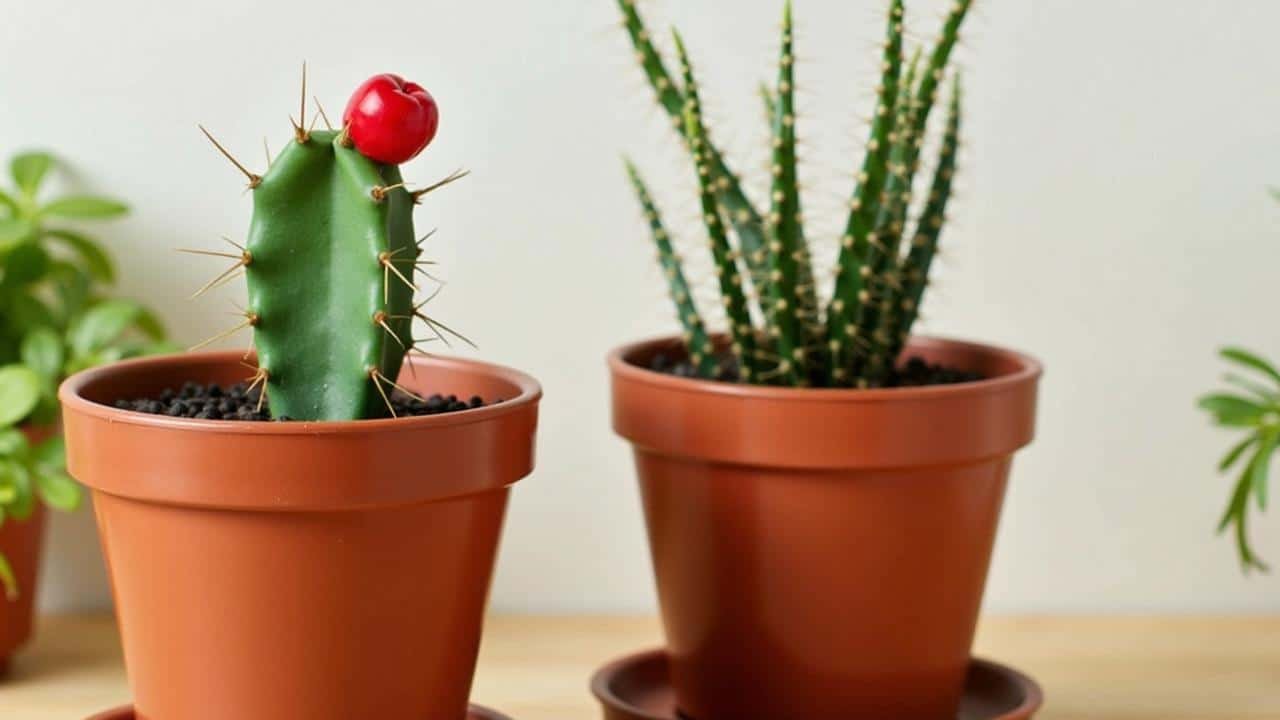
Many growers tweak light and watering, while a viral shortcut keeps making the rounds.

That shortcut is sugar water. It sounds friendly and festive, but plants don’t read trends. Your Christmas cactus wants biology, not syrup.
Sugar water: myth vs. plant biology
Christmas cacti make their own sugars through photosynthesis. Those sugars move inside the plant where cells can use them. Poured into the pot, sugar changes the rules around the roots.
High sugar in the soil shifts water movement. Roots can struggle to take up moisture and nutrients when the soil solution turns concentrated. That stress stunts growth and delays buds.

Sweet soil also feeds microbes you did not invite. Fungi and bacteria bloom faster than your plant. They compete for oxygen in the pot and can trigger root rot. The smell and stickiness attract ants and fungus gnats. None of that ends with more flowers on the mantel.
Sugar belongs inside leaves, not in the pot. Feed light and timing, not syrup.
What your Christmas cactus really needs to bloom
Light and darkness
Christmas cactus sets buds when days shorten. Aim for about 12 to 14 hours of darkness for four to six weeks in early autumn. Keep it away from street lamps and late-night lamps. Indirect light during the day is best. Direct sun can scorch segments and cause buds to abort.
Cooler nights

Cool nights help. Target 55 to 65°F at night with days near 65 to 70°F. Warm rooms delay bud set. A spare room or a north-facing window helps the plant read the season.
Watering and humidity
These are tropical epiphytes, not desert cacti. They like steady moisture, not soggy soil. Water when the top inch feels slightly dry. During bud set and bloom, do not let the root zone fully dry. Low humidity can trigger bud drop. A tray of pebbles with water under the pot can raise humidity without wet feet.
Soil and potting
Use a fast-draining, airy mix. A blend with pine bark, perlite, and peat or coco coir keeps roots oxygenated. Repot every two to three years, or when roots circle the pot and water runs straight through. Choose a snug pot; oversized containers stay wet too long and invite rot.
Feeding timeline
Hold fertilizer while buds form and open. Feed in spring and summer when new segments grow. A balanced, dilute fertilizer every four to six weeks supports growth. Ease back in late summer to signal the season change.
Blooming comes from signals: short days, cool nights, gentle moisture, and an airy mix. Hit those, and buds follow.
Practical schedule for buds by December
- Late August to mid-September: Reduce feeding. Keep bright, indirect light.
- Mid-September: Start long nights. Give 12–14 hours of uninterrupted darkness daily.
- October: Keep nights cool. Water when the top inch is nearly dry, not bone dry.
- When buds appear: Stop moving the plant. Fluctuations and drafts can cause buds to drop.
- Holiday period: Maintain indirect light, steady moisture, and avoid heat vents.
Myth vs. method at a glance
| Do this | Skip this |
|---|---|
| Provide 12–14 hours of darkness for 4–6 weeks | Leave under bright room lights late at night |
| Keep nights between 55–65°F | Park next to a heat vent or fireplace |
| Water when top inch is almost dry | Soak daily or let the pot go bone dry |
| Use airy, fast-draining mix | Use heavy garden soil |
| Feed in spring and summer only | Fertilize while budding and blooming |
| Repot when rootbound | Upsize to a large pot “for later” |
| Compost or lightly mix used coffee grounds into potting soil, sparingly | Pour sugar water into the pot |
What about coffee grounds?
Used coffee grounds contain small amounts of nitrogen and organic matter. Mixed into a larger batch of potting mix or compost, they can improve structure. Keep the portion low, about 10% or less of the blend, to avoid compaction and acidity swings. Do not mound fresh grounds on top of the soil. That layer can mat, shed water, and keep stems damp, which invites rot.
Troubleshooting common bloom problems
Buds form, then fall
Check for sudden drafts, heat bursts, or a move across the room. Buds drop after shocks. Dry air and a missed watering can also trigger drop. Keep conditions stable until flowers open.
Flat, pale segments
Segments that look thin and pale point to too much sun or nutrient gaps. Shift to bright, indirect light. Resume light feeding in spring. Inspect roots for rot if the pot stays wet for days.
Soft, mushy base
That signals overwatering or compacted soil. Trim away rotten parts with a sterile tool. Let the cuts callus for a day. Replant healthy segments in fresh, airy mix and water lightly until new roots grow.
Why sugar water keeps trending
People love quick fixes. Sugar water feels intuitive because plants use sugar. The catch is location. Plants build and move sugar internally. Soil biology works on water, minerals, and gases. When sugar hits the pot, microbes and osmotic stress take the wheel.
Extra pointers for stronger shows next year
Try a gentle prune in late spring. Pinch the ends of a few segments to branch the plant. More tips can mean more blooms the following winter. Rotate the pot a quarter turn every few weeks outside of budding season to balance growth.
Consider a simple mix you can blend at home: two parts high-quality potting mix, one part fine bark, one part perlite. This structure holds moisture yet drains fast, which suits epiphytic roots. If you use tap water with high salts, flush the pot once a month with plain water. Salt buildup can edge tips and reduce bloom count.