Still, smart coffee habits beat sheer enthusiasm.

Daily caffeine can help or hinder, depending on dose, timing, and the way you brew. Science offers clear guardrails, and a few quiet surprises about what really makes a difference.
What coffee does for your body in moderate doses
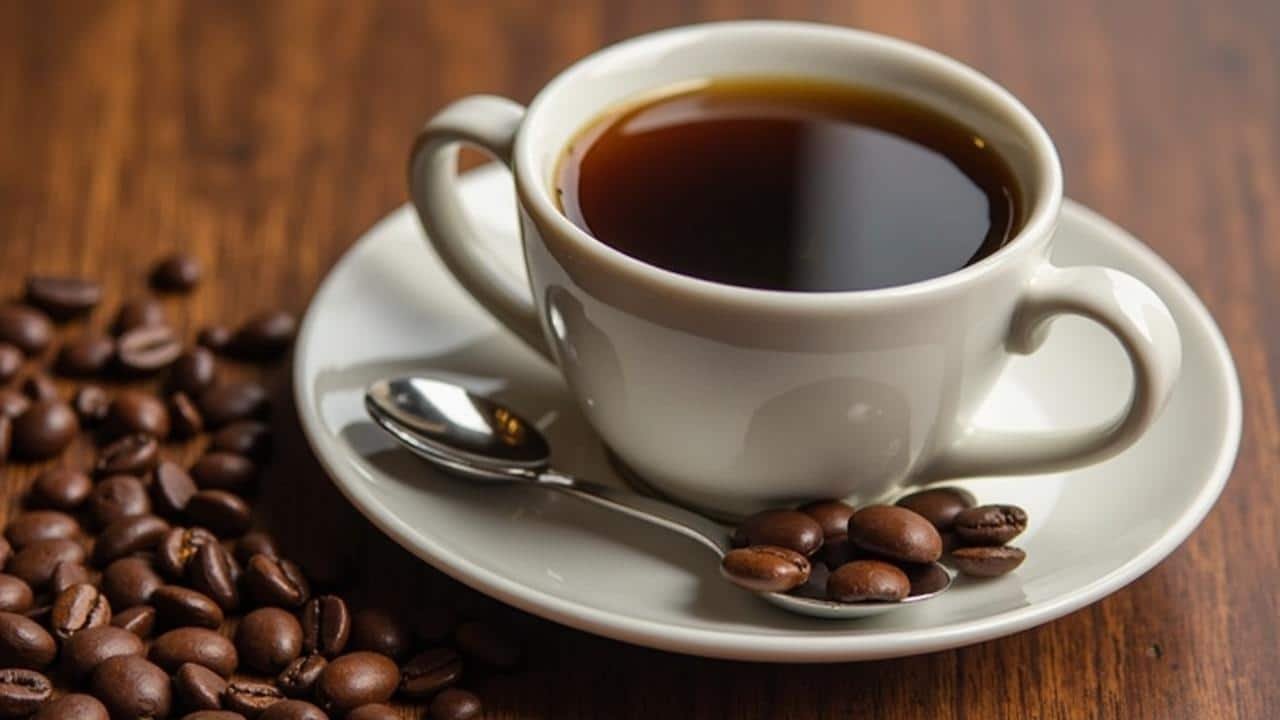
Moderate coffee intake delivers polyphenols, plant compounds that act as antioxidants. Large population studies link regular coffee drinkers with lower rates of cardiovascular and metabolic diseases. The mechanism likely involves reduced oxidative stress and small, favorable shifts in inflammation and insulin sensitivity.
Caffeine adds a different edge. It blocks adenosine receptors, easing fatigue and sharpening attention. Observational research ties habitual, moderate intake to lower all-cause mortality, though this pattern sits within a broader healthy lifestyle for many drinkers.
Moderation unlocks coffee’s perks: antioxidant support, cleaner alertness, and fewer downsides for sleep, blood pressure, and digestion.

How much caffeine is considered safe
For most healthy adults, up to 400 milligrams of caffeine per day is the standard upper limit. That usually equals about four to five 8‑ounce (240 ml) cups of brewed coffee, depending on strength. The number shifts once you count caffeine from tea, cola, yerba mate, energy drinks, and pre‑workout powders.
Some groups need lower ceilings. During pregnancy, aim for no more than 200 milligrams per day. Adolescents should keep intake low and avoid energy drinks because sleep and brain development are still in play.
Think in milligrams, not mugs: “four cups” can range from 250 mg to 600 mg depending on beans, grind, and brew method.

What counts as a cup?
Brewing method and serving size change the math. Espresso is small but concentrated; drip is larger but less dense. Instant tends to run lower per serving. Use this as a practical reference:
| Beverage | Typical serving | Approx. caffeine |
|---|---|---|
| Filter/drip coffee | 240 ml (8 oz) | 80–140 mg |
| Espresso | 30 ml (1 oz) | 60–75 mg |
| Americano (2 shots) | 240 ml (8 oz) | 120–150 mg |
| Instant coffee | 240 ml (8 oz) | 60–90 mg |
| Black tea | 240 ml (8 oz) | 40–70 mg |
| Energy drink | 250 ml (8.4 oz) | 70–120 mg |
The method matters: filtered, instant, and bean varieties
Filtered coffee (paper filter) traps diterpenes such as cafestol and kahweol. These compounds can raise LDL cholesterol when consumed in high amounts. If you drink several cups daily and track cholesterol, paper‑filtered brews help keep lipids steadier.
Unfiltered methods like French press, Scandinavian boiled coffee, and some espresso styles let more diterpenes through. That does not make them “bad,” but it can matter for people with borderline or high LDL.
Instant coffee typically contains fewer antioxidants and can include additives. It offers convenience and a lighter caffeine punch, which suits some people late morning or early afternoon.
Bean genetics play a role. Robusta carries more caffeine and a bolder bitterness. Arabica is gentler in caffeine and often preferred for all‑day sipping. A 50/50 blend can balance flavor and stimulation.
For cholesterol‑conscious drinkers, paper‑filtered coffee is the simplest upgrade with measurable impact.
Signs you’ve had too much and when to pause
Everyone has a personal tolerance shaped by genetics, medications, and sleep. Pay attention to early cues and dial back before they snowball.
- Jitters, racing heartbeat, or palpitations after a cup.
- Restlessness, anxiety spikes, or difficulty relaxing.
- Trouble falling asleep or waking at night.
- Acid reflux, stomach discomfort, or urgency.
When these show up, stop caffeine for the day, hydrate, and eat a balanced snack. If symptoms repeat at low doses, consider switching to half‑caf or decaf, and shift your last caffeinated cup earlier.
Who should go lower
Some people benefit from tighter limits or medical advice:
- Pregnant individuals and those trying to conceive: keep under 200 mg daily.
- Adolescents: avoid large doses and all energy drinks.
- People with panic disorder, insomnia, reflux disease, or uncontrolled hypertension.
- Those with cardiac arrhythmias or chest pain after caffeine.
- Anyone on medications that raise caffeine levels (for example, certain antibiotics or antifungals).
Practical ways to stay within a healthy range
Small shifts keep your ritual intact without tripping your nervous system or your sleep.
- Set a cut‑off time. Most people sleep better when they avoid caffeine within 6–8 hours of bedtime.
- Right‑size your cup. Many home mugs hold 12–16 oz; count them as 1.5–2 cups.
- Alternate with water or herbal tea to limit “accidental” sipping.
- Choose paper‑filtered brews if cholesterol runs high.
- Try Arabica or half‑caf beans for a lighter lift.
- Pair coffee with food to soften digestive upset and jitters.
Timing, metabolism, and why caffeine hits people differently
Caffeine’s half‑life averages about five hours, but it ranges from three to nine. A noon latte can still circle your brain at 8 p.m. Genetics influence this spread; fast metabolizers clear caffeine quickly, while slow metabolizers feel the same dose longer and harder.
Nicotine speeds caffeine breakdown, which can mask high intake. Common drugs like ciprofloxacin slow clearance, which can turn a normal dose into a jumpy afternoon. Track your personal response and adjust your schedule rather than copying a friend’s routine.
Beyond coffee: stacking adds up fast
Your total for the day includes hidden sources. Energy shots, pre‑workouts, soda, and dark chocolate often nudge people past their limit, especially on busy days.
- Pre‑workout powders: 150–300 mg per scoop, sometimes more.
- 16‑oz energy drink: 150–240 mg.
- Cola: 30–50 mg per 12 oz.
- Dark chocolate (50 g): 30–60 mg.
Mixing caffeine with alcohol masks fatigue but not impairment. The combo raises risk‑taking without improving coordination. Keep them separate.
Decaf, half‑caf, and smarter swaps
Decaf still contains small amounts of caffeine, usually 2–7 mg per cup. It works well after lunch or with dessert. Half‑caf blends give a softer rise with fewer sleep consequences. Cold brew often tastes smoother yet can be caffeine‑dense; treat it like strong drip unless labeled otherwise.
A quick day plan
Here is a simple pattern that keeps most adults under 400 mg while preserving the pleasure:
- 7:30 a.m.: 1 mug filter coffee (120 mg) with breakfast.
- 10:30 a.m.: 1 espresso or small Americano (70–120 mg).
- 1:00 p.m.: tea or half‑caf (40–80 mg), if needed.
- After 2:00 p.m.: switch to decaf or herbal.
If you want to cut back without headaches
Reduce by 50–75 mg every two to three days. Swap one regular cup for decaf, then shrink serving sizes. Withdrawals peak within 48 hours and fade within a week. Hydration, light exercise, and a steady sleep schedule shorten the rough patch.
Four to five small cups per day suits many healthy adults. The right number for you is the dose that energizes mornings and leaves your nights calm.