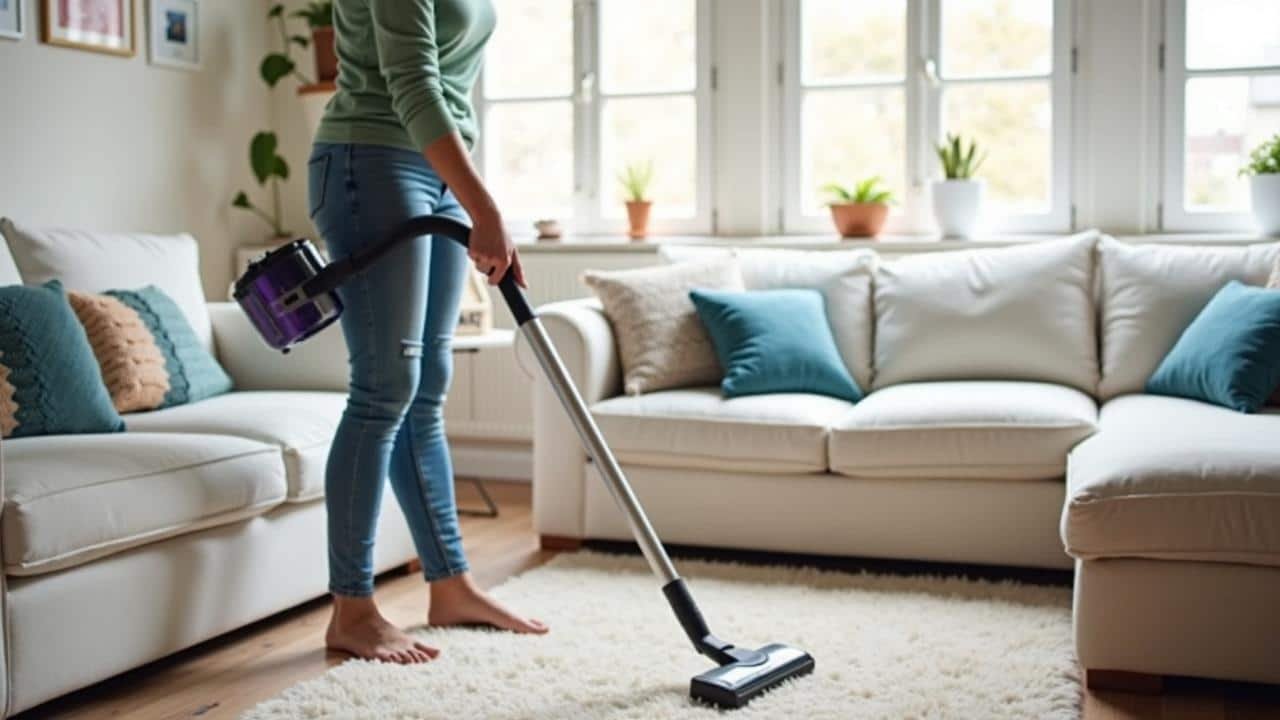
The lines on the carpet look perfect. And yet the room still smells… dusty, like a sun‑warmed attic that someone stirred with a stick.
You empty the canister, light a candle, maybe crack a window for five minutes. It helps for a moment, then the scent drifts back like a shy guest who refuses to leave. Cleaners say there’s a reason that has nothing to do with you being sloppy.
It’s hiding in places the vacuum wakes up, not wipes out.
On a recent afternoon I watched a living room go from cluttered to photo‑ready in twenty minutes. The vacuum thrummed, the dog huffed, the dust pan stayed stubbornly clean. Then the air shifted. *The room looks new, but it still smells like yesterday.*

The pro cleaner I was shadowing paused, nose tilted, and smiled like she’d heard this story before. She pointed at the filters, then at the curtains, then at the heat vent clicking on. The dust wasn’t in the carpet at all.
Why your home still smells dusty after vacuuming
Cleaners will tell you the smell isn’t always dirt, it’s movement. Vacuuming stirs fine particles from fabric, vents, and hidden ledges, then warms them with motor heat and pushes them into your nose’s front row. It’s not the dust you see—it’s the dust you can’t.
Take Jade, who cleans twenty homes a week and keeps a tiny brush in her apron just for vent grilles. She’ll vacuum a spotless rug and still catch that papery, sun‑on‑old‑book note. Then she pops the canister, and the inside smells like a dryer lint trap after a long day. She says most “dusty” rooms have one recurring culprit: a clogged filter that turns the vacuum into a scent diffuser.
Here’s the boring science the nose notices first. Dust is mostly skin flakes, fabric fibers, pet dander, and oils that hang onto little odor molecules. When you vacuum, the beater bar and airflow lift those micro bits and send them flying. Warmth speeds up the odors. If the vacuum isn’t sealed with a fresh HEPA filter, the finest particles ride the exhaust back into the room, especially when the bag or bin is already full.
The fix: reset the air, not just the floor
Pros use a simple, repeatable sequence. Start by opening two windows on opposite sides for a quick cross‑breeze, even in winter for five minutes. Dust high to low with a slightly damp microfiber so particles stick, not float. Then vacuum slowly with a HEPA machine—two passes each lane—edges first with a crevice tool. Empty the bin outdoors and wipe its inside with warm water plus a drop of dish soap. Rinse and dry removable filters; swap HEPA filters on schedule, not vibes.
Skip the perfume approach. Scented sprays and carpet powders mask and often gum up filters, which makes the dusty smell worse later. Wash the smell out of the soft stuff: throw pillow covers, throws, and curtains that can handle a gentle cycle. Pop sofa cushions into sunlight for an hour. We’ve all had that moment when clean looks done, but the air still feels old. Let the air move, and fabrics will let go.
Let’s be honest: nobody really does that every day. That’s fine. The trick is to pick a rhythm you’ll keep: a weekly “air reset,” a monthly vacuum spa day, and a seasonal textile wash. Dusty air doesn’t mean dirty habits—it means your home is breathing, and you’re helping it breathe better.
“Odor is an air problem, not a carpet problem,” says Maya L., a housekeeper who swears by cross‑ventilation and filter maintenance. “Move the air, clean the filters, wash what holds scent. The room will tell you when it’s right.”
- Swap or wash vacuum filters before they look gray.
- Dust ceiling fans, tops of frames, and vents before vacuuming.
- Launder curtains, pillow covers, and throws every season.
- Wipe vent grilles and inside returns; replace HVAC filters regularly.
- Mop hard floors after vacuuming to trap what fell back down.
- Keep indoor humidity around 40–50% to discourage stale odors.
Make the clean last
The best homes don’t smell like pine or flowers; they smell like nothing. That’s what pros aim for: neutral air, cleared of the “old” notes that hang around where we sit, shed, cook, and live. It feels small when you crack a window, wash a filter, or shake out a curtain on the porch. The difference is quiet but real.
If you treat vacuuming as the final step, the dusty smell lingers. Treat it as the middle step—after a high‑to‑low wipe and a short burst of fresh air—and the room reads differently. The sofa doesn’t sigh when you sit. The hallway doesn’t whisper attic. Ventilation beats perfume.
And yes, some days you’ll just do the fastest pass before dinner. That’s life. On the days you have ten extra minutes, do the reset. Teach the house a new rhythm so the clean look and the clean smell arrive together. Your nose will thank you first, then your shoulders drop. That’s when “done” finally feels done.
| Point clé | Détail | Intérêt pour le lecteur |
|---|---|---|
| Air movement matters | Cross‑ventilate for 5–10 minutes before and after vacuuming | Clears stirred particles instead of recirculating them |
| Filter discipline | Clean washable filters monthly; replace HEPA filters on schedule | Stops the vacuum from becoming a dust diffuser |
| Soft‑surface reset | Launder curtains, pillow covers, and throws seasonally | Removes odor reservoirs your vacuum can’t fix |
FAQ :
- Why does my room smell dustier right after I vacuum?Vacuuming stirs fine particles from fabrics, vents, and high ledges. Warm exhaust can carry those micro bits back into the room if filters are clogged or not HEPA.
- How often should I change or wash my vacuum filters?Rinse washable pre‑filters about once a month, and replace HEPA filters per the maker’s timeline or when odor and fine dust return quickly. If you vacuum daily or have pets, shorten the cycle.
- Will a HEPA vacuum fix the smell on its own?It helps a lot, but it isn’t magic. You still need to dust high‑to‑low, wash textiles, and ventilate so the vacuum isn’t chasing fresh clouds.
- Could the “dusty” smell be mold?Musty smells lean earthy or damp and often show up near bathrooms, basements, or leaks. A dry, papery odor that pops after vacuuming is usually dust resuspension and warm exhaust, not mold.
- What’s the fastest fix before guests arrive?Open two windows for five minutes, wipe visible ledges with a damp microfiber, vacuum slowly with a clean filter, and close with a quick mop on hard floors. It’s a mini air reset without the laundry.