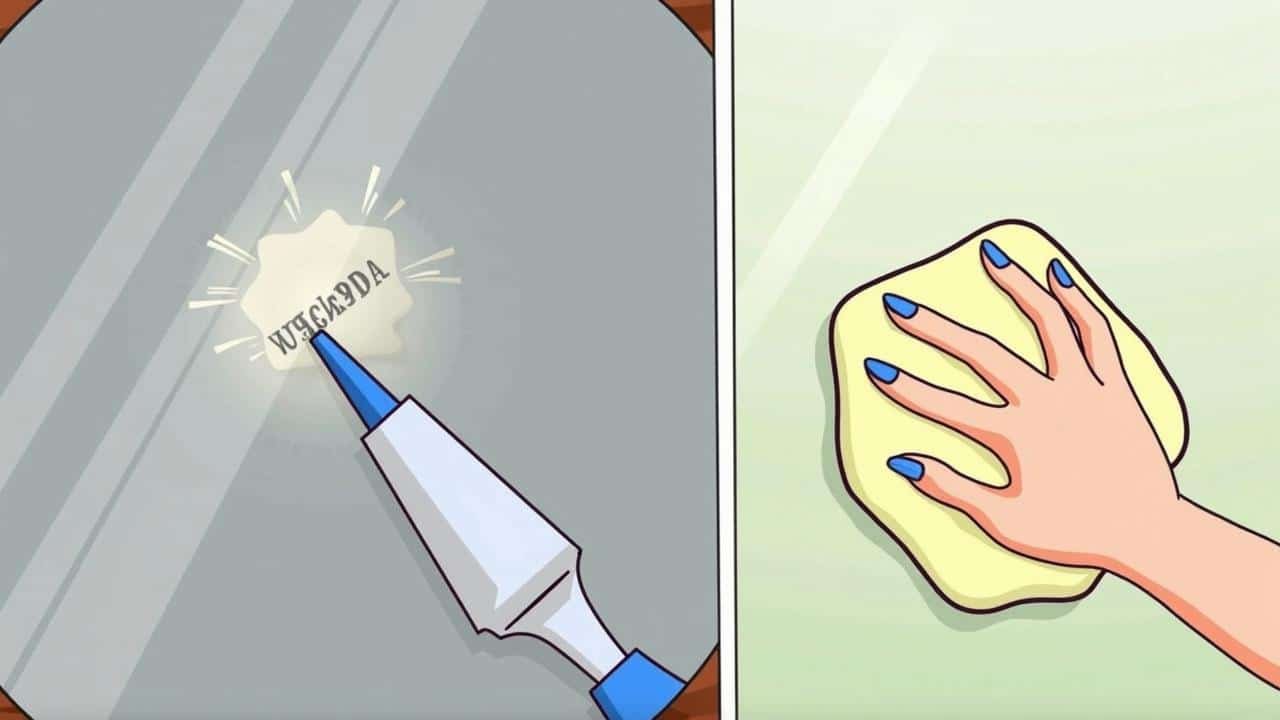
Streaks catch the light, fingerprints smirk back, and the glass never feels truly clear. Cleaners swear by an old trick that cuts through that haze with almost no effort, using something you probably already have in the house. It sounds too simple to be real, which is exactly why it works.

It’s early. Bathroom light on, kettle starting to hum, and that bathroom mirror is wearing the day before like a coat: misted corners, toothpaste freckles, a pale film you only notice when you lean in. I watched a cleaner in an old brick apartment crumple a sheet of yesterday’s paper and spritz a whisper of vinegar onto the glass. Two passes, maybe three. The room seemed to sharpen. You could see the grout lines more clearly, even the tiny hairline crack in the tile that no one talks about. The whole space felt lighter. The paper does the magic.
Why this “old trick” still beats fancy sprays
Every mirror has a thin film of life on it: soap residue, skin oils, the invisible mist from hot showers. Most sprays push that around. Newspaper fibers are tight and slightly abrasive in a gentle way, so they lift that film instead of smearing it. The ink doesn’t transfer to the glass, and the paper doesn’t shed lint the way paper towels do.
I met Mae, a cleaner who’s been doing pre-move spruce-ups for twenty years. She doesn’t carry glass cleaner, just a small bottle of white vinegar, a splash of rubbing alcohol, and a stack of newspapers folded by habit. “It’s the only thing that doesn’t leave whisker lines,” she said, moving fast in practiced S-strokes. One bathroom took three minutes, tops. A hallway mirror, even less. She handed me the crumpled sheet—light as air—and the reflection stared back like new.

There’s a simple logic to it. Vinegar dissolves alkaline film from soap and hard water deposits, and a few drops of alcohol help spots evaporate cleanly. Newspaper’s cellulose fibers and clay coating help polish without scratching or linting. You’re not drowning the glass, you’re breaking down residue and buffing a micro-thin layer to clarity. That’s why the “old” method feels quick: it works with the material, not against it. **Vinegar breaks the film that causes streaks.** The newspaper finishes the job.
The exact method cleaners keep using
Mix a 1:1 solution of white vinegar and distilled water in a spray bottle. If you have stubborn dots—hair spray, toothpaste—dab them first with a little rubbing alcohol on cotton. Mist the mirror lightly and wipe in wide S-shapes with a crumpled sheet of newspaper, working top to bottom. Flip to a dry section and do a final polish. *It takes less than two minutes.*
Use less liquid than you think. Over-spraying leaves drips that dry into streaks, and circular scrubbing just moves grime around. Work with fresh newspaper as soon as the current piece feels damp, and avoid touching the glass again with your hands. Keep liquid away from wood frames and backing. We’ve all had that moment when steam fogs everything and you’re tempted to grab the nearest towel—don’t. **Stop flooding the glass; use a mist.** Let the method do the heavy lifting.
“Paper towels are soft but lazy; newspaper is firm but kind,” Mae told me, laughing. “It actually picks up the haze. The shine stays longer.”

- What you need: white vinegar, water, rubbing alcohol (optional), spray bottle, newspaper.
- Where it shines: bathroom mirrors, hallway glass, wardrobe doors, vanity tops.
- Quick wins: spot-treat with alcohol, mist lightly, polish dry with fresh paper.
- Avoid: soaking the edges, glossy magazine pages, stained wood frames.
- Pro move: finish with a clean, dry microfiber on the edges for a crisp border.
Small tweaks, long-lasting clarity
You can adapt the trick to your routine and still get that crisp, streak-free finish. If you dislike the vinegar scent, add a strip of lemon peel to the bottle for a mild, clean note. Coffee filters also polish without lint if you’re out of newspaper. For daily smudges, a dry microfiber pass keeps the shine between deeper cleanings. **Newspaper leaves zero lint and pulls the haze off fast.** It’s a five-second favor to your morning.
Let’s be honest: nobody does this every single day. Time slips, steam builds, and mirrors collect life like they always do. When you finally make a move on it, go light and precise. Two passes with a dry section at the end often outperforms five minutes of rubbing with the wrong cloth. If your tap water is hard, stick with distilled water in the mix so minerals don’t redeposit in faint arcs as it dries.
There’s also the anti-fog bonus. A pea-sized dab of classic shaving cream, wiped on then buffed off with newspaper, leaves a thin layer that resists steam for a few days. It won’t feel sticky, and it won’t fog as fast after hot showers. Use it sparingly, only on the glass, and skip ornate frames. You’ll find that edges you once ignored suddenly matter, the room looks brighter, and the mirror stops stealing your time in the morning.
| Point clé | Détail | Intérêt pour le lecteur |
|---|---|---|
| Vinegar + newspaper combo | Dissolves film, polishes without lint | Faster shine with fewer passes |
| Light mist, not a soak | Top-to-bottom S-strokes with dry finish | Prevents drips and streak lines |
| Smart add-ons | Spot-treat alcohol, optional anti-fog shaving cream | Longer-lasting clarity after hot showers |
FAQ :
- Will newspaper ink stain my mirror or hands?On glass, no. Modern inks don’t transfer to glass in a noticeable way, and any trace lifts as you polish. If ink marks your fingers, it washes off with soap and water.
- What if I don’t have white vinegar?Use a 50/50 mix of distilled water and isopropyl alcohol for a quick, streak-free clean. It flashes dry fast and handles toothpaste dots well.
- Can I use this on tinted or antique mirrors?Test a tiny corner first. Skip soaking edges or backed areas, and never let liquid creep under the frame. For delicate antique silvering, stick to a barely damp microfiber.
- Why do my mirrors streak with paper towels?They shed lint and push a thin soapy film around. The fibers are soft but not polishing. Newspaper or coffee filters leave a tighter, cleaner finish.
- How often should I clean a bathroom mirror?A quick dry wipe every few days keeps it steady. A proper vinegar-and-newspaper clean once a week makes the glass stay clearer longer and takes less than two minutes.