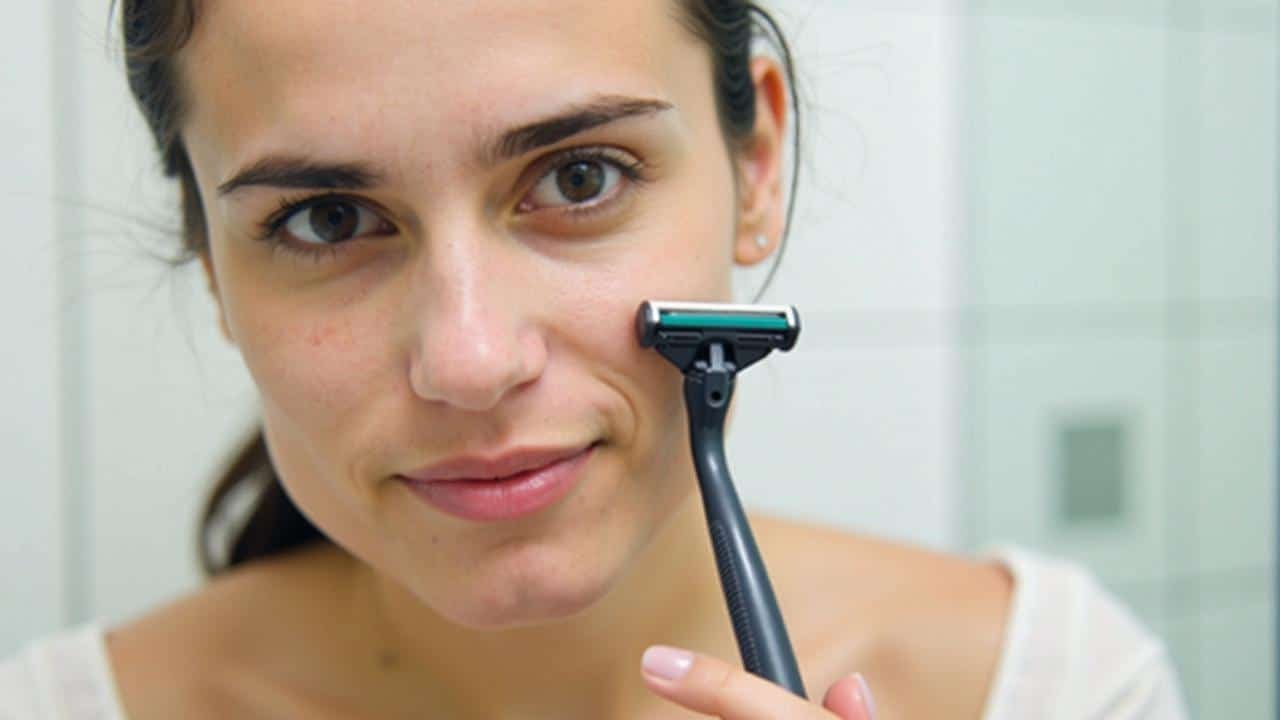
It’s fighting water, soap residue, and the slow creep of corrosion every time you leave it on the sink. That’s why it feels great on day one, scratchy by day five, and ready for the trash barely a week later. Here’s the quiet hack barbers have known for years: a single drop of oil can keep blades gliding long past their usual expiration date. Not magic. Just better care.

The bathroom was still fogged from the shower, and the mirror drew a finger-width path through the mist. I remember the tug first—small, annoying, then unmistakable. The razor had turned from a friend into a tiny rake in just a handful of shaves. Later that week, an old-school barber pulled a bottle from a drawer and touched the cartridge with a drop that looked like nothing. He gave me a look that said, You’ll see. I did.
The silent enemy of razor edges
We think blades go dull only from cutting hair. True, shaving wears edges down. Yet most of the damage happens after you put the razor down. Water sits in the tight corners, minerals crystallize, and oxygen invites tiny blooms of micro-rust right along the finest part of the edge. That raw, invisible pitting is what makes a fresh blade feel “grabby” by midweek. The edge hasn’t just rounded. It’s roughened.
We’ve all had that moment when the blade seems fine at first pass, then starts to tug around the jawline. On a hunch, I ran a simple test for a month: two identical cartridges, same soap, same beard, one stored dry with a drop of oil each time. The oiled one stayed comfortable nearly three times longer, logging 16 relaxed shaves before I felt any pull. The unoiled twin began scratching at eight. Not a lab trial. Just real life at 7:10 a.m.

What’s really happening is basic chemistry meeting delicate geometry. Razor edges are ridiculously thin—sharpened to a microscopic apex that lives or dies by surface condition. Left wet, chloride and carbonate residues nibble at that apex, creating pits you can’t see but your skin definitely feels. Oil lays down a hydrophobic film, pushing out water and oxygen, and reducing metal-to-air contact. This tiny film is doing the heavy lifting.
How to use one drop of oil properly
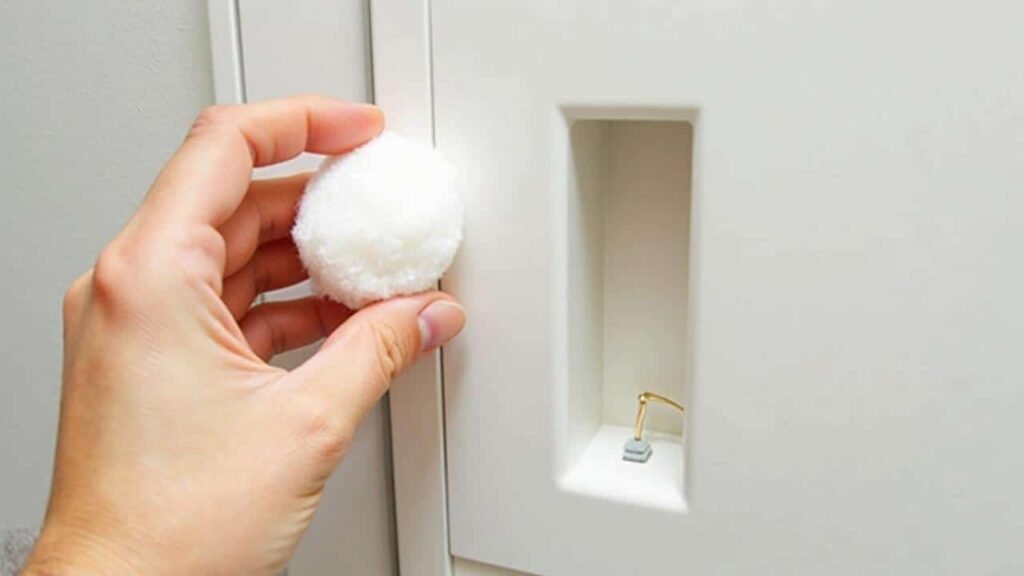
Rinse the razor thoroughly with warm water to clear lather and hair. Flick it sharply a few times, then give it 10 seconds of air or a quick dip in rubbing alcohol to help water evaporate. Add one small drop of mineral, clipper, baby, or camellia oil along the edge, then gently drag the cartridge face-down across a tissue to spread a whisper-thin coat. Store it upright or on a dry ledge away from steam.
Most mistakes come from going heavy-handed or picking the wrong oil. Cooking oils can gum up and turn sticky over time, which ruins the glide. Keep it minimal—really a film, not a puddle—and wipe the blade with a tissue before your next shave. That removes dust and any extra oil so the first stroke feels clean. Let’s be honest: nobody really does this every day. If you’re rushed, do it every second or third shave and you’ll still notice a big difference.

Here’s what pros repeat when nobody’s pitching products: consistency beats intensity. A spotlight-bright routine isn’t necessary.
“Steel hates moisture more than it hates hair,” a barber in Queens told me, tapping a bottle of clipper oil. “Give it a barrier, and it’ll thank you with extra weeks.”
- Use neutral oils: mineral, baby, clipper, camellia. Skip olive and coconut unless you clean often.
- Optional but helpful: quick alcohol dip to displace water before oiling.
- Keep it tiny: a drop per cartridge, a fingertip-smear for safety razors.
- Store out of the shower. Steam is the enemy.
- Wipe before shaving to prevent any residue from dulling the first pass.
Why this tiny step changes everything
The longer your edge stays smooth, the smoother your skin stays. No yanking, fewer micro-cuts, less post-shave sting. Your blade’s factory coating lasts longer because it’s not corroding between uses. That calm first stroke across the cheek on day ten? That’s the oil quietly paying rent. What used to feel like a steep drop-off becomes a slow fade, which means you change blades because you want perfect, not because you can’t stand the scrape.
There’s also the math. Cartridges are pricey, safety razor blades less so, yet both add up across a year. Keeping each one functional for even double the usual shaves is real money. Multiply that by a household and you’re stacking savings without changing your shave gel or your razor brand. And it’s not just cash. Fewer discarded cartridges means less plastic in the bin, less cardboard in recycling, and a routine that quietly respects the stuff you already own.
On the face of it, oil seems too simple. That’s the charm. You’re not sharpening steel or babying it like a collector’s knife. You’re preventing the kind of damage that happens when you’re not looking. You rinse, you dry, you leave a whisper of protection, and you walk away. The next morning, the blade greets your skin like it remembers how to behave. That easy glide feels like confidence. It also feels like **money saved, waste avoided**.
| Point clé | Détail | Intérêt pour le lecteur |
|---|---|---|
| Oil blocks moisture | A thin film displaces water and oxygen on the blade edge | Slows corrosion that causes early tugging |
| Right product, tiny amount | Use mineral/clipper/baby oil; avoid sticky cooking oils | Clean glide without gumming up cartridges |
| Quick post-shave ritual | Rinse, dry, optional alcohol dip, one drop of oil | Extends blade life 2–3× for many users |
FAQ :
- Can I use olive oil in a pinch?It works short-term, but it can oxidize and get sticky. Better to use mineral, clipper, baby, or camellia oil. If you do use olive oil once, wipe the blade before the next shave and clean it with warm water.
- Will oil clog a multi-blade cartridge?Not if you keep it tiny. One drop spread thin, then a quick wipe before shaving, keeps flow-through clean. Rinse under warm water between passes as usual.
- Do I need rubbing alcohol every time?No. It’s optional. Alcohol helps water evaporate fast and reduces residue. If you’re short on time, shake dry, oil, and go.
- Is oil safe for coated blades?Yes. It doesn’t harm PTFE or polymer coatings. Avoid solvent sprays like WD-40; stick to simple cosmetic or food-grade oils.
- How often should I oil the razor?After each shave is ideal. If that’s too much, aim for every second or third shave and store the razor away from steam.