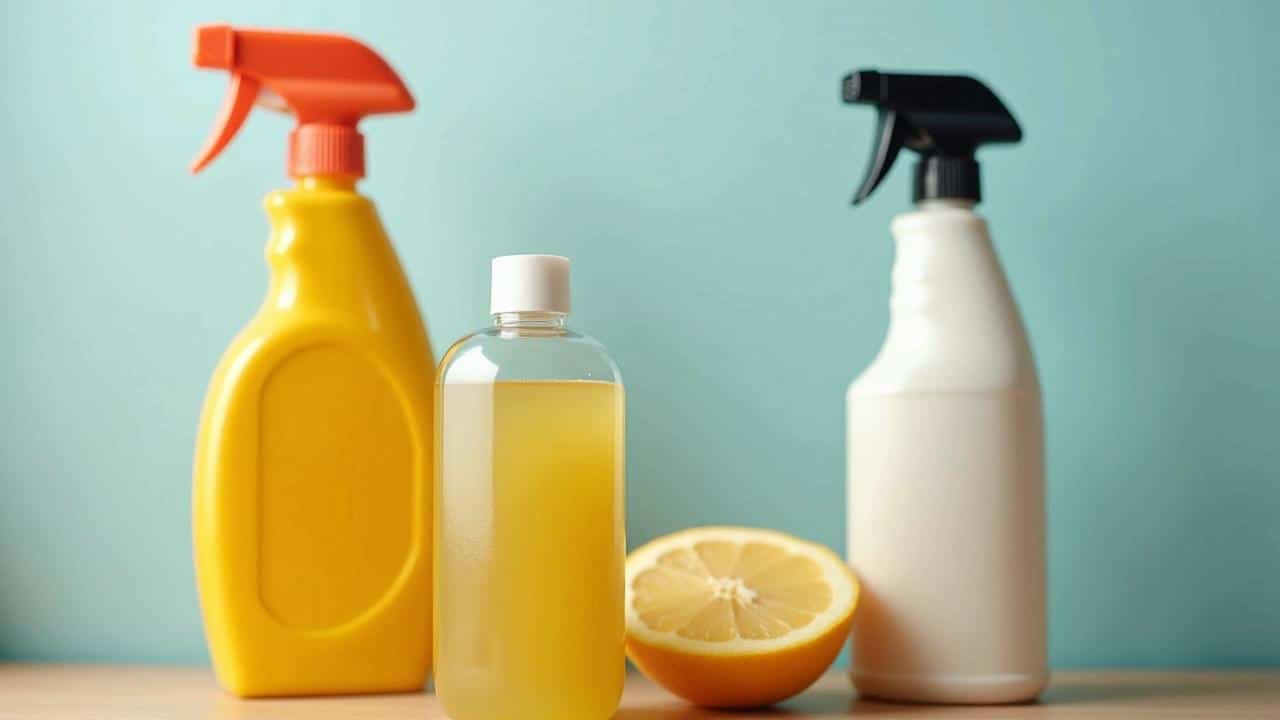
You know that distant, slightly chemical smell when you walk back into your home after a big “cleaning day”? The one that’s meant to signal “fresh” but actually smells like a swimming pool and a nail salon had a baby. We’ve been taught to trust that scent. Advert after advert has told us: if it stings your nose and makes your eyes water a bit, it must be working. Right?
The uncomfortable truth is that a lot of the bottles under your sink and sprays on your bathroom shelf are quietly messing with your air, your skin, and sometimes your hormones. Nothing cinematic, no instant collapse on the kitchen floor. Just headaches you blame on stress, that dry cough you assume is the weather, that itchy patch on your hand that never quite goes. And once you notice it, you can’t un-notice it. The question is: what on earth do you swap them for, without your home sliding into sticky chaos?
1. The “fresh” aerosol air freshener that’s anything but

A can of air freshener feels like a magic wand. Burnt toast? Teenager’s sports kit? That weird fridge smell that escaped? One firm press and the room is “meadow breeze” or “cotton sunrise”. The thing is, that “breeze” is usually a cocktail of volatile organic compounds (VOCs), synthetic fragrance blends and propellants turning your living room into a small, polite gas chamber.
We rarely connect our foggy head or scratchy throat to the lemon spray we blasted ten minutes earlier. Those chemicals hang in the air, cling to soft furnishings, ride the sunlight you’re so pleased to see streaming through the window. *You breathe them in as you make a cup of tea and wonder why you feel a bit off.* Children and pets are even closer to the ground-level fog, quite literally.
Swap the spray for real air and quiet scent
The most powerful replacement is the least glamorous: open a window. Ten minutes of real air exchange clears out smells instead of covering them with perfume and marketing. For stubborn odours, a small bowl of bicarbonate of soda in the offending area quietly absorbs smells without adding new chemicals to the room.

If you still crave a bit of scent, go for a diffuser with a few drops of high-quality essential oil in water, or a beeswax candle with no synthetic fragrance. Keep it occasional, not constant. Your home will smell less like an advert and more like… your home. And you might notice your head feels a little clearer at the end of the day.
2. The neon all-purpose cleaner that burns your nose
There’s a universal bottle every UK kitchen seems to have: neon liquid, harsh citrus or pine, claims to “kill 99.9% of bacteria”. We spray it across worktops, dining tables, sometimes even toys, because germs are the enemy and this is our armour. Yet many of these all-purpose warriors contain quats (quaternary ammonium compounds), harsh surfactants and synthetic fragrance that can irritate lungs and skin.
We’ve all had that moment when you lean over a just-cleaned counter and your nose stings a bit. You tell yourself that means it’s doing its job. But day after day, breath after breath, that harshness adds up. Let’s be honest: no one really rinses every surface again with water like the small print suggests.
A simple spray that actually lets you breathe

A very ordinary mix of white vinegar, water and a drop of washing-up liquid can replace most all-purpose cleaners. Fill a spray bottle with half vinegar, half water, add that tiny drop of soap, and you’ve got a degreasing, streak-busting cleaner that doesn’t feel like it’s pickling your lungs. The vinegar smell softens as it dries, especially if you throw in a few drops of lemon or lavender essential oil.
For stone worktops that hate acid, swap vinegar for plain warm soapy water or a gentle plant-based cleaner. Microfibre cloths also do half the job for you; they physically lift grime with less chemical help. Once you realise you can actually wipe your table without holding your breath, it’s hard to go back.
3. Scented laundry products that stay with you all day
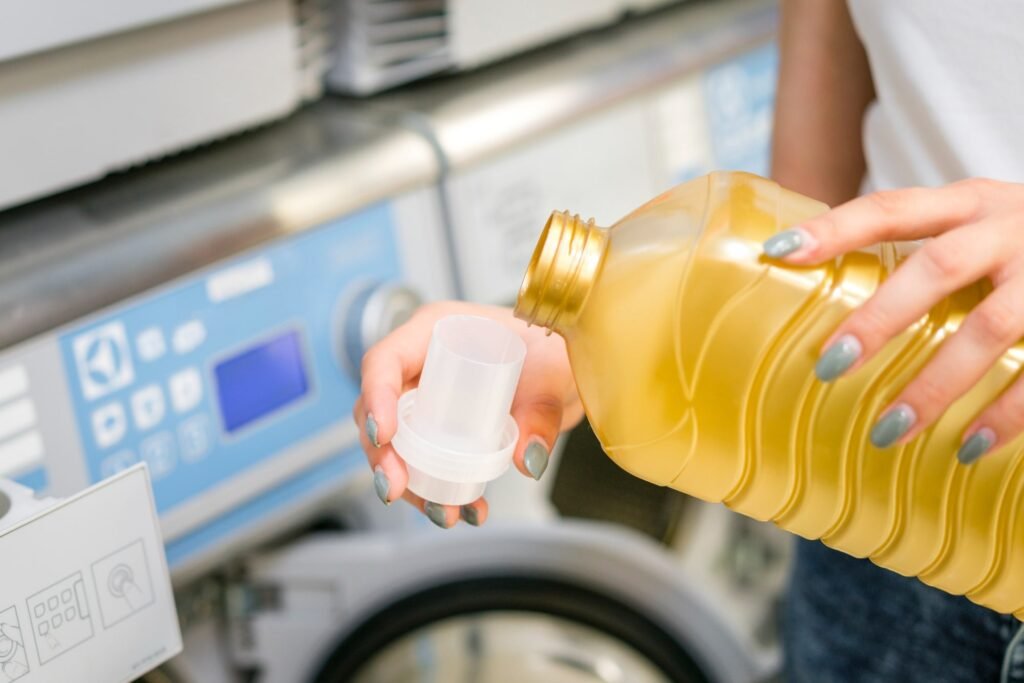
Laundry has become a full sensory experience. Scent beads, softeners, pods, perfumed sheets – we’re promised “long-lasting fragrance” that clings to our clothes for weeks. And it does cling. Straight onto your skin, into your nose and onto your pillow while you sleep. Those comforting smells are usually complex synthetic fragrances and preservatives that some people’s skin and lungs really don’t thank them for.
If you’ve ever had a mystery rash on your torso or that odd tight feeling in your chest when you climb into freshly washed bedding, your laundry routine might be whispering the answer. Clothes are in constant contact with the thinnest, most absorbent bits of your skin. Babies, people with eczema, anyone with asthma – they’re the ones who tend to show the reaction first. The rest of us just think we’re “a bit sensitive”.
Clean clothes without the perfume hangover
Switching to an unscented or fragrance-free laundry detergent is one of the easiest, most impactful swaps you can make. You still get clean clothes, they just don’t shout about it from three streets away. If you miss that “fresh” smell, hang washing outside when you can; nothing beats cold air and a bit of wind in the fibres.
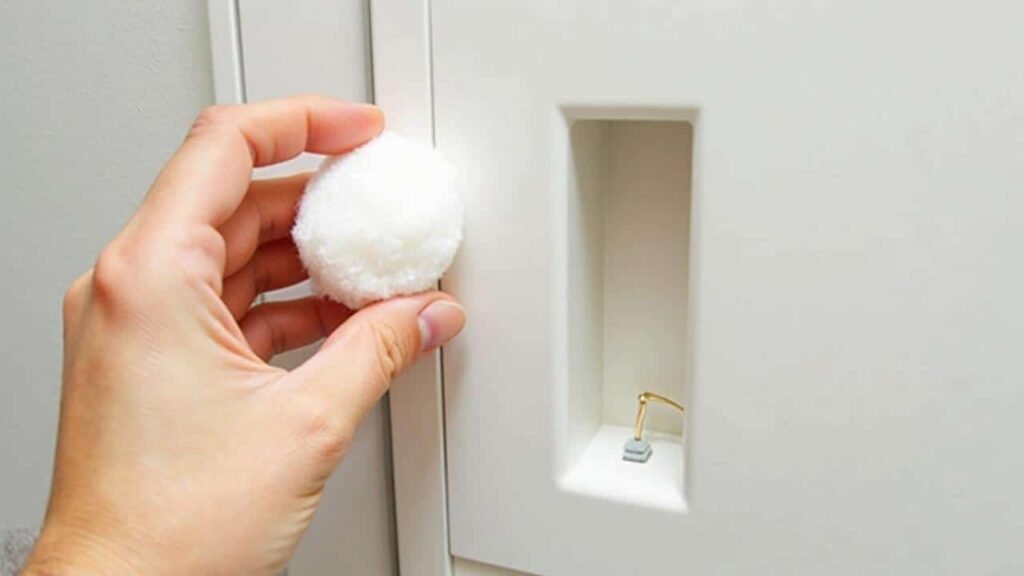
Fabric softener is often the biggest fragrance bomb, so try skipping it entirely for a month. Use wool dryer balls or a clean tennis ball in the tumble dryer to soften fabrics mechanically. A dash of white vinegar in the rinse drawer can also help with softness and remove detergent residue, without leaving your clothes smelling like a chip shop. After a couple of washes, that heavy perfume will fade from your wardrobe, and your skin might quietly breathe out in relief.
4. Oven and drain cleaners that smell like an accident waiting to happen
Oven cleaning is the chore we postpone until the glass door is an abstract painting. Then we cave, grab the strongest cleaner we can find, and hold our breath as we spray. Many conventional oven and drain cleaners are brutally caustic, designed to dissolve baked-on fat and hair. They also burn skin, irritate eyes, and release fumes that can feel like they’re sanding your throat from the inside.
Standing over a steaming drain full of chemical gel, listening to that faint hiss as it “works”, might feel satisfying. It’s also the moment those fumes rise straight up your face. Gloves, goggles, perfect ventilation – that’s the textbook advice. Let’s be honest again: no one really does this every time they unblock a sink at 10pm after another long day.
Slower, safer ways to deal with grime
For oven cleaning, patience is your new best friend. Sprinkle bicarbonate of soda generously over the inside, spray with water until it’s a paste, and leave it overnight. Next day, scrape and wipe; repeat on particularly stubborn bits. It’s messier, it takes time, but you’re not marinating your kitchen in corrosive fumes.
For drains, try the old-fashioned combo: pour in bicarbonate of soda, follow with vinegar, let it fizz, then flush with very hot water. A simple drain snake or small plumbing tool can also physically remove the gunk that chemicals only partially dissolve. If you face a truly monstrous blockage, a one-off professional or heavy-duty product might be necessary, but the goal is to make that the rare emergency, not the monthly ritual.
5. Bleach in every room, for every job
Bleach is the blunt instrument of cleaning. One sharp whiff and you instantly feel like you’re in a hospital corridor. For many of us, it’s become the answer to everything: toilets, floors, mould, even the occasional food surface despite the warnings. The problem isn’t that bleach has no use – it does – but that we use it like water, not like the serious disinfectant it actually is.
Bleach fumes can irritate your airways, especially in small bathrooms with poor ventilation. Mix it with the wrong thing (like acids or ammonia from other cleaners) and you can release genuinely dangerous gases. On top of that, splashes on skin, clothing and even your favourite bath mat are a quiet reminder that this stuff is far from gentle.
Keep bleach for emergencies, not every wipe
For day-to-day cleaning, soap and water or that gentle vinegar spray can handle almost everything you’re likely to encounter in a normal household. Most of the time you’re dealing with dirt, grease and everyday microbes, not a crime scene in need of forensic-level disinfection. Save bleach for specific jobs that really require it – for example, disinfecting after raw meat juice has spilled, or tackling serious mould (ideally with good ventilation and gloves).
When you do use it, dilute it properly, use it sparingly, and don’t mix it with other cleaners. Over time, you’ll probably find you reach for it less and less. Once you realise your bathroom still looks clean without the eye-watering smell, it becomes easier to let that big bottle live at the back of the cupboard instead of on the front line.
6. “Convenient” disinfectant wipes that never truly leave
Those plastic tubs or soft packs of wipes are like the Swiss army knife of modern cleaning. Spill on the table? Wipe. Dodgy-looking public loo seat? Wipe. Sticky hands in the car? Wipe. They promise quick hygiene with zero faff, so we use them by the dozen, then toss them away and try not to think about where they go next. Many are made of plastic fibres, soaked in antibacterial chemicals and fragrance, and they don’t just vanish when they leave your bin.
Beyond the environmental headache of wipes clogging sewers and floating in rivers, you’re also repeatedly smearing preservatives and biocides across surfaces you touch and sometimes eat from. The wipe feels damp and reassuring, but everything it leaves behind dries almost invisibly. Your fingers, children’s mouths, pets’ paws – all come into contact with that invisible film long after the wipe is in the bin.
Cloths, soap and a little bit of effort
For most wipe-worthy mess, a simple cloth and warm soapy water does the job just as well, and you can wash and reuse the cloth dozens, even hundreds of times. Keep a small stack of old tea towels or cut-up T-shirts in a drawer as “sacrifice cloths” for the truly awful spills. A quick rinse, a spin through the washing machine, and they’re ready to go again.
You can also make your own “grab-and-go” cleaning pads by keeping a jar with reusable cloth squares soaked in a diluted vinegar or gentle cleaner solution. When they’re used, chuck them in a wash bag and launder. No plastic, far fewer chemicals on your fingertips, and far less guilt every time you hear that crinkly packet open.
The quiet relief of clearing the toxic clutter
None of these swaps will turn your life into a Pinterest-perfect eco fantasy. You’ll still have crumbs under the toaster and that mysterious thing behind the fridge you’re refusing to identify. But replacing the harshest, most fragranced products with simpler alternatives shifts the background of your home in a way you can feel. The air gets a little less sharp, your skin a bit less angry, your cleaning cupboard a bit less like a science lab.
You don’t need to bin everything tomorrow. Pick one item that bothers you the most – maybe the overpowering air freshener or the laundry softener that lingers for days – and trade it for something gentler. Then see how your space feels after a week. Sometimes the biggest change isn’t what you add to your home, but what you quietly take away and never quite miss again.