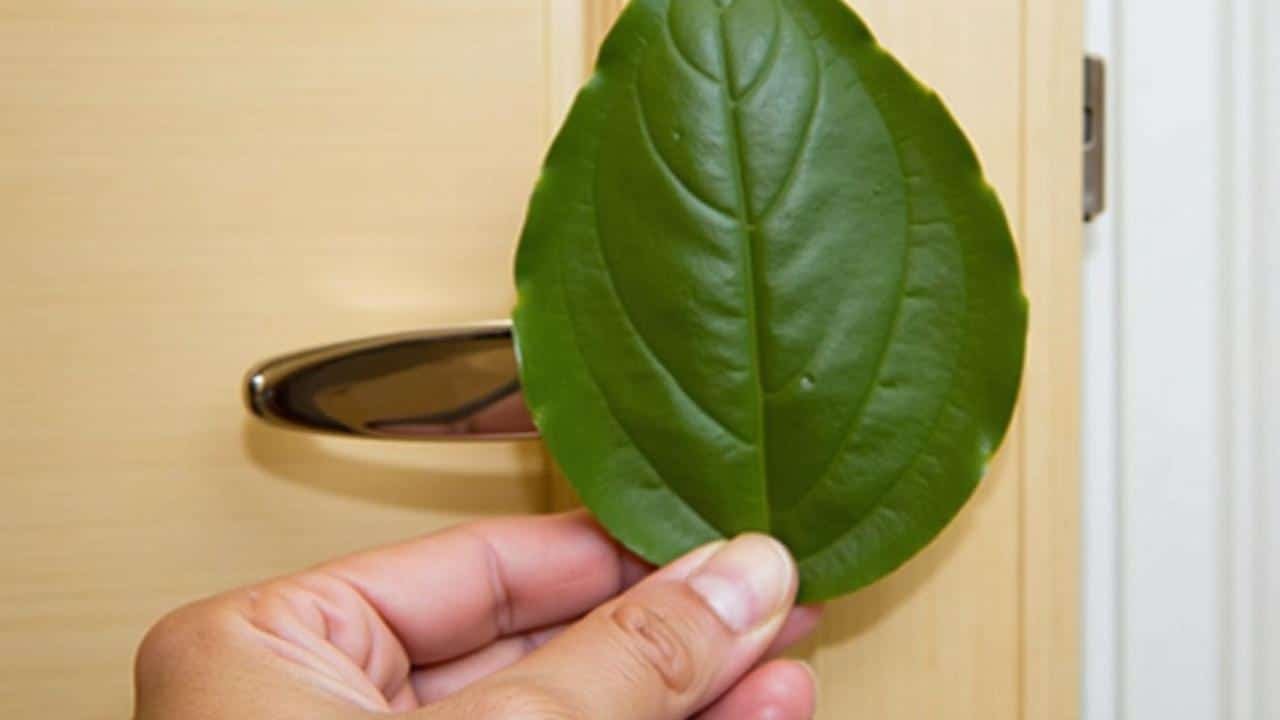
Homes are getting creative.

One humble herb keeps popping up in conversations: the bay leaf. Not in the stew, but sitting quietly by the door, on the sill, or tucked near vents. The idea is simple—use the plant’s scent to nudge pests away from your entry points. Does it stack up, and how do you try it without wasting time or money? Here’s a clear-eyed look.
Why a bay leaf at the door
Bay laurel (Laurus nobilis) leaves carry aromatic oils that many insects dislike. Families in the Mediterranean have long used dried leaves in cupboards to discourage weevils and moths. The same logic moves the leaves to thresholds and windows in warm months, when ants, flies and roaches start sniffing around for food and moisture.
Position a few dried bay leaves where pests choose a path—door frames, window tracks, air bricks, bin areas and under-sink gaps.

The goal isn’t to fumigate your home. It’s to create a scented “speed bump” that makes pests change course. The effect is modest but real for certain species, especially when combined with clean surfaces and sealed food.
The scent science, briefly
Bay leaves contain volatile compounds such as eugenol, 1,8-cineole and linalool. Laboratory tests on plant oils with similar chemistry show repellency against cockroaches, ants, pantry moths and mosquitoes for limited periods. Whole leaves release far less aroma than concentrated oils, so the effect won’t match a spray. Yet near a doorway, that gentle, consistent scent can help tip the odds.
Freshness matters: replace dried leaves every 7–10 days, or when they lose their fragrance.

Cracking the leaves before placing them boosts scent in the short term. Don’t crush them into dust; you’ll only make a mess and reduce longevity.
How to try it at home
You don’t need a bouquet. A handful of leaves and a few minutes can set your home up for sticky weather.
- Wipe entry zones first. Clear crumbs, mop sticky spots and empty bins.
- Place 2–4 leaves on the floor side of each door, tucked along the frame or behind a doorstop.
- Add 1–2 leaves on outer-facing window sills and inside tracks.
- Slip a couple behind the bin, near pet bowls and under the sink.
- Replace weekly, or sooner after a deep clean or heavy rain near doors.
Boost it with these small upgrades
Bay leaves work best as part of a simple stack of measures that make your home less inviting.
- Fit door sweeps and fine-mesh window screens.
- Switch porch bulbs to warm or yellow LEDs, which attract fewer flying insects.
- Run a fan by seating areas; mosquitoes struggle in moving air.
- Store fruit in the fridge and dry pet bowls overnight.
- Seal sugar, flour and cereals in airtight containers.
What to expect on results
Think of bay leaves as a nudge, not a forcefield. Many households report fewer ants scouting along thresholds and less interest from roaches in bin areas. Flying insects respond less consistently because air currents disperse scent quickly. If you live in a high-infestation zone or a ground-floor flat with gaps in brickwork, the impact will feel smaller without basic proofing.
No single trick removes pests on its own. Use scent, sealing and hygiene together to cut numbers sharply.
If you spot heavy activity—droppings, nest material, multiple roaches by day—call a licensed professional. Herbs won’t solve an entrenched problem behind walls or under floors.
Bay, mint, lavender or clove? A quick comparison
| Plant or product | Most useful against | Where to place | Refresh rate | Notes |
|---|---|---|---|---|
| Bay leaves (dried) | Ant scouts, pantry pests, roaches near bins | Doors, windows, cupboards, under sink | 7–10 days | Low cost, gentle scent; works best near paths |
| Whole cloves | Flies in kitchens, pantry moths | Window sills, spice drawers | 10–14 days | Strong aroma; can stain damp surfaces |
| Lavender sachets | Clothes moths, light fly deterrence | Wardrobes, by windows | 2–4 weeks | Best enclosed; refresh by squeezing |
| Mint cuttings | Ants and flies | Doorsteps, kitchen counters | 3–7 days | Use fresh stems in small jars of water |
Safety and common mistakes
- Check the plant: true culinary bay is Laurus nobilis. Don’t use mountain laurel or cherry laurel leaves, which are toxic.
- Keep leaves away from pets that chew. Whole leaves are tough and can be a choking risk.
- Avoid essential oils on floors where children crawl or pets walk. If you use oils, keep them on cotton pads inside lidded jars with pinholes.
- Don’t place dried leaves near open flames, candles or heat sources.
- Asthma or scent sensitivity? Test a single leaf in one room first.
Why doors and windows matter most
Most household pests follow scent trails, pressure changes and light leaks. Doors and windows gather all three, plus tiny gaps under frames. Bay leaves add a layer of sensory confusion right where scouts decide to come in. That little delay often buys you enough time for a door to close, or for an ant trail to break before it reaches the sugar jar.
Simple test you can run this week
Pick a back door that ants like. Clean the threshold. On day one, place no leaves and count ants crossing a 30 cm strip for 15 minutes at midday. On day two, repeat with four cracked bay leaves tucked along the frame. On day three, replace with mint stems. Record the counts. You’ll see which scent shifts behaviour in your space, with your local species.
Growing your own bay for the season
Bay laurel grows well in a pot on a balcony or a bright kitchen. Choose a 25–30 cm pot with drainage, use a loam-based compost and water when the topsoil dries. Trim lightly and dry the leaves flat on a tray for two weeks before storage. Home-dried leaves hold scent for months in a jar, and you’ll always have a fresh batch for the next heatwave.
When to switch from herbs to hardware
Herbs help with light pressure—the odd scout or a few flies. For persistent issues, step up to proofing: silicone sealant for gaps, brush strips on letterboxes, fine mesh over vents, lidded bins and a dehumidifier in damp rooms. These upgrades cut attractants and entry routes in a way that scented plants can’t match.
Bay leaves are the nudge. Proofing is the lock. Use both and summer guests tend to stay outside.
Extra tips for a calmer summer
For mosquitoes on patios, pair a fan with low-smoke candles and sit upwind of planters. For fruit flies, set a shallow dish with cider vinegar and a drop of washing-up liquid near the fruit bowl at dusk. For gnats from houseplants, let soil dry between waterings and top pots with a thin layer of sand.
If you like a neat system, set a small reminder on your phone to refresh leaves each Sunday evening. It takes two minutes, and your doorways stay quietly defended as temperatures rise.