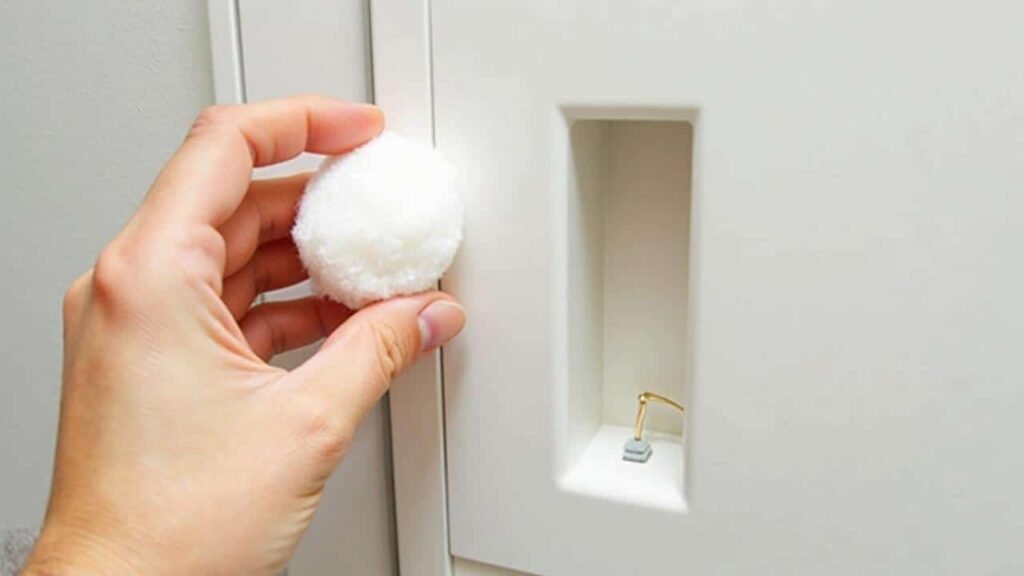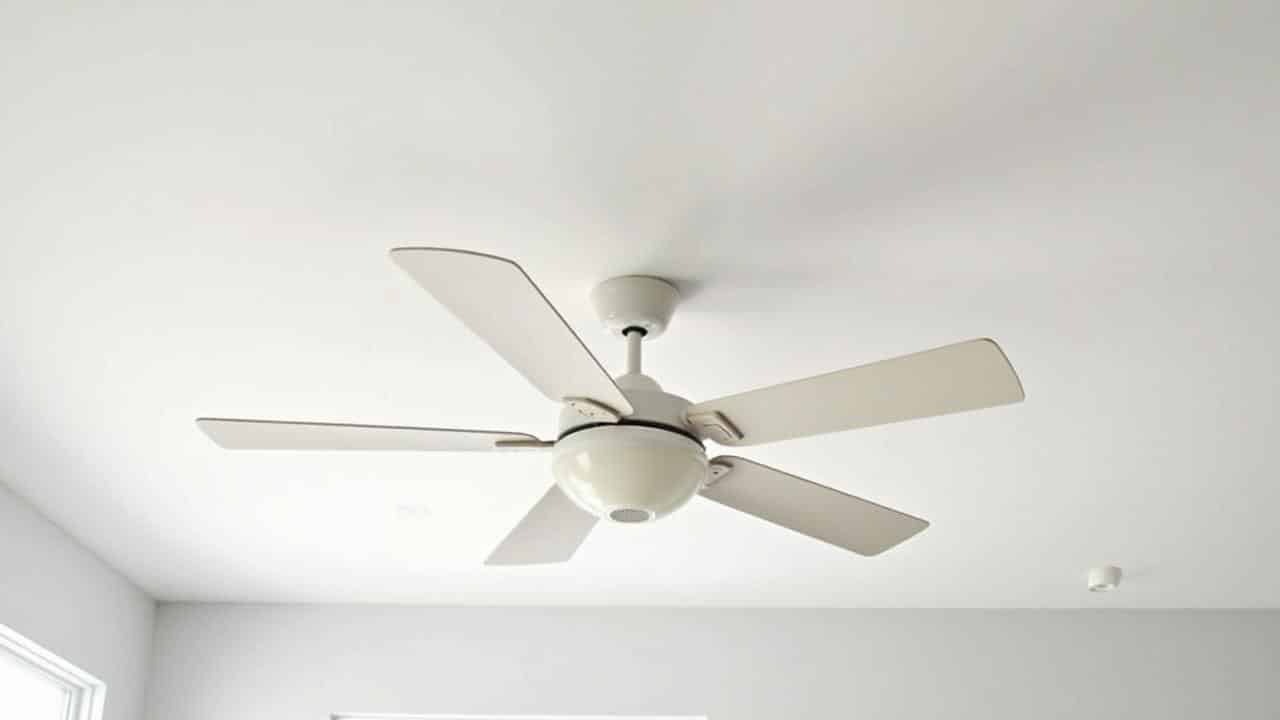
A shiny shortcut trends online, promising cleaner blades with almost no effort.

The hack tells people to mist ceiling fans with fabric softener so dust slips off. Safety advisers and cleaning pros now push back. They warn about fire risk, sticky residue, and false promises. There are safer ways to get the same clean finish.
What the viral trick gets wrong
Fabric softener is designed to leave a silky film. That film reduces friction and static so clothes feel smooth. On a fan blade, the same film stays behind on metal, wood, or plastic. It carries fragrance oils and surfactants. Many formulas are combustible, and the residue can support flame spread if it ignites.
A ceiling fan is an electrical appliance with a motor that warms up during use. It has wiring, connectors, and vents. A fault can produce heat or stray sparks. Put a combustible film on or near that motor housing and the risk climbs. The odds may be low on any given day, but the consequence can be severe.
Do not spray fabric softener on ceiling fans. Residual film plus a warm motor adds fire risk, and the coating can trap more dust.

The hack also misunderstands dust. Once you spray, that wet film becomes a tacky surface while it dries. Airborne particles settle as the fan stirs the room. Those particles stick to the softener, not away from it. You may even create a grimy layer that is harder to remove next time.
Why dust still wins
Household dust is a mix of skin cells, textile fibers, soot, pollen, and pet dander. The fan keeps all of it moving. A fan blade with any residue collects more particles through static and simple adhesion. Humidity helps dust clump. Fragrance oils make the surface slightly sticky. You do not reduce total dust. You relocate it and make the cleanup slower.
Dust cannot be “neutralized” by a spray. You either capture it and remove it, or you move it elsewhere and deal with it later.

Safer, smarter ways to clean fan blades
You can clean a ceiling fan quickly without chemicals or risk. The goal is to capture dust and keep moisture away from the motor.
Quick step-by-step
- Switch the fan off at the wall and wait for the blades to stop.
- Lay a drop cloth or old sheet beneath the fan to catch fallout.
- Use a clean microfiber cloth or an extendable microfiber duster to wipe the top and bottom of each blade.
- For stuck grime, mist a cloth (not the fan) with a 50/50 white vinegar and water mix, then wipe firmly.
- Dry the blades with a second cloth so no moisture remains near the motor or hardware.
- Vacuum or sweep the floor before you move the drop cloth.
Tools that actually help
- Pillowcase method: Slip a pillowcase over each blade, pinch, and pull back to trap dust inside the fabric.
- Vacuum with a soft brush: An extension wand and brush head lift dust without flicking it into the room.
- Stable step ladder: Keeps your stance solid so you can apply light pressure safely.
- Anti-static microfiber: Reduces static cling, so dust releases into the cloth and not back into the air.
Common mistakes and better options
| Mistake | Do instead |
|---|---|
| Spraying liquids directly on blades or into vents | Spray the cloth, not the fan; keep moisture away from the motor |
| Climbing on a dining chair | Use a step ladder or a long-reach duster |
| Using a feather duster that redistributes dust | Use microfiber that grabs and holds particles |
| Skipping the floor cleanup | Vacuum or mop after dusting to remove fallout |
| Harsh solvents on finished blades | Mild soap or vinegar solution, then dry thoroughly |
If you already sprayed fabric softener
Do not panic. Turn the fan off and let the blades cool. Wipe each blade with a cloth dampened in warm water with a drop of mild dish soap. Rinse the cloth often. Follow with a clean damp cloth to remove residue. Dry the blades fully. Check the motor housing for overspray and wipe the exterior only. Keep liquid away from vents. If you notice a lingering fragrance or a tacky feel, repeat the rinse-and-dry cycle before you run the fan.
Reduce dust at the source
Routine prevention beats reactive cleaning. A few tweaks lower dust levels so your fan stays cleaner between wipes.
- Upgrade your HVAC filter to MERV 8–11 and change it on schedule.
- Run a HEPA purifier in rooms with heavy traffic or pets.
- Hold indoor humidity near 40–50% to limit static and clumping.
- Wash bedding weekly and shake rugs outdoors before vacuuming.
- Groom pets regularly and brush them outside when possible.
- Keep surfaces clear so dust has fewer places to settle.
Safety notes from the electrical side
Ceiling fans tolerate dust. They do not tolerate liquid inside the motor. Any cleaner that can wick into the housing increases corrosion risk, short circuits, or bearing damage. Turn power off while you work. Avoid aerosols near the canopy and vents. If a fan makes a new noise, wobbles, or emits a hot or chemical smell after a clean, stop using it and have it inspected.
Seasonal settings and airflow tips
Use the direction switch: counterclockwise for cooling in warm months, clockwise on low in cooler months to push warm air down gently. Lower speeds kick up less dust. Keep floor registers and return vents clean so the room sheds dust instead of recirculating it.
When a deeper refresh or replacement helps
Blades that bow, finishes that peel, or cracked housings signal a larger issue. A balance kit fixes minor wobble. If the motor hums or runs hot, consider a service call. A modern DC-motor fan uses less energy and runs cooler, which also reduces dust baking onto surfaces over time.
If allergies flare, add a monthly fan wipe to your checklist during peak pollen. Pair that with a HEPA vacuum session. This simple routine cuts airborne triggers and keeps the room feeling fresher without chemical coatings.
One last practical note: reserve fabric softener for laundry, not living spaces. A neutral cleaner, two good cloths, and five calm minutes will leave your fan safer, cleaner, and actually dust-free.