A quick kitchen-cupboard tactic can cut daily germ transfer at home.

Households touch the same handles dozens of times a day. That constant traffic moves microbes from person to person. A fast spritz of rubbing alcohol offers a low-effort way to interrupt that chain.
Why door hardware needs fast disinfection
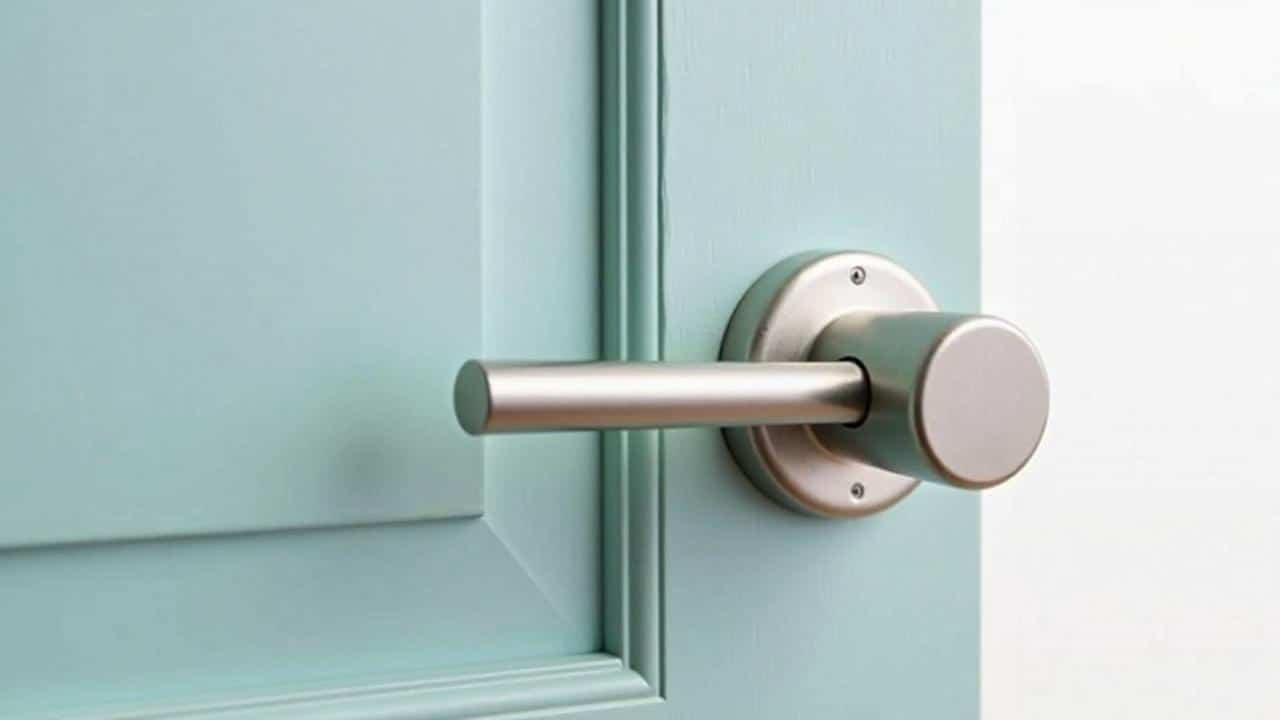
High-touch surfaces collect microbes at speed. Door handles sit right at the front of that queue. Stainless steel and chrome look clean, but they give bacteria and some viruses enough time to survive. Brass alloys slowly fight microbes on their own, yet that process takes hours. Daily life happens in minutes.
Short, regular disinfection helps during cold and flu waves. It also helps after visitors leave, or when a family member returns from school or work. The tactic is simple, cheap, and fits into a busy routine.
Use 70% rubbing alcohol. Wet the surface and let it sit for 30–60 seconds. This reduces germs but doesn’t sterilize.

The quick method: spritz, wait, walk away
- Pre-clean if the handle looks greasy or dirty. Dirt shields microbes. A quick wipe with soapy water removes that shield.
- Spray rubbing alcohol until the handle is visibly wet. Cover the front, back, neck, and any thumb-turns.
- Let it sit for at least 30 seconds. A full minute adds a margin if the room is cool or the handle is contoured.
- Use an old toothbrush to reach seams and rosettes. These crevices hold grime and skin oils.
- Allow to air dry. If puddles remain, use a clean, dry microfiber cloth. A dirty cloth can re-seed germs.
What concentration works best
Choose 70% isopropyl alcohol or 70% ethanol. That water-to-alcohol mix penetrates cell walls while slowing evaporation. Lower than 50% loses punch. Very high percentages can flash off too fast to work well. If a 91% bottle is all you have, apply a heavier spray and extend contact time with a second pass.
Under 50% alcohol? Skip it for disinfection. Too weak, too risky.
Material check: protect the finish while you sanitize
Different finishes react in different ways. Alcohol is friendly to most robust metals, yet coatings vary by brand and age. A 10-second test in a hidden spot prevents a bad surprise.
- Stainless steel and chrome: generally fine. Alcohol can remove fingerprints and light oils.
- Lacquered brass or bronze: spot test first. A worn lacquer can haze or soften with repeated alcohol use.
- Painted or faux-plated handles: be cautious. Thin decorative coatings may dull.
- Wood doors near the handle: wipe drips immediately. Alcohol can mark shellac or old varnish.
- Smart locks or keypads: avoid spraying directly into seams. Mist a cloth and wipe instead.
How alcohol compares with other options
| Method | Effectiveness | Finish risk | Notes |
|---|---|---|---|
| 70% rubbing alcohol | Good on many bacteria and enveloped viruses | Low to moderate on coated metals | Fast, no rinse, evaporates quickly |
| Diluted bleach | Strong, broad-spectrum | Higher risk of corrosion over time | Needs careful dilution and ventilation |
| Hydrogen peroxide (3%) | Good, slower contact time | Low to moderate | Leave wet for several minutes |
| Soap and water | Removes soils | Very low | Best as a pre-clean step before disinfecting |
Safety first: flammability and smart storage
Rubbing alcohol is flammable. Keep it away from open flames, pilot lights, and hot appliances. Ventilate the room. Don’t spray in a tight closet or a small bathroom with the fan off. Avoid skin and eye contact. Gloves help if you sanitize many handles in one go.
- Never mix alcohol with bleach or ammonia. Dangerous fumes and reactions can result.
- Label your spray bottle clearly. Use a bottle that has held only alcohol.
- Close the cap tightly after use. Store out of reach of children and pets.
- If you spill, wipe it up and allow the area to dry before using electrical switches.
Keep alcohol in a labeled, dedicated bottle. Ventilate, and steer clear of flames. Simple steps prevent accidents.
When a spritz isn’t enough
Use alcohol as part of a broader routine. If someone in the home is ill, increase frequency. Hit handles after each round of handwashing to break the loop. During quiet weeks, once daily is a reasonable baseline for busy doors, with a deeper weekly clean for the whole space.
Focus on the full hand path. Hands touch more than the lever itself. They graze the plate, twist locks, and catch the door edge. A 30-second extra pass covers those zones.
Frequently missed touchpoints
- Thumb-turn locks and deadbolt knobs
- Door edges near the latch
- Refrigerator and oven handles
- Cabinet pulls and drawer knobs
- Light switches and dimmers
- Stair rails and newel posts
- Car door handles and boot latches
Small upgrades that boost the payoff
Switch to a fine-mist sprayer. A consistent mist spreads evenly and limits runoff. Pair with a microfiber cloth kept only for clean surfaces. Microfiber grabs residue and leaves fewer streaks. Keep a toothbrush or cotton buds in a zip bag next to the bottle for quick detail work.
Map out touch traffic in your home. Front door, bathroom door, and fridge handle often top the list. Mark them for daily attention. Guest room handles get a pass before and after visitors. If you have brass hardware, know that it slowly self-sanitizes, yet it still benefits from a targeted clean during high-circulation weeks.
Extra intel for busy households
Cost stays low. A liter of 70% isopropyl stretches to hundreds of sprays. One bottle can support a month of daily door care in a family home. Ethanol at 70% works similarly if isopropyl is scarce. Avoid scented additions that can leave residues.
Cleaning and disinfecting are different steps. Clean first if you see grime. Disinfect next, and give it time to work. Rushing the contact time lowers the benefit. If your handles feel tacky after repeated cycles, pause for a soap-and-water wipe, then resume with alcohol the next day.
For new installations, choose robust finishes that tolerate frequent cleaning. Solid stainless hardware and quality PVD coatings handle repeated sprays better than thin plated finishes. That choice pays off when seasonal bugs roll through again.