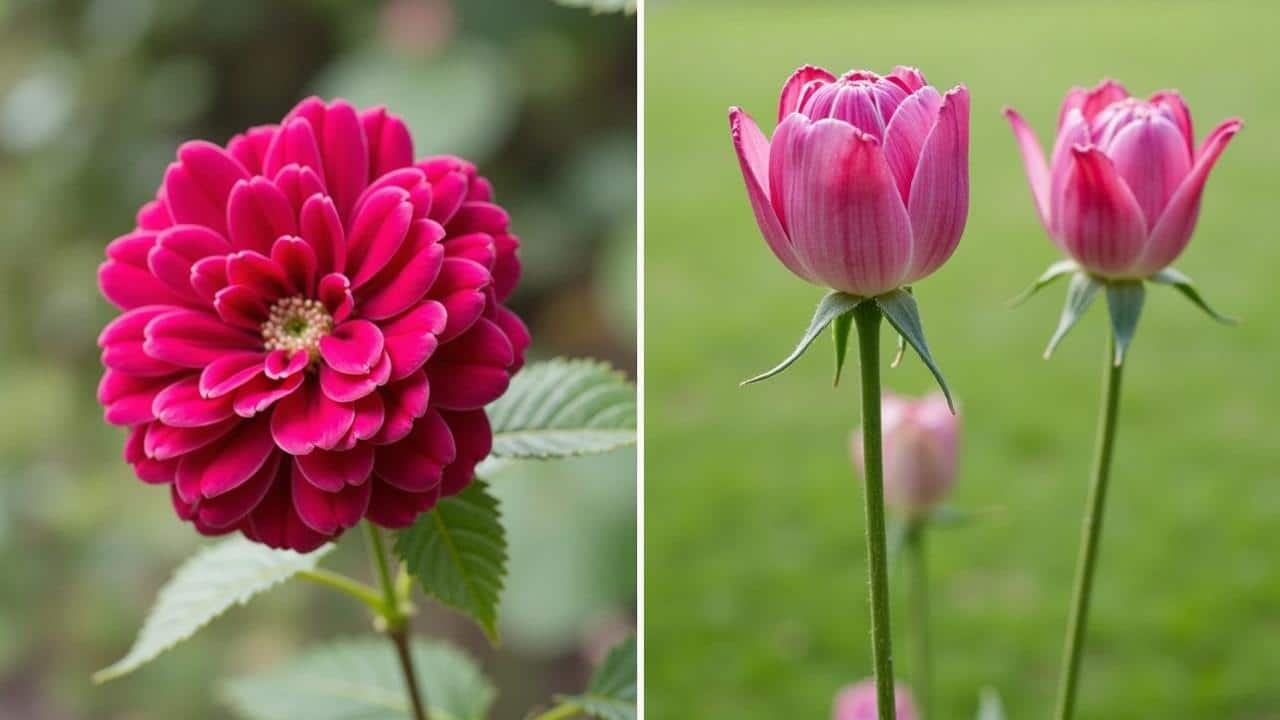
People reach for tonics, feeds, “bloom boosters,” and the cycle repeats. Quietly, though, veteran gardeners keep doing something else—an old ritual that stretches the show without a drop of chemicals.

At sunrise in a small back garden, I watched an elderly neighbor move like someone who knows the secret names of things. He filled a dented galvanised can from a rain barrel and watered the base of his perennials so slowly it felt like a ceremony. Then a soft pinch at the tips—barely a whisper of a cut—and a thin blanket of last autumn’s leaves crumbled into mulch around each plant. He didn’t speak, just nodded to the soil like an old friend. I timed him. Ten minutes. He called it the spring soak-and-pinch. And he swore the flowers stayed twice as long.
The spring ritual people forgot to teach us
The idea is disarmingly simple. On one cool morning in early spring, when growth is just waking, give your beds a single, deep drink, then pinch the earliest buds and lay a light mulch. It’s less a task than a mood—a reset for the season. Seasoned gardeners do it before tools and to-do lists crowd the day. They say it’s like tucking in the garden for a marathon, not a sprint.
In Norwich, Ruth kept notes the way bakers keep recipes. On a scrap of card taped inside her potting shed, she logged bloom days for salvias and cottage roses over five years. The years she did the ritual, Salvias ‘Caradonna’ held color for 38 days versus 21. Her David Austin rose kept throwing petals for 56 days instead of 29. Not every plant doubled, but the pattern was there—longer runs, calmer gaps, fewer panic-waters in July.

There’s a tidy logic humming beneath the folklore. That slow soak charges the deeper soil, teaching roots to chase moisture down rather than loiter at the surface. Pinching the first flush of buds nudges plants to branch, which spreads bloom time across more stems, like a choir staggering breaths. A light mulch—leaf mould, fine bark, even shredded straw—locks in moisture and cools the root zone. You’re not forcing anything. You’re setting the stage.
How to do the Spring Soak & Pinch in ten unhurried minutes
Pick a mild, still morning when the soil has thawed and new shoots are 5–10 cm tall. Fill a watering can or bucket—rainwater if you have it—and pour in a slow circle at the dripline of each plant until the surface just puddles. Wait a minute. Do a second slow pass. For tall perennials and repeat-blooming roses, pinch the first bud or the top 1–2 cm of the tip just above a leaf node. Finish with 2–3 cm of crumbly mulch, keeping crowns clear.
Work light, not loud. Don’t drown cold soil or soak during a frost snap. Keep mulch thin around crowns to avoid rot, and skip pinching on plants that bloom from a single stem (tulips, peonies’ main buds, foxglove spires). We’ve all had that moment when spring surges while we’re still in winter shoes—if buds are already open, just do the soak and mulch. Let’s be honest: nobody does this every single day.

It’s the kind of care you feel in your shoulders—measured, steady, kind. It feels almost too simple.
“The year I went back to the spring soak-and-pinch, my borders stopped peaking in a single weekend,” said Marco, who tends a terraced plot in Bath. “They breathed. That’s the word—everything breathed.”
- Spring Soak & Pinch checklist: choose a cool morning; slow, deep watering; pinch tender tips above a node; add a thin, airy mulch.
- Use rainwater if possible; if not, let tap water sit a day.
- Skip pinching woody shrubs already setting a structured flush.
- Repeat a light soak after a dry, windy week—no daily fuss.
What this tiny ritual changes over an entire season
Longer bloom is the headline, but the subplots are where you feel it. Plants ride out hot spells with less drama. Beds look less boom-and-bust and more like a slow parade. The garden holds its nerve during July, which is when most of us start bargaining with hoses and apps.
Gardeners who track things notice odd perks. Fewer aphid flare-ups when growth is steady rather than sugar-rushed by feeds. Rose petals that don’t crisp on day three. Echinacea that lean less because stems bulk up after the pinch. Even watering anxiety softens. You start trusting the soil again.
There’s also the small joy of doing one generous thing early and letting it echo. This is gardening as rhythm, not rescue. You don’t need a new product line. You need a morning, some water, your fingers, and last year’s leaves. **Deep, slow watering** is unfashionable in a world of nozzles and settings, but the roots understand it instantly.
People argue about which plants benefit most. Roses and salvias? Yes. Nepetas, cosmos, and zinnias if you’re growing annuals? Absolutely. The ritual slows the first act so the second act is longer, richer, less frantic. It’s the gentlest kind of editing.
And if you miss the exact spring window, you still get wins. Do the soak and mulch whenever a cool, overcast morning comes. Skip the pinch once stems are woody or buds are opening. You’re not late; you’re listening.
Zero chemicals isn’t a badge. It’s just what happens when the basics carry their weight. Add **leaf‑mould mulch** to your spring vocabulary and a lot of summer fuss falls away. The show lasts because the cast is ready.
Some gardeners give their ritual a name so it sticks—“soak-and-pause,” “pinch-and-promise.” Call it what you like. The point is repeating it each spring until it becomes muscle memory. A quiet act, early, that makes everything else later feel easier.
And no, it won’t fix everything. A scorcher August needs shade and common sense. Slugs will still find the dahlias you forgot to lift. But the beds will meet the season like runners who trained, not sprinters who winged it. That changes the mood of the whole place.
Neighbors notice. A passerby slows, wondering why your border looks good on Tuesday in late July. You’ll say something vague about rain barrels and timing. The ritual doesn’t like being bragged about. It likes being done.
Spring has a way of making us rush. This asks you to slow down for ten minutes, then gives you weeks back later. People call that a trick. Gardeners call it care.
And if you share it with someone just starting out, you give them confidence, not chores. That’s the real bloom extender. **Deep roots, soft hands, early mornings.** The flowers notice.
| Point clé | Détail | Intérêt pour le lecteur |
|---|---|---|
| Timing | Cool morning in early spring when shoots are 5–10 cm tall | Maximizes root response and sets an even bloom schedule |
| Water technique | Slow, deep soak at the dripline, twice with a short pause | Builds deeper roots and reduces summer stress and watering |
| Pinch + Mulch | Pinch soft tips above a node; add 2–3 cm light leaf mulch | Encourages branching and retains moisture without chemicals |
FAQ :
- Does this work for roses?Yes—repeat-blooming roses respond beautifully. Pinch only tender tips on new growth and keep mulch off the crown.
- What if I miss the spring window?Still do the soak and mulch on a cool day. Skip pinching once stems are woody or buds are opening.
- Can I use tap water instead of rainwater?Yes. If your water is hard or chlorinated, let it sit in a bucket overnight to mellow.
- Will pinching make blooms smaller?Sometimes the first flowers are slightly smaller, but you get more of them over a longer period, which is the trade most gardeners want.
- Is this okay for bulbs and woody shrubs?Do the soak and mulch, but don’t pinch bulb stems or established woody shrubs. Pinching suits perennials and many annuals.