It doesn’t look dramatic. It starts as a faint shift in the motor’s note, a puff of hot dust, and a little drop in suction that most of us ignore.

The hallway smelled faintly of warm carpet and citrus spray as Maria, a veteran cleaner, froze mid-pass. Her wrist turned, just a few degrees, as if she were listening to a violin go slightly out of tune. The vacuum’s roar had changed pitch. She flipped it off, popped the hinge, and revealed a bag so tight it felt like a drum. The homeowner blinked, embarrassed. “But it’s new,” he said. Maria smiled, like a car mechanic who’s heard it a thousand times. New doesn’t mean safe. Not for a motor pulling air through a choke point it can’t see. The killer is invisible.
The silent mistake that burns out good vacuums
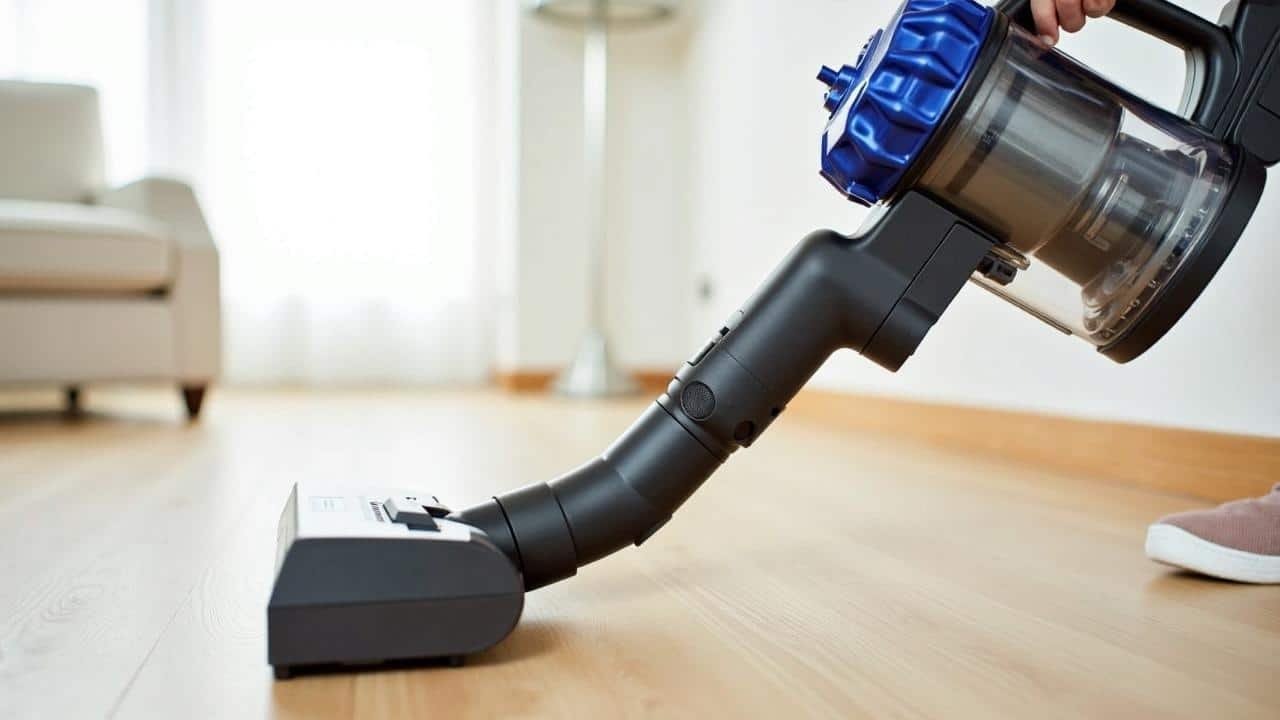
Every pro I spoke to described the same problem with different words: **starved airflow**. A vacuum is basically an air pump with a broom attached. When that air can’t move freely, the motor runs hot, brushes spark harder, and plastic parts soften in a heat bath you can’t feel through the handle.
You can hear it if you listen. The pitch climbs a little when the bag is crammed, the filter is caked, or the roller is straitjacketed in hair. That’s when many people push harder and do one more room. A repair tech told me most “sudden deaths” aren’t sudden at all. They’re accumulations of 15-minute overheats after birthday glitter, scented carpet powder, or a weekend drywall project that seemed harmless.

Think of the bag, canister, and filters as lungs. Block the inhale or the exhale and the motor must work harder to pull the same air through tiny passages. Current draw creeps up. Heat rises. Thermal fuses trip, then reset, then degrade. Dust bypass finds bearings and carbon brushes. Belts glaze. Seals leak. Cyclonic machines suffer too; those lovely swirls clog micro-holes in pre-motor filters when fed super-fine dust like plaster or ash. The machine sounds “strong” because the motor is screaming. It’s not strength. It’s strain.
What pros actually do before they hit the power button
There’s a 90-second ritual that separates pro users from weekend sprinters. They crack open the machine and tap the pre-motor filter, light strokes, not a smash. They look at the dust level and stop at the two-thirds mark, not the bursting point. They yank a comb or scissors across the brush roll and free the hair. They lift the wand to their cheek for a second and feel the pull. Then they start. No drama. Just airflow.
We’ve all lived that moment when the guests are due in 20 minutes and you blitz crumbs like an Olympic sport. That’s exactly when short habits save motors. Empty at two-thirds. Swap or wash the pre-motor filter long before it looks “gross.” Keep a cheap seam ripper near the closet and cut the roller weekly if you’ve got pets. Let’s be honest: nobody does that every day. Do it when you notice the pitch rise or the vacuum feels “heavier.”

Veterans say the big red lines are simpler than people think. Never chase sand, wet messes, or renovation dust with a pretty living-room machine. Use the right bag, not a “close enough” aftermarket that leaks. And if your house loves carpet powder, just stop using it.
“Most of the ‘dead motor’ machines I see didn’t die of old age,” says Lena, who runs housekeeping in a 200-room hotel. “They died from being used while suffocating.”
Here’s the tiny checklist that keeps air moving:
- Empty at two-thirds full, not bulging.
- Tap the pre-motor filter lightly before each big clean.
- Cut hair from the roller weekly if you have pets or long hair.
- Feel the suction at the wand; if it’s weak, stop and check for clogs.
- Use proper bags and seals for your exact model.
Habits that quietly double a vacuum’s life
Set a rhythm that matches your home. Wash foam pre-filters monthly and let them air-dry for 24 hours. Replace HEPA filters every 6–12 months, or sooner if you love ultra-fine dust enemies like clay litter. Check belts every season; a shiny, stretched belt slips and overheats the motor. Run a flashlight along gaskets and lids; leaks turn your cleaner into a dust sprayer. Keep a long zip tie or pipe cleaner for clearing the flexible hose from both ends.
Skip the enemies your vacuum can’t handle. No fireplace ash. No wet spills. No plaster dust. **Never vacuum plaster dust with a normal household machine.** Those particles are tiny glass knives to filters and bearings. Avoid scented carpet powders that gum into filter fibers. Don’t wrap the cord so tight it strains where it enters the handle. Don’t park it in a hot garage where rubber hardens. This tiny neglect is the reason vacuums “just die.”
Little signals matter. A hot electrical smell is a pause button, not a background note. A pitch that rises when you close a vent means something is blocked. If your vacuum keeps “spitting” bits back, you’ve likely got a roller jam or a full airway. Swap to a shop vac for renovation debris, then finish with your daily driver. A $10 pack of correct bags and a spare belt is cheaper than a $180 motor. Your future self will thank you on a Tuesday you never remember.
What would happen if we treated suction like fuel instead of an afterthought? Your cleaner would run quieter, cooler, and longer. The house would feel genuinely lighter after a pass, not like you just pushed dust from corner to corner. And you’d stop wondering why a “decent” brand keeps dying in two years. Moments of care stack up. The pitch of a healthy motor becomes a sound you know by heart. You’ll start hearing the change before trouble arrives, the same way Maria did in that hallway. Small, repeatable moves. Big peace of mind.
| Point clé | Détail | Intérêt pour le lecteur |
|---|---|---|
| Airflow first | Clogged bags/filters overheat motors and wear brushes | Longer vacuum lifespan and steady suction |
| Two-thirds rule | Empty bags/canisters before they’re “packed” | Prevents strain and dust bypass into the motor |
| Right tool, right mess | Avoid fine dust, wet debris, and carpet powders | Fewer breakdowns, cleaner air in the home |
FAQ :
- What single habit saves my vacuum the most?Empty at two-thirds full and tap the pre-motor filter before big cleans. That one-two keeps airflow healthy.
- Can I wash every filter?No. Foam pre-filters usually wash; many HEPA filters are replace-only. Check your model’s label on the filter frame.
- Is bagged or bagless better for longevity?Bagged often protects the motor better because fine dust stays in the bag. Bagless can be great if you clean filters routinely.
- Why does my vacuum smell hot?Restricted airflow or a slipping belt. Stop, clear clogs, cut hair, and check the belt before running again.
- Can I vacuum plaster or fireplace ash if I go slow?No. Those fines clog filters and invade the motor. Use a shop vac with a fine-dust filter, then finish with your regular vacuum.