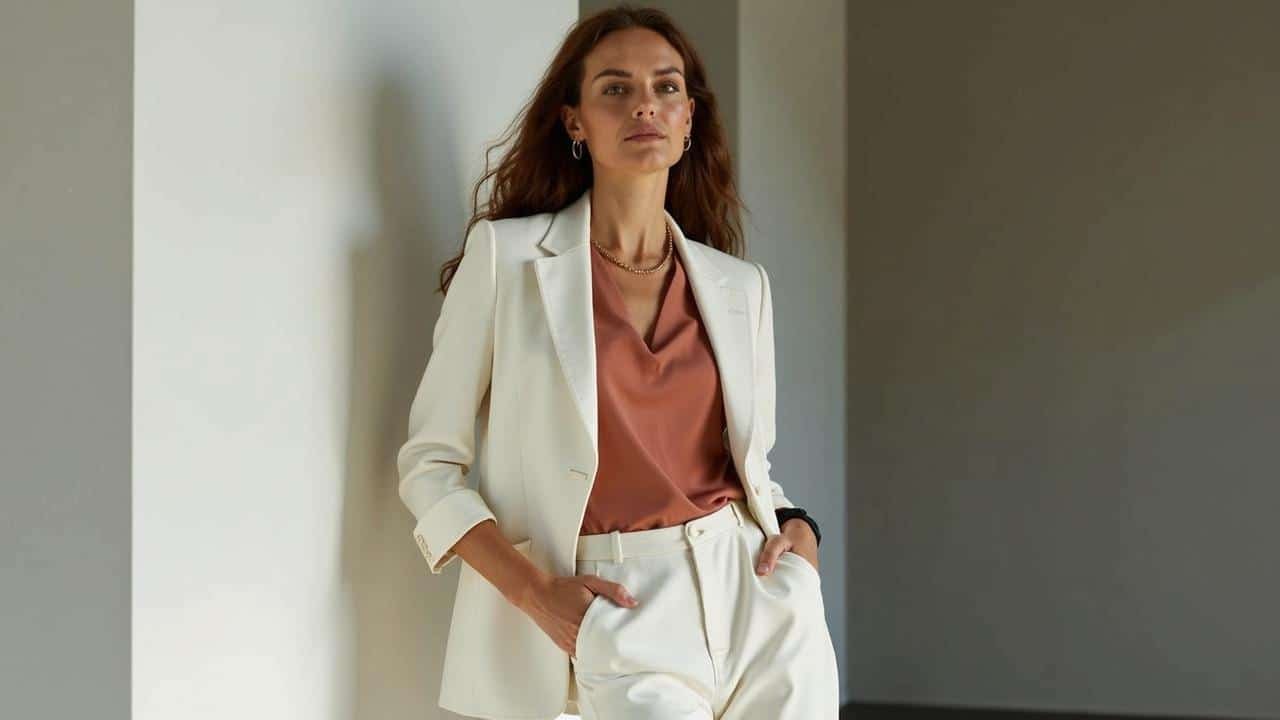
Across commutes, co‑working spaces and after‑hours plans, deconstructed tailoring is changing what “dressed for work” looks like. Structure meets ease. Suiting breathes. The result feels polished, but not stiff, and it pivots fast from meeting to meetup.
Why deconstructed tailoring is leaving the office

This wave blends tailored architecture with gentle movement. Shoulders drop a touch. Fabrics lighten. Silhouettes loosen without losing shape. The effect reads professional, yet it moves like everyday wear. That balance resonates with people who want credibility without the old suit-of-armor feeling.
Hybrid schedules accelerated the shift. People now expect clothing that flexes across roles and rooms. Warm seasons push for breathable weaves. Sneakers and flat sandals gained social permission, which nudged suiting toward softness. The aesthetic also trims visual noise: fewer fussy details, more focus on cut, fall and texture.
Deconstructed tailoring keeps the bones of traditional suiting, then removes weight, stiffness and unnecessary formality.

There’s a psychological layer too. Looser tailoring signals confidence. It says you know the rules and bend them with care. That’s a powerful message in creative fields, growing start‑ups and any office that prizes initiative over appearance.
The pieces shaping the shift
A handful of new‑old staples define this moment. Think clean lines, airier materials and proportions that create space around the body.
- Cropped blazers: Shorter lengths play with high waists, sharpen denim, and give suits a light, kinetic outline.
- Tailored bermudas: Knee‑skimming shorts in suiting cloth pair with loafers or sleek trainers for a composed, heat‑proof outfit.
- Minimal waistcoats: Worn solo or layered, they bring structure without bulk and anchor wide‑leg trousers.
- Unlined jackets: Reduced linings improve airflow and drape, keeping shoulders neat but comfortable.
- Pleated trousers with adjustable waists: Side tabs or discreet drawstrings maintain a clean front while boosting comfort.
- Fluid suits: Softer drape wool, Tencel or linen blends fall elegantly and resist the “boardroom armor” look.
How to wear it from Monday to Sunday
Keep the base simple. A well‑cut tee, ribbed tank, fine‑gauge knit or poplin shirt sets a crisp foundation. Pick one tailored piece and one leisure piece to balance the look. Then add shoes that match the tone you want: leather loafers lean smart; retro trainers feel modern; slim sandals read considered but relaxed.
Rule of thumb: mix one structured item with one comfort item, and keep at least one element refined—fabric, shoe, or fit.

| Classic tailoring | Deconstructed tailoring |
|---|---|
| Sharp shoulders, strong waist suppression | Softer shoulders, gentle shaping |
| Fully lined, heavier cloth | Unlined or half‑lined, lighter blends |
| Formal lapels, rigid crease | Relaxed lapels, movement in the leg |
| Oxford shoes, classic pumps | Loafers, minimalist sandals, vintage‑lean sneakers |
| Strictly office | Office to off‑duty without a change |
Adapting the trend to your personal style
- Minimalist: Choose charcoal, navy, stone and black. Look for hidden fastenings and clean hems. Let drape and proportion do the talking.
- Fashion‑forward: Try vivid color suits, sculptural shoulders or extra‑long shorts. Contrast textures—matte wool with satin or technical nylon.
- Sport‑leaning: Anchor pleated trousers with a performance tee and pared‑back trainers. Add a lightweight blazer for instant polish.
- Soft romantic: Pair a fluid waistcoat with wide‑leg trousers and a whisper‑thin blouse. Choose dusty pastels or warm neutrals.
- Corporate‑coded: Keep the palette formal and the cuts precise, then switch one component—unlined blazer, knit polo, or leather sneakers.
Buying smart: fabric, fit and longevity
Fabric decides everything. Seek breathable blends: wool‑silk, wool‑Tencel, lightweight hopsack, tropical wool, seersucker or linen‑cotton. Touch matters. The cloth should spring back after a gentle squeeze. Check the shoulder: light padding shapes without hard edges. In trousers, look for adjustable tabs or a subtle elastic panel at the back for all‑day comfort.
Inspect finishing. Half‑lining keeps jackets airy. Quality seams sit flat inside. Pockets should lie clean when empty. If you’re between sizes, choose the piece that fits the shoulders and waist; legs and sleeves tailor easily. Neutral colors get more wear, but one high‑impact set in azure, olive or burnt red can lift a rotation.
If it feels easy, you will actually wear it—again and again, across seasons and plans.
Where it works—and what to watch
Relaxed tailoring lands well in tech, media, design, education, and modern client services. More conservative finance or law settings may accept softer suits on casual days, but read the room first. The risk sits in drifting too casual: oversized shorts with loud sneakers can undercut credibility. Temper playful pieces with a neat top and precise shoes.
Care is straightforward. Steam, don’t over‑iron. Hang jackets on broad‑shoulder hangers. Rotate pairs of trousers to extend life. For linen or blends, a little rumple is part of the charm—aim for “intentional texture,” not neglect.
Quick outfit ideas for real life
- Commute‑friendly: Unlined navy blazer, stone pleated trousers, white tee, black leather trainers, compact tote.
- Warm‑weather client lunch: Taupe waistcoat, matching bermudas, slim belt, slingback flats, delicate chain.
- Desk to dinner: Cropped black blazer over ribbed tank, wide‑leg trousers, low‑heel mules, bold earring pair.
Extra context to make it work harder
Deconstructed tailoring differs from “relaxed fit” basics because it still relies on the grammar of suiting—lapels, darts, crease, waist shaping—then edits. That edit trims weight, stiffness and layers, so movement increases while the outline stays smart. Think of it as the midpoint between a classic two‑piece and your favorite off‑duty uniform.
If you’re building from scratch, start with two anchors: a lightweight blazer in a deep neutral and a pair of tailored bermudas or wide‑leg trousers in a complementary tone. Add one waistcoat later. With those three pieces, you can assemble at least eight clean outfits by switching tops and shoes, moving effortlessly from weekday tasks to weekend plans without changing the core of your look.