I pulled a towel from the hook behind the door and that whisper of swamp crept up, the soft, sour breath of fabric that never truly dried. It’s not dirt. It’s not neglect. It’s where the towel lives between showers. In small bathrooms and big ones, we put towels where they’re convenient, not where they can breathe. The fix isn’t a new detergent or a miracle spray. It’s placement. A very specific placement most people never think about. The solution sits on a wall you’re probably ignoring.
The airstream wall

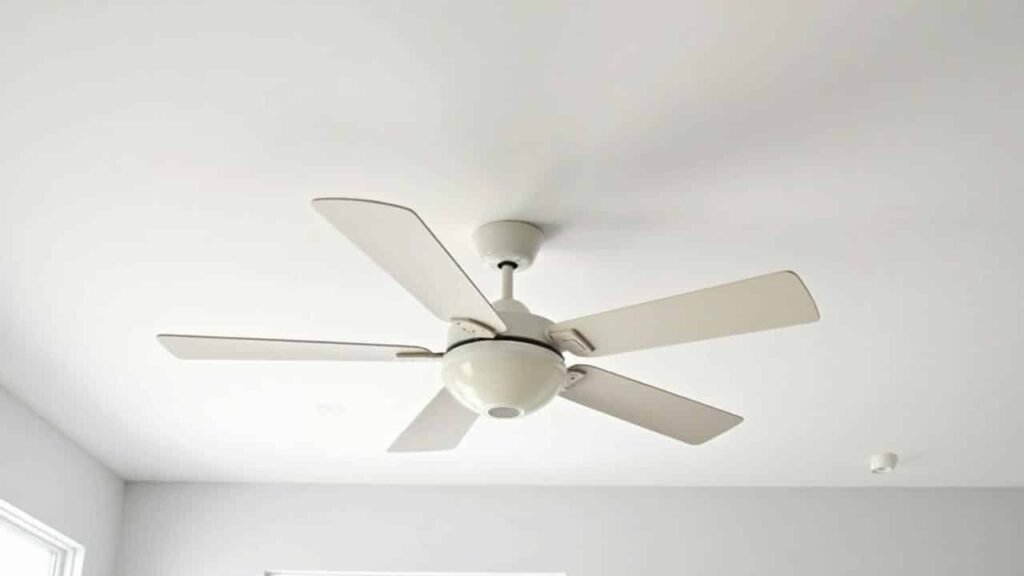
Walk into your bathroom and watch what the steam does. It rises off the shower, drifts toward the room’s exit point — the exhaust fan or the window — and slips along the most open path. That invisible highway is where your towel belongs. **Place towels where the air moves.** On a long, open wall between the shower and the fan, at shoulder height, fully spread. Not bunched. Not behind the door. The airflow steals moisture fast, and fast drying is the only honest way to beat that damp smell.
I visited a friend with a spotless, always-damp towel problem. She’d been hanging two bath sheets on hooks behind a door that stayed closed. We moved a single 24-inch bar to the opposite wall, in direct line with the fan, and she started the fan for 20 minutes after each shower. Three days later, no odor. Not a hint. She hadn’t changed detergents. Same towels. Same showers. The only change was a bar placed in the airstream and a habit of running the fan.
That smell isn’t a mystery; it’s microbiology. Odor-causing bacteria and mildew thrive when relative humidity stays high and fabric stays wet for long stretches. Keep a towel drying time under eight hours and you break their party. Airflow is a cheat code because moving air multiplies evaporation even at the same room temperature. Bars beat hooks because a spread towel has more surface exposed. Add space between towels and you speed things up again. Think physics, not fragrance.
How to place and space it

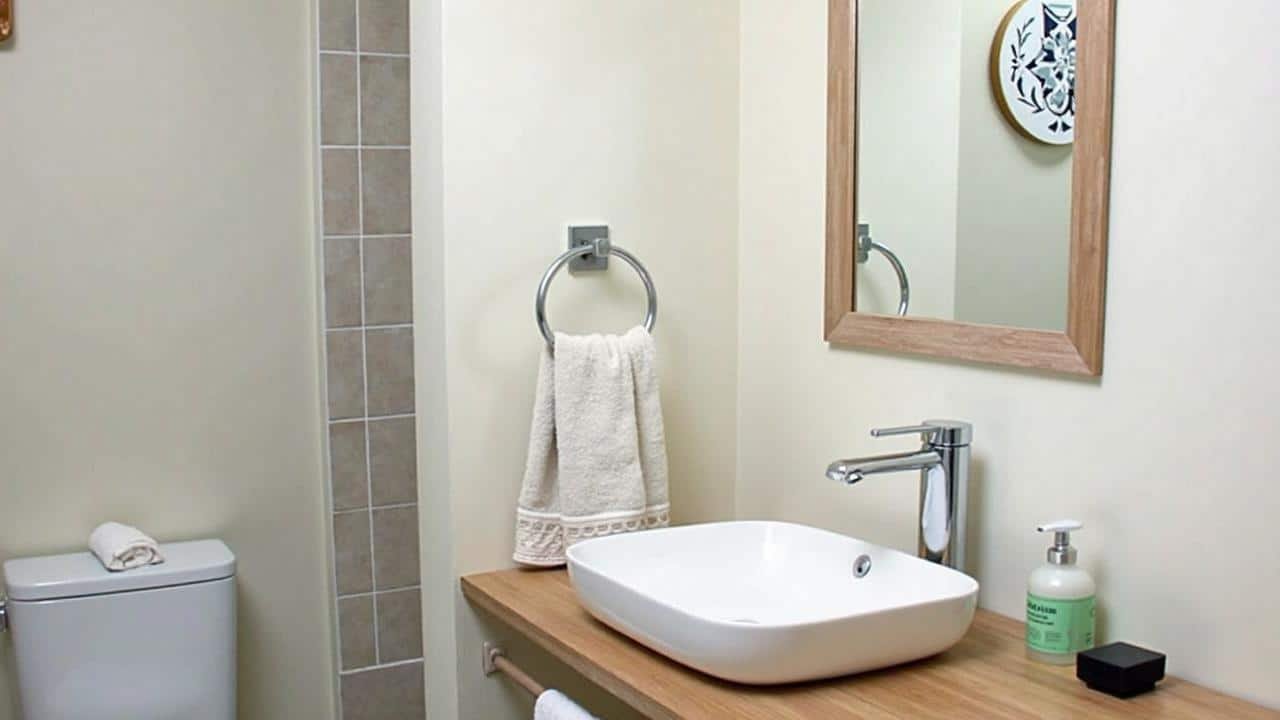
Stand between your shower and the room’s exit point. Trace the line the air would take from steam to freedom. Mount a towel bar on that route: 48–52 inches off the floor, with at least 2 inches of clearance from any obstruction. Keep the bar 10–16 inches away from the shower’s splash zone so the towel gets warm air, not fresh spray. One full-sized bath towel needs about 18–24 inches of bar to lie flat. Two adults? Stagger two bars on the same wall, one at 48 inches and one at 60, so nothing overlaps.
Common traps are sneaky. The back of the door feels handy, but a closed door kills airflow. Hooks look cute, but they crush fabric into a damp rope. Overlapping towels “to save space” just trades space for smell. We’ve all had that moment where a towel looks dry but feels tired against the skin. Give it air and it comes back to life. *Small shift, big comfort.* Soyons honnêtes : personne ne fait vraiment ça tous les jours.
Here’s the straight talk from people who fix this for a living.
“Air movement is your detergent between washes,” a building scientist told me. “If you can get a towel dry within a few hours, odor never starts.”

- Run the fan during your shower and for 20 minutes after. Crack the door 1–2 inches to feed the fan fresh air.
- Shake the towel open twice after use to break up clinging water drops.
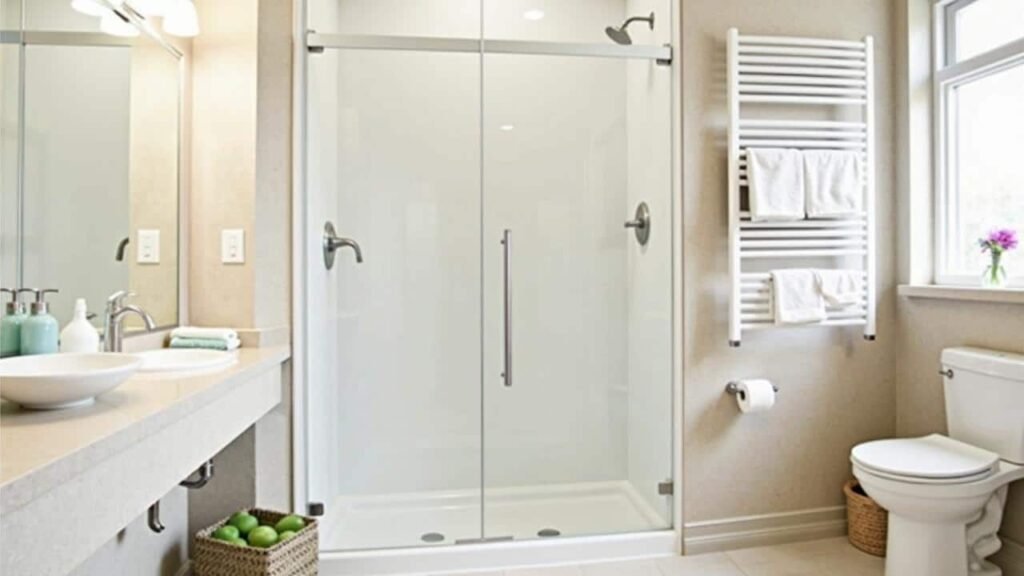
- Swap hooks for a wide bar or heated rail. One towel per bar section — no overlaps.
- Choose quicker-drying weaves for everyday use: lightweight terry or waffle cotton.
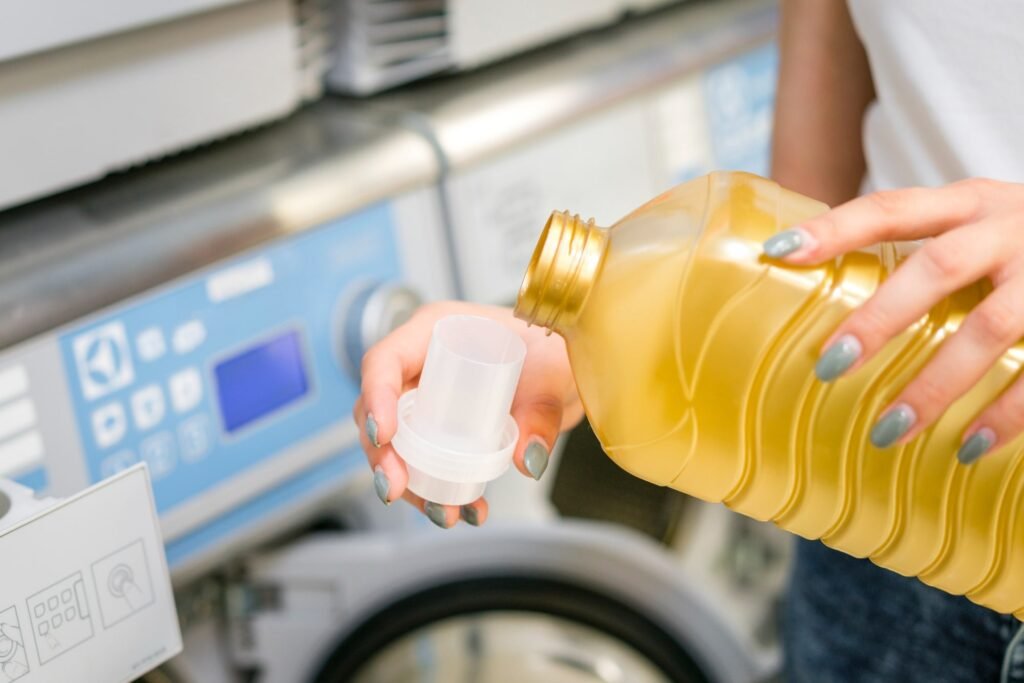
- Avoid heavy fabric softeners that coat fibers and slow drying; use vinegar once a month instead.
Why this works in any bathroom
Every bathroom has an airstream, even the windowless ones. The fan is the wind. Your job is to put fabric where that wind actually goes. On big wall? Perfect. No big wall? Use a swing-arm bar that projects into the room and parks in the airflow. Heating helps, but movement matters more: a cold room with strong air beats a warm, still room at preventing that telltale funk. The placings that fail — hooks behind doors, bars tucked in corners, towel ladders pushed into nooks — all share one flaw: air can’t get there. **Bars beat hooks for drying** because they turn your towel into a sail, not a knot.
There’s a quiet freedom in solving small daily hassles with a shift of inches. You mount a bar on the airstream wall and the room behaves differently: less foggy mirror, lighter towels, a gentler morning. The ritual of shower, shake, hang becomes the point where freshness wins or loses. It’s domestic engineering on a human scale. Change the placement, invite the air, and your towels start telling a better story. **Keep towels out of the splash zone.** Your nose will write the review.
| Point clé | Détail | Intérêt pour le lecteur |
|---|---|---|
| Place towels in the airstream | Mount on a wall between shower and exhaust fan/window, at 48–52 inches high | Faster drying cuts odor before it starts |
| Use bars, not hooks | Give each towel 18–24 inches to lie flat with no overlap | More surface area exposed, less damp smell |
| Keep out of splash and corners | 10–16 inches from spray, avoid dead-air nooks and behind-the-door spots | Stops constant re-wetting and stale humidity pockets |
FAQ :
- What if my bathroom has no window?Use the exhaust fan as your airflow source. Hang towels on the wall that faces the fan or on a swing-arm bar in that path. Run the fan during and 20 minutes after showers.
- Are over-the-door hooks okay?They’re fine for robes. For towels, they slow drying. If a door hook is your only option, use two hooks to spread the towel like wings and keep the door open after showering.
- How far from the shower should the bar be?Keep 10–16 inches from direct spray. Close enough to feel warm air, far enough to avoid fresh soaking. Opposite wall often hits the sweet spot.
- Do heated towel rails stop the smell?They help, especially in cool rooms. Heat plus airflow is best: a heated rail in the airstream dries fastest.
- How often should I wash towels once placement is fixed?Every 3–4 uses for bath towels. If they dry fully between showers, odor won’t build as fast, and they’ll feel fresher longer.