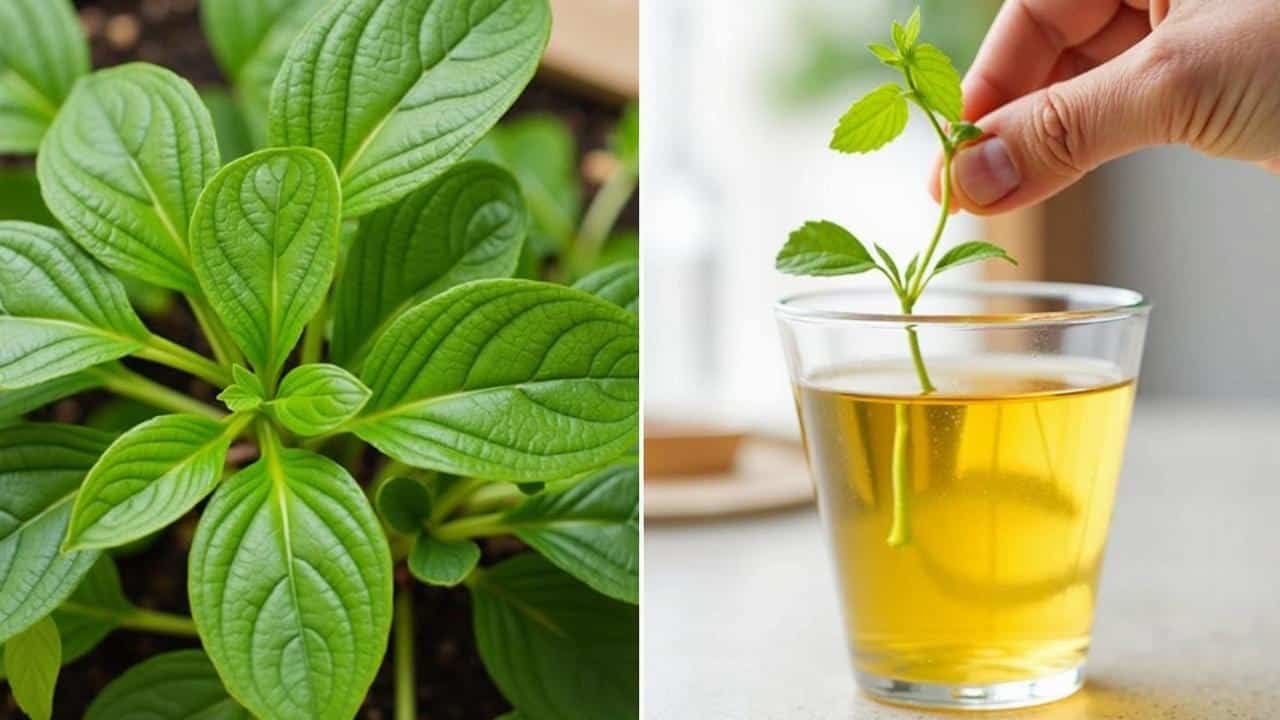
On the sill, a tired basil plant slumped as if it had given up on my good intentions. I tipped the pasta into the colander and stared at the cloudy water left behind, milky and warm, the kind of thing you usually send down the drain without thinking. It felt wasteful. It felt predictable. It felt like a tiny kitchen rebellion. I left the water to cool, then poured a little around the basil’s soil, like a quiet apology after a long week of neglect. The next morning, the leaves looked fresher. Not magic, just… less weary. The pot held a quiet fix.
Why pasta water makes leaves look happier

Pasta water is loaded with gentle starches and a sprinkle of minerals that leach from the grain while it cooks. On its own, it won’t replace fertilizer, but it can help the underground life that does the heavy lifting. Think of it as a snack for the soil’s microbiome, not a feast. When those microorganisms are fed, they unlock nutrients faster, like tiny sous-chefs prepping the meal your plant can actually eat.
I tested this on two near-identical spider plants that sit a few feet apart on my bookshelf. One got regular tap water, the other got diluted pasta water every two weeks. After a month, the pasta-water plant pushed two new shoots and its leaves sat higher in the morning light. A friend, Lila, swears by the same trick for her pothos hanging in a sunny rental kitchen. It’s not a miracle revival. It’s more like a steady nudge toward vigor.
The logic is straightforward. Starch breaks down into simpler sugars that soil microbes can use as quick energy. Fueled and active, they cycle nutrients around the roots more efficiently. Trace amounts of potassium and magnesium also slip into the pot from the pasta itself. Do it right, and you get livelier soil, better root uptake, and softer, springier growth. **Your soil feeds your plant—feed the soil first.**
How to reuse pasta water—the smart way

Here’s the simple ritual. Scoop out a bowl of pasta water just before you salt the pot, or cook your pasta unsalted. Let that water cool to room temperature. Dilute it 1:1 with fresh water, then water the soil directly, not the leaves. Aim for once every two to four weeks for houseplants, and once a month for outdoor herbs. **Always let it cool and dilute.**
Now the guardrails, so your good idea doesn’t backfire. Salt is a no-go; it dehydrates roots, and plants wear their stress slowly. Oil or sauce streaks aren’t great either; they can clog soil structure and invite smells. Pouring hot water will scald roots in seconds. And if the water sits around too long, it can sour. We’ve all had that moment where a plant looks tired and we feel a bit guilty. This is your low-effort fix. Let’s be honest: nobody really does that every day.
One more thing: go easy on succulents and cacti. They prefer lean soil and sparse feeding, so save your pasta water for leafy friends and herbs. **Salted pasta water is a plant killer.**
“Plants don’t eat starch. They eat dissolved ions. The starch mostly feeds the soil life that feeds the plant,” says a community-garden horticulturist I met on a Saturday swap.

- Use unsalted, cooled, 1:1 diluted pasta water on soil only.
- Apply every 2–4 weeks; skip winter for slow growers.
- Avoid oily or heavily seasoned water; store max 48 hours in the fridge.
- Great for basil, mint, pothos, spider plant, peace lily; go light on succulents.
The small ritual that changes how your plants feel
This isn’t about a hack so much as a mindset shift. When you view kitchen scraps as tiny resources, your plants benefit from the rhythm of your life. You boil pasta on a Tuesday, your philodendron gets a pick-me-up on Wednesday, and the whole apartment feels more alive by the weekend. Small habit, big mood.
| Point clé | Détail | Intérêt pour le lecteur |
|---|---|---|
| Skip the salt | Collect pasta water before seasoning; salt stresses and dehydrates roots. | Prevents leaf burn and long-term soil damage. |
| Dilute and cool | Mix 1:1 with fresh water at room temperature, soil-only watering. | Protects roots and keeps microbes happy. |
| Use it sparingly | Every 2–4 weeks for houseplants; store 24–48 hours max in the fridge. | Steady benefits without funky smells or mold. |
FAQ :
- Can I use salted pasta water?No. Even small amounts of salt build up and stress roots. Keep it unsalted or skip the trick.
- How often should I water with pasta water?Every 2–4 weeks for most houseplants. Outdoor herbs can handle monthly. Stick to regular water in between.
- Which plants respond best?Leafy friends like basil, mint, pothos, peace lily, and spider plant. Go light or avoid for succulents and cacti.
- Can I store pasta water?Yes, up to 24–48 hours in the fridge. If it smells sour or looks filmy, toss it and start fresh.
- Will starch attract pests or mold?Not when diluted and used sparingly on soil. Overdoing it or leaving it on leaves can invite trouble.