You wipe. You spray. You back away, only to see streaks in the light. The missing piece isn’t another product. It’s a small, often skipped habit that turns smudged metal into a mirror.

The kettle hissed, and a stripe of morning sun cut across the fridge like a spotlight. Every swipe I’d made the night before suddenly showed up: arcs of cloud, greasy fingerprints ghosting the handle, a faint haze only visible at 8:14 a.m. I grabbed the spray again out of reflex, then paused. A neighbor had mentioned something odd—no new cleaner, just a different finish. I tried it: a clean, dry microfiber, gentle pressure, moving with the grain until the cloth squeaked. The fog lifted in seconds, like wiping condensation from a mirror. The shine wasn’t from soap. It was from what I did after.
The smear you keep chasing
Most of us stop at “wipe and walk.” We clean, we see improvement, we move on. Stainless looks fine from one angle, then turns moody when the light shifts. That haze isn’t dirt you missed. It’s residue and moisture left behind, stretched thin across the metal like a film over water. It sits there until the next round of fingerprints joins the party.
At a friend’s housewarming, her new fridge looked oddly blotchy under pendant lights. She sighed and said she’d tried three different sprays. A guest who cleans commercial kitchens shrugged, grabbed a second cloth from the drawer, and did ten slow passes along the grain—no extra liquid, just patient buffing. The surface snapped into focus. We all stood there a little embarrassed. The trick wasn’t a brand. It was the finish.

Stainless steel has a brushed grain and a thin protective layer that loves to hold onto oils and minerals. When you mop it with a damp cloth, you break up the grime but you also leave micro-droplets and product behind. Those droplets dry unevenly, scattering light and creating that smoky look. Drying is a separate job. It’s the job we skip. Microfiber fibers act like a squeegee at a microscopic level, but only when they’re dry and moving with the grain. Remove the film, remove the fog.
The overlooked habit: a two-cloth, with-the-grain dry buff
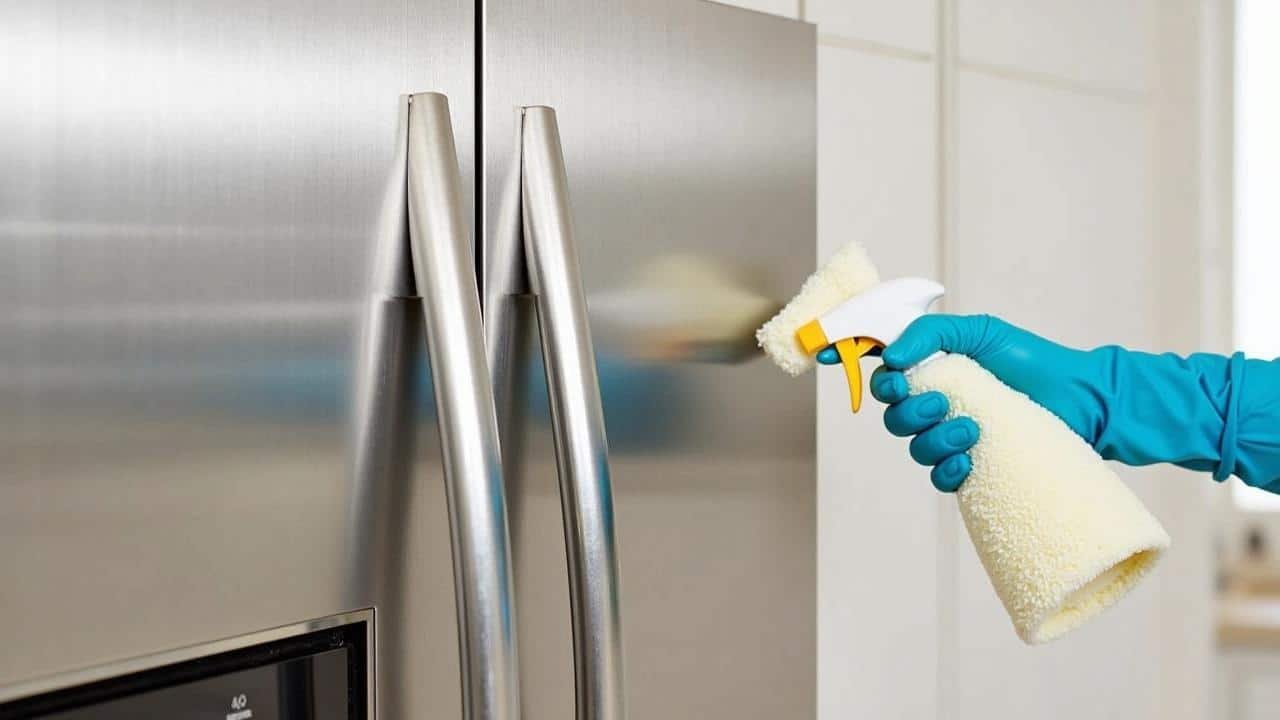
Here’s the simple rhythm. Lightly mist the area—distilled water is great, or a few drops of mild dish soap in water for greasy zones. Wipe with a damp microfiber in long strokes following the grain to lift oils. Now swap to a clean, dry microfiber and buff the same lines with your forearm doing the work, not your wrist. Keep going until you hear a soft squeak. That squeak is the sound of residue leaving the chat.
A few traps make this fail. Paper towels shed lint and leave scratches; they’re built to break apart. Using one cloth for wet and dry just moves residue around. Laundry softener on your microfibers coats the fibers so they glide instead of grab, which means they can’t “squeegee” the film. We’ve all had that moment when the surface looks worse after cleaning—chalk it up to too much product, not enough drying, and rushing the direction of the grain. Let’s be honest: nobody does this every day.
Cleaners who make stainless sing keep their routine boring on purpose. Product is minimal. Pressure is even. **Use two cloths, not one.**
“You don’t polish stainless with product. You polish it by removing what the product leaves behind.”
- Choose tight-weave microfibers; wash them hot, skip fabric softener, and air-dry.
- Spritz the cloth, not the appliance, to avoid overspray on wood or stone.
- Buff with the grain in long lanes, overlapping slightly like mowing a lawn.
- For handles and corners, pinch the cloth and do short, firm strokes.
- Spot-finish with a breath of warm air and two final passes for glassy clarity.
Make it stick without turning it into a chore
Shine that lasts comes from habit, not marathon scrubbing. Tie the dry-buff to something you already do: wiping the counters at night, loading the dishwasher, making coffee. One pass with a damp cloth to lift the day, then a calm 30-second dry buff on doors and handles. **Dry-buff along the grain with a clean microfiber until it squeaks.** Small loop, big payoff. If you love a “polished” look, a pea-size dot of food-grade mineral oil can help, but only after a perfect dry finish—and only once in a while.
| Point clé | Détail | Intérêt pour le lecteur |
|---|---|---|
| The dry-buff habit | Finish every clean with a separate, clean, dry microfiber | Removes haze and streaks fast, zero extra products |
| Follow the grain | Long, overlapping strokes in the metal’s direction | Prevents swirls, creates a uniform showroom shine |
| Cloth care matters | No fabric softener; hot wash; tight-weave microfibers | Keeps cloths “grippy” so they actually lift residue |
FAQ :
- Can I use olive oil to polish stainless?It looks great for a day, then attracts dust and fingerprints. If you want a protective sheen, use a tiny amount of food-grade mineral oil sparingly, only after a residue-free dry buff.
- What’s the best cleaner: vinegar, soap, or specialty spray?For everyday, distilled water or a drop of mild dish soap in warm water works. Vinegar (diluted 1:1) cuts mineral spots, but spray the cloth, not the surface, and keep it away from natural stone.
- How often should I do the dry-buff step?Quick touch-ups on handles during the week, a full door buff when you do your regular kitchen reset. The habit takes under a minute once you get the hang of it.
- Why are my microfibers not working anymore?Fabric softener or dryer sheets can coat fibers and kill their grab. Wash them hot with a little detergent, add a vinegar rinse if needed, and let them air-dry.
- Will this remove scratches?No. It hides swirls by evening the finish, but scratches are permanent. Keep motions with the grain and skip anything abrasive to avoid adding new ones. For deeper issues, look into manufacturer-approved pads.
There’s a quiet satisfaction in catching your reflection in a stainless door that used to nag you. No shopping spree, no magic paste—just the small, overlooked habit of drying like you mean it, with the grain, until the metal answers back with a squeak. Try it on one panel tonight. The next morning’s light will tell you everything. **Distilled water beats products for streak-free shine.** The rest is just a cloth, a minute, and a new rhythm you won’t want to unlearn.