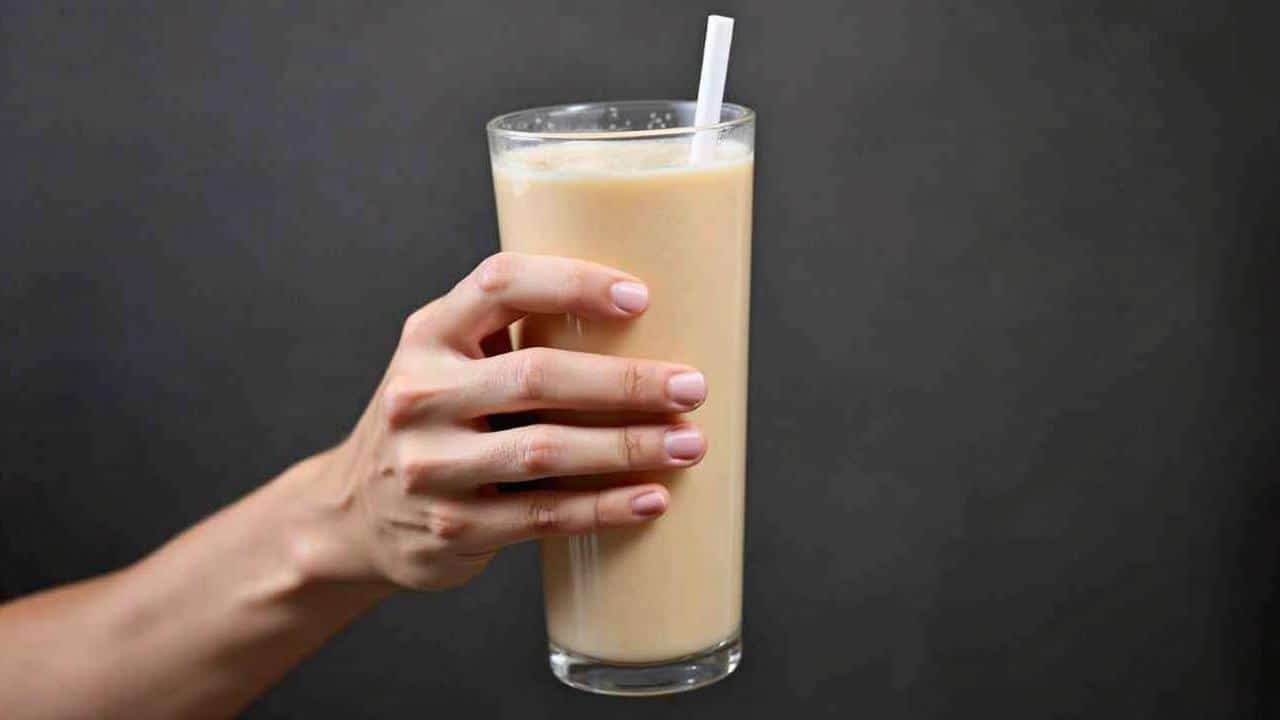
The protein shake question keeps buzzing: does timing truly move the needle?

A wave of newer research is nudging lifters away from stopwatch rituals. Instead of sprinting to the shaker, the priority appears broader and calmer: get enough protein and energy across the whole day.
What science really says about timing
For most healthy gym-goers, the exact minute you sip a shake before or after training has little impact on muscle gain. What consistently predicts progress is hitting your daily protein target, meeting your total calories, and doing that on repeat.
Daily intake and consistency beat minute-by-minute timing for muscle gain in everyday lifters.

That doesn’t mean timing is meaningless. If your next meal sits far away on the clock, a shake keeps you on track. If you trained hard and long, pairing protein with carbohydrate helps refill glycogen and supports recovery.
The anabolic window, updated
Old-school wisdom suggested a short “anabolic window” where the body uses protein more efficiently. Newer evidence paints a wider window. Muscle stays responsive to protein for hours after lifting, not just minutes. A practical rule: aim to eat protein within roughly three hours post-session, especially if your last meal was small or distant.
You don’t need to chug a shake in the locker room. Just avoid long protein gaps after training.
How much protein do you need?

Targets matter more than timing. A solid range for muscle gain sits around 1.6–2.2 g of protein per kilogram of body weight per day (about 0.7–1.0 g per pound). A 70 kg lifter would shoot for roughly 112–154 g per day. Spread that across meals for better results.
- Per meal: 0.3–0.4 g/kg (20–40 g for most people) hits the “leucine threshold” that switches on muscle protein synthesis.
- Total meals: 3–5 protein feedings per day works well for most schedules.
- Older adults may benefit from the higher end of per-meal protein due to anabolic resistance.
A standard scoop of whey offers about 24 g of protein. Add Greek yogurt, milk, eggs, tofu, tempeh, lean meat or fish across the day to reach your number without forcing giant shakes.
What to put in the shaker
Whey protein is convenient and well-studied. Milk or strained yogurt can deliver similar protein quality if you prefer whole foods. If your goal is muscle gain, include carbohydrate near hard sessions to refuel. If you aim to lose fat, keep an eye on total calories and choose water or low-fat milk as your liquid.
Easy mixes that actually work
- Whey + oats + water: cheap, quick, steady carbs.
- Milk + banana + whey: creamier, extra potassium and carbs.
- Greek yogurt + berries + honey: spoonable, high-protein, gut-friendly.
- Plant blend (pea/soy) + almond milk + cinnamon: dairy-free with a complete amino acid profile.
Plant proteins can build muscle well if you hit your total protein. Blends of pea, soy, rice or fava often cover amino acid gaps while keeping texture and taste decent.
Choosing a protein powder
The label matters. Look for short ingredient lists and sensible cost per serving. Ready-to-drink shakes can help in a pinch, but watch for added sugars and heavy sweeteners. Protein yogurts are useful; avoid sugar-laden “dairy drinks” that look sporty but deliver little protein for the calories.
| Type | Lactose | Best for | Cost |
|---|---|---|---|
| Whey concentrate | Low to moderate | Most people; good value and quality | Lowest |
| Whey isolate | Minimal | Lactose-sensitive lifters wanting dairy-based protein | Higher |
| Whey hydrolysate | Minimal | Those with digestive issues; faster absorption | Highest |
| Plant blends (pea/soy/rice) | None | Vegan or dairy-free; complete amino profile when blended | Varies |
Pre, during, or after: when it actually helps
Training fasted
If you lift first thing with no breakfast, a pre-workout shake or a quick yogurt can steady energy and kickstart protein synthesis. No appetite early? Sip 15–25 g during or soon after the session.
Two-a-days and long sessions
Endurance work or double sessions deplete glycogen. In these cases, a post-workout combo of 20–40 g protein and 0.5–1.0 g/kg carbs supports recovery for the next session.
Older lifters or those returning from layoff
As we age, muscle needs a louder “protein signal.” Aim for 30–40 g per meal, and don’t leave long gaps after training. A casein-rich option in the evening can help overnight muscle repair.
Common mistakes to skip
- Treating the shake as extra instead of part of your daily calories.
- Undereating protein at breakfast and lunch, then cramming at night.
- Relying on powders while neglecting iron, fibre, and micronutrients from whole foods.
- Buying fancy labels with long additive lists and little protein.
- Forgetting sodium and fluids after sweaty sessions.
Protein timing without the anxiety
Think simple: plan 3–5 protein hits across the day. Bookend your training with one of them if the gap would be long. If you enjoy a shake, great—use it as a meal or snack that fits your calorie target. If you prefer real food, that works just as well.
Carbohydrate timing depends on the workload. Short lifting sessions need less urgency. Longer or high-volume days benefit from carbs before and after. When fat loss takes priority, set a modest calorie deficit and keep protein high to protect lean mass.
Extra gains: smart add-ons and practical checks
Creatine pairs well with protein. Five grams daily, any time of day, supports strength and muscle over weeks. Beta-alanine can help longer sets, though it tingles for some people. Caffeine aids performance, but dose and timing affect sleep, so test on non-key days first.
If you have kidney disease, diabetes, or digestive disorders, personalise your plan with a clinician or dietitian. New to lifting? Start with two or three full-body sessions per week, set a protein target you can hit, and track in a simple app for two weeks. Adjust from real intake, not guesses.