Your plant looks hopeless: leaves limp, soil sour, nothing but regret in the pot. Yet gardeners whisper about a humble soil mixture that can flip the script — not in weeks, in a single night of good air and clean roots.

m.: a photo of a drooping fiddle-leaf fig slouched against a window, its pot clotted with heavy, dark muck. I grabbed a bucket, a bag of perlite, a brick of coco coir, a scoop of worm castings, and biked over. The house smelled like wet carpet and stale fertilizer. The plant looked like a tired person at the wrong party.
We tipped it out and the roots told the whole story—mushy tips, a rank smell, no gaps for air. The mix I brought looked almost too light, like chocolate cake crumbs and popcorn. We repotted, watered lightly, and left it alone. By morning, the leaves had lifted as if the plant had taken a deep breath.
People ask what I used. The answer always sounds boring. It’s anything but.
The “overnight revive” mix, explained

Plants don’t die all at once. They suffocate first. This mix is about oxygen as much as water, with ingredients that hold just enough moisture and a structure that lets roots breathe. Think of it as a lung for the pot.
At its core: one part coco coir or peat for gentle moisture, one part perlite or pumice for big air pockets, one part compost or worm castings for living microbes, and a small splash of horticultural charcoal for purity and structure. Nothing fancy. Just balance.
I saw it most dramatically with Marta’s peace lily. It was folded in on itself after weeks of well-meant overwatering. We pulled it from the soggy soil, trimmed the mushy roots, and settled it into the airy mix. By sunrise, the leaves weren’t perfect, but they were no longer pleading. The plant had a voice again.

That first shift comes from physics and timing: water drains, oxygen returns, root tips stop drowning. Microbes from the castings occupy the root zone fast, nudging out nastier guests. Light hits healthy leaves, and the whole system starts to hum.
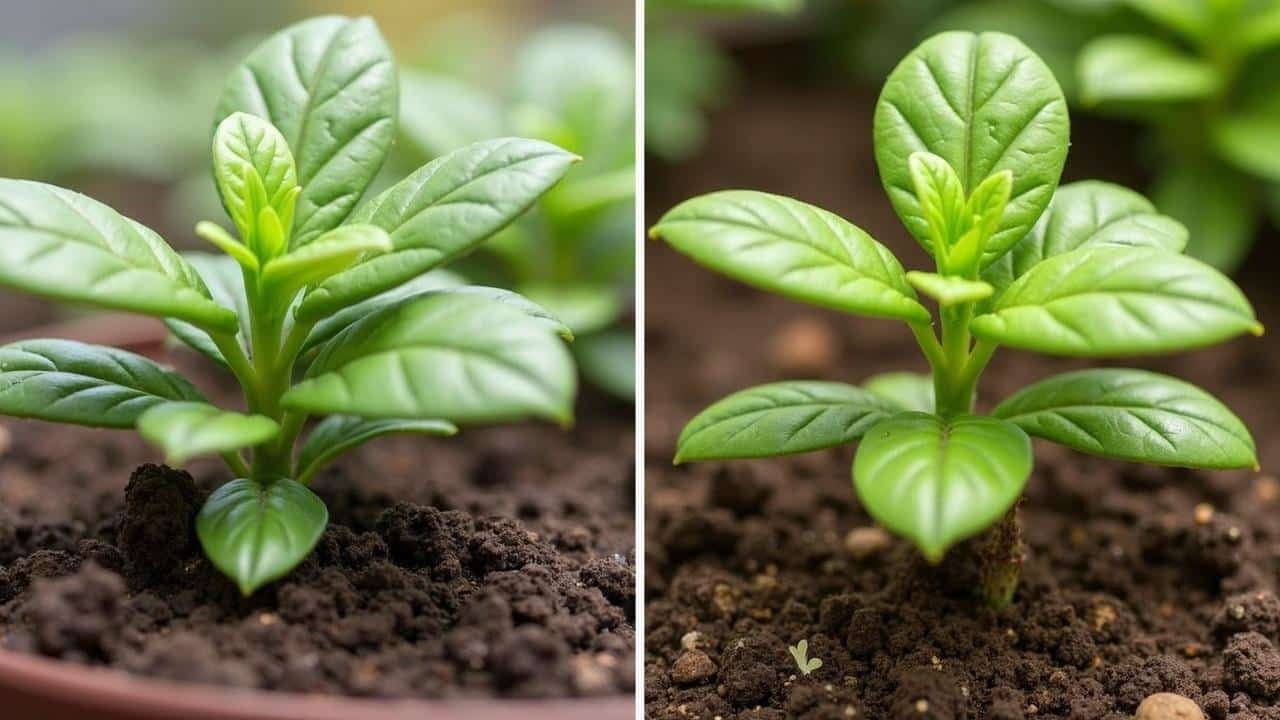
Here’s the quiet truth behind the “overnight” part. Leaves perk up because the hydraulic pressure inside them rebounds when roots get oxygen and stop rotting. You’re not growing new roots in a night. You’re restoring function. The mix is simply built to do that quickly.
Perlite creates the big gaps. Coco coir holds moisture without compaction. Worm castings bring a microbial chorus. Charcoal keeps the party clean by adsorbing some off smells and supporting structure. The blend resists clumping, so water flows instead of pooling. Roots explore again.
How to make it and use it today
Use equal parts by volume: 1 bucket coco coir (rehydrated), 1 bucket perlite or pumice, 1 bucket compost or worm castings. Add a generous handful of horticultural charcoal per bucket. Mix with your hands until it looks crumbly and evenly speckled. It should feel springy, not sticky.
Pre-wet coco coir in warm water so it fluffs properly. If the compost is heavy, cut it lightly with more perlite. Squeeze a fistful: it should hold together like a snowball, then fall apart with a tap. That texture tells you water will move through while roots can breathe.
To rescue a plant: unpot it gently. Rinse the roots in lukewarm water and remove any brown, mushy parts with clean scissors. Dust with mycorrhizae if you have it. Repot into the mix, leaving a finger-width gap below the rim. Water lightly to settle. Then wait.
We’ve all had that moment when a plant looks beyond saving and guilt creeps in. It’s okay. Common slip-ups happen: potting into a container too big, packing the mix tight, watering “to be safe,” moving the plant to dim corners. Try the smallest pot that fits the root ball. Let gravity work—don’t press the soil. Give bright, indirect light to kickstart recovery.
Go easy on fertilizers right away. The castings carry slow, gentle nutrients and microbes, which is what a stressed plant understands. Trim only what’s dead. Keep the first watering modest. Let the top inch dry before the next drink. Soyons honnêtes : personne ne fait vraiment ça tous les jours. That’s why a forgiving mix matters.
The mix works because it solves the root problem, not the leaf symptom. Healthy gas exchange comes first; nutrients are a bonus. And once you see a plant stand up straighter overnight, it’s hard to go back to heavy, gluey soils.
“Soil isn’t dirt. It’s structure and oxygen and time. Get that right, and most plants forgive you,” says an old-school nursery owner who taught me the recipe, handing me a bucket and a grin.
- Base ratio: 1 part coco coir or peat, 1 part perlite/pumice, 1 part compost/worm castings
- Add-ins: a handful of horticultural charcoal per bucket; pinch of mycorrhizae at repot
- For succulents: cut compost in half and double perlite
- For thirsty tropicals: add a small handful of fine bark
- Water rule: moisten, don’t drench, for the first week
Why this feels like “overnight” magic
The mix doesn’t cheat biology. It clears the runway. When roots can breathe, leaves re-inflate and stand. When water moves instead of pooling, pathogens lose their foothold. When microbes arrive with the castings, they begin rebuilding the neighborhood around each root hair. That’s why a drooping plant can look dramatically better in twelve hours, even if deeper healing takes weeks.
It’s not about chasing exotic amendments. It’s the opposite—getting the fundamentals so right that the plant does the rest. *The simplest systems are often the fastest to fix themselves.* If you’ve been tempted by miracle tonics, try a bucket and a blend first. Share a photo with a friend who insists their “black thumb” is permanent. The mix is just structure, air, and a second chance. The rest is patience.
| Point clé | Détail | Intérêt pour le lecteur |
|---|---|---|
| Balanced structure | Equal parts coir/peat, perlite, and compost/castings with a pinch of charcoal | Fast drainage plus steady moisture means quick perk-up |
| Rescue protocol | Unpot, trim rot, repot loosely, light watering, bright indirect light | Step-by-step path from droop to recovery |
| Adaptable recipe | Tweak airy fraction for succulents; add bark for tropicals | One mix for many plants, fewer supplies to store |
FAQ :
- Does this work for succulents and cacti?Yes, with a tweak. Halve the compost/castings and double the perlite or pumice. Aim for a mix that falls through your fingers. Then water deeply but rarely.
- Can I swap coco coir for peat moss?You can. Coir is renewable and holds moisture evenly; peat is traditional and slightly acidic. If you use peat, add a bit more perlite to keep the structure open.
- Is hydrogen peroxide part of the “overnight” trick?Some gardeners use a very dilute rinse to add oxygen and sanitize roots, but it can also irritate tender tissue. The mix alone usually restores oxygen without chemical shortcuts.
- How soon can I fertilize after repotting?Wait two to three weeks. The castings provide gentle nutrients while roots heal. When new growth appears, feed lightly with a balanced, dilute liquid.
- Will this help outdoor plants in containers?Yes. Wind and sun dry pots faster outside, so the airy structure shines. Add a bit more compost for water-holding in hot climates, and check moisture more often.