Cleaners say it’s not your imagination, nor is it “bad plumbing.” It’s a small, fixable thing hiding just below the chrome.

The morning light hits the bathroom mirror, and there it is again — that faint, eggy note curling up from the drain. You lift the stopper, peer into the darkness, and see nothing but a shiny ring of water. A cleaner I shadowed once tapped the porcelain and smiled, “It’s the bit you can’t see that’s bossing your air.” She ran the tap hot, the smell softened, and her hands moved with bored confidence, like someone who’s solved a hundred small mysteries in flats just like this. She said the trick was simple, almost embarrassingly so. The fix took 90 seconds.
Why your bathroom drain smells clean… and still stinks
On the surface, your bathroom looks spotless. The glass gleams, the tiles are dry, and the chrome drain is as shiny as a coin. Yet the odor isn’t cosmetic — it’s microbial. Cleaners describe a thin, stubborn “biofilm” that builds along the drain walls and in the P-trap, fed by soap scum, conditioner oils, toothpaste, and sloughed skin cells. When that film turns anaerobic, bacteria release volatile sulfur compounds. That’s the quiet stink. It hangs low, then blooms when the room warms up.
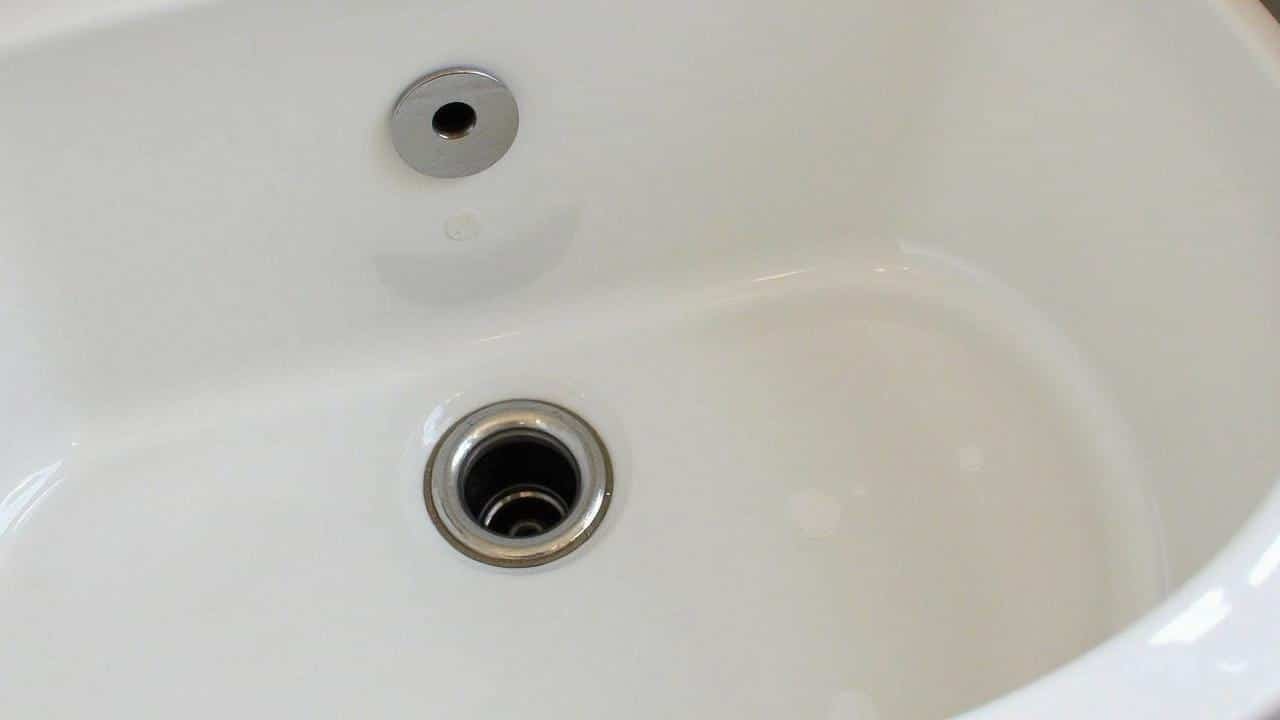
I watched a pro in a family flat where the sink never fully reeked, but the smell pulsed after showers. She clipped back her hair, fished a rope of grey fluff from the stopper, and laughed like she’d met an old foe. The smell shifted from sharp to musty in seconds. She pointed to the overflow slot — that little slit under the rim of many sinks — and said most people forget it exists. A quick blast of hot water and a brush changed the whole room’s mood. Even the baby stopped wrinkling his nose.

The logic is painfully ordinary. Your P-trap — the U-shaped bend — holds water that blocks sewer gas from drifting up. When a bathroom is lightly used, that water can evaporate and the seal drops. Then stink gets a free pass. Even with a healthy seal, slime lining the pipes turns parts of the drain into tiny swamps. Water flow alone doesn’t scrub biofilm; it glides right over it. When the balance tips toward gunk, smell wins the fight, especially after a hot shower that warms the pipe and releases more odor.
The 90-second reset cleaners swear by
Start with heat and friction. Run hot tap water for 30 seconds to warm the pipe, then plug the drain and fill the basin a third full. Squeeze in a short line of dish soap. Pull the plug and let that warm, soapy weight flush the trap in one go. Pop out the stopper and wipe it with a cloth. A quick swirl of a bottle brush around the first few inches of the drain breaks the film’s grip. Finish with another 20 seconds of hot water. Simple, fast, repeatable.
For showers and tubs, lift the cover plate if it’s loose and remove visible hair. Sprinkle half a cup of baking soda into the drain, then pour a cup of warm white vinegar and let it foam for 10 minutes. Follow with hot water, not boiling. Boiling water can soften some plastic fittings, and you don’t need it. If the bathroom goes unused for weeks, pour a cup of water into the drain to refill the trap. Add a teaspoon of mineral oil as a slow-evaporation lid. Let’s be honest: nobody really does that every day.
People slip up in the same spots, and cleaners see it daily. They scrub the sink but ignore the overflow. They blast bleach after vinegar (never mix those), or they perfume the room without clearing the muck. Be gentle with metal tools, too. Scoring the drain wall gives biofilm a better foothold. One cleaner taught me a trick with a zip tie: cut tiny notches along one side and use it like a soft, flexible comb. The goal isn’t to nuke the drain — it’s to break the film, flush the trap, and keep a water seal.
“If I can smell eggs, I look for a dry trap. If I smell gym socks, I think biofilm. Fix the water seal first, then clean what the eye can’t see,” says Rina, a cleaner who swears by hot water, dish soap, and a brush.
- Flush the trap: hot tap water + basin dump
- Dislodge biofilm: bottle brush or notched zip tie
- Don’t forget the overflow channel
- Use enzyme cleaner monthly if odors return
- Never mix bleach with acids (like vinegar)
When the smell means something else — and how to future-proof
Sometimes the stink points beyond housekeeping. If every drain in the bathroom smells at once, check frequency of use first, then think venting issues. A blocked vent stack can slow drainage and pull water from traps, inviting gas back up. If the smell gets worse after big temperature swings, it might be condensation feeding mold under the sink or behind the panel. You only notice it when you slow down, toothbrush in hand, wondering why the room feels off.
Future-proofing is repetitive, not heroic. Run hot water in every bathroom drain once a week. Clean the stopper monthly, because hair carries oils that glue the film. If you love a weekly deep clean, rotate an enzyme drain cleaner through your fixtures — they digest the gunk instead of masking it. If the smell lingers after a thorough reset and you hear gurgling, call a plumber to check the P-trap, seals, and venting. **A healthy drain doesn’t sing, and it never steals the room’s air.**
We’ve all had that moment when guests are due in ten minutes and the bathroom smells older than the house. It’s not a moral failing. It’s a tiny system that needs a nudge. The fastest move is heat, volume, and a brush; the longer play is making it routine enough to disappear from your mind. Rina told me she times it with the kettle, even if she’s not making tea. Her hands work while the water warms, and the bathroom breathes better for days.
| Point clé | Détail | Intérêt pour le lecteur |
|---|---|---|
| Dry P-trap | Evaporation breaks the water seal, letting sewer gas rise | Explains sudden smells in rarely used bathrooms |
| Biofilm buildup | Soap, oils, and debris host bacteria that emit sulfur compounds | Targets the actual source, not just the symptoms |
| Simple reset | Hot-water flush, dish soap, brush, overflow clean | Fast fix you can do in under two minutes |
FAQ :
- Why does my drain smell like rotten eggs?That sulfur note often comes from anaerobic bacteria in biofilm or from sewer gas slipping past a dry P-trap. Refill the trap with water first, then clean the film.
- Is it safe to pour boiling water down the drain?Use very hot tap water instead. Boiling water can soften some PVC and damage seals, and it’s not necessary to clear routine biofilm.
- Can I use bleach to kill the smell?Bleach can disinfect, but never mix it with vinegar or acids. For routine odors, a hot-water flush, mild detergent, and a brush are kinder and effective. Enzyme cleaners are a good monthly option.
- What about the sink’s overflow?The overflow can harbor slime. Funnel warm water with a little dish soap into it, agitate with a brush or notched zip tie, then flush hot water. It’s the forgotten odor pocket.
- How do I keep smells from coming back?Weekly hot-water runs, monthly stopper cleaning, and an occasional enzyme cycle. If odors persist or you hear gurgling, have a pro check traps and venting.